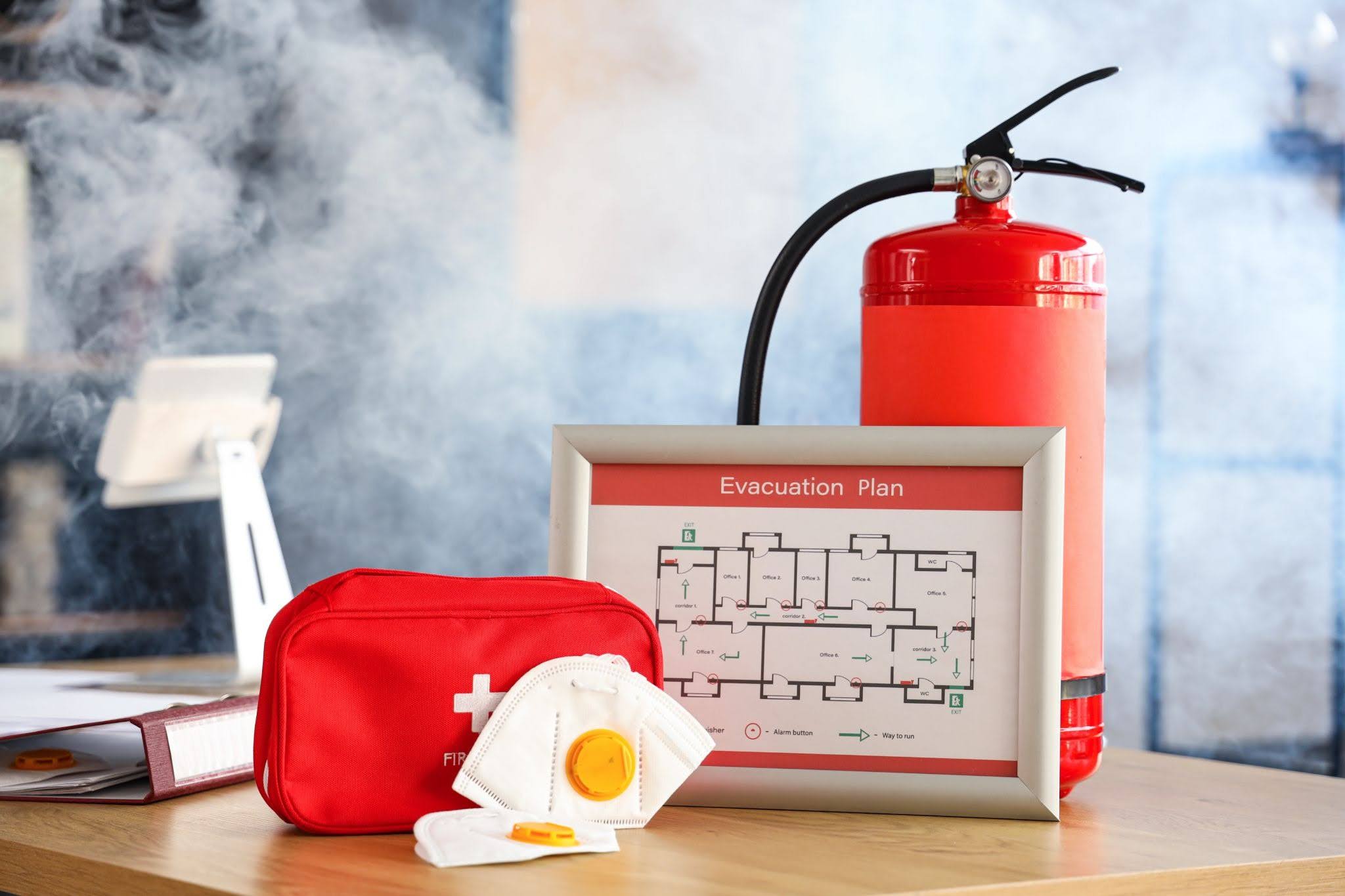
Fire evacuation plans can sometimes feel like compliance paperwork you cross of until they’re needed. Procedures may exist, but are they actually how occupants navigate through your building? How long do occupants realistically have to make decisions? How will your systems perform when you need them to? It’s the gaps between plans and procedures vs reality that risk is created. It's common to only consider what essential safety measures are needed once an audit, drill, or incident investigation brings them into sharp focus.
If you oversee a building, a facility, or strata, you understand how tricky it is to keep your evacuation plan current, effective, and ready for action. How do you know your evacuation procedures align with the configuration of your building and its occupants? What about your fire safety systems and installation procedures that meet occupant expectations and Australian Standards?
At Alexon, we often find evacuation plans that have not been updated when a building has changed or how it is used. This creates unnecessary risk for your site and can create non-compliance issues. If you have ever sat down and thought about how you would go about developing a fire evacuation plan, knowing what should be included and how to maintain your plan moving forward can be challenging.
We see non-compliant fire evacuation plans all the time. Usually, they have not been reviewed when the building usage has changed or when major renovations have been carried out. This leaves many sites exposed and at risk of non-compliance.
Having and following an effective fire evacuation plan takes time. To ensure you have everything covered we have put together this quick guide to help you know what information goes into a fire evacuation plan, how to create procedures that will be put to the test and what you need to think about when updating your fire evacuation plan.
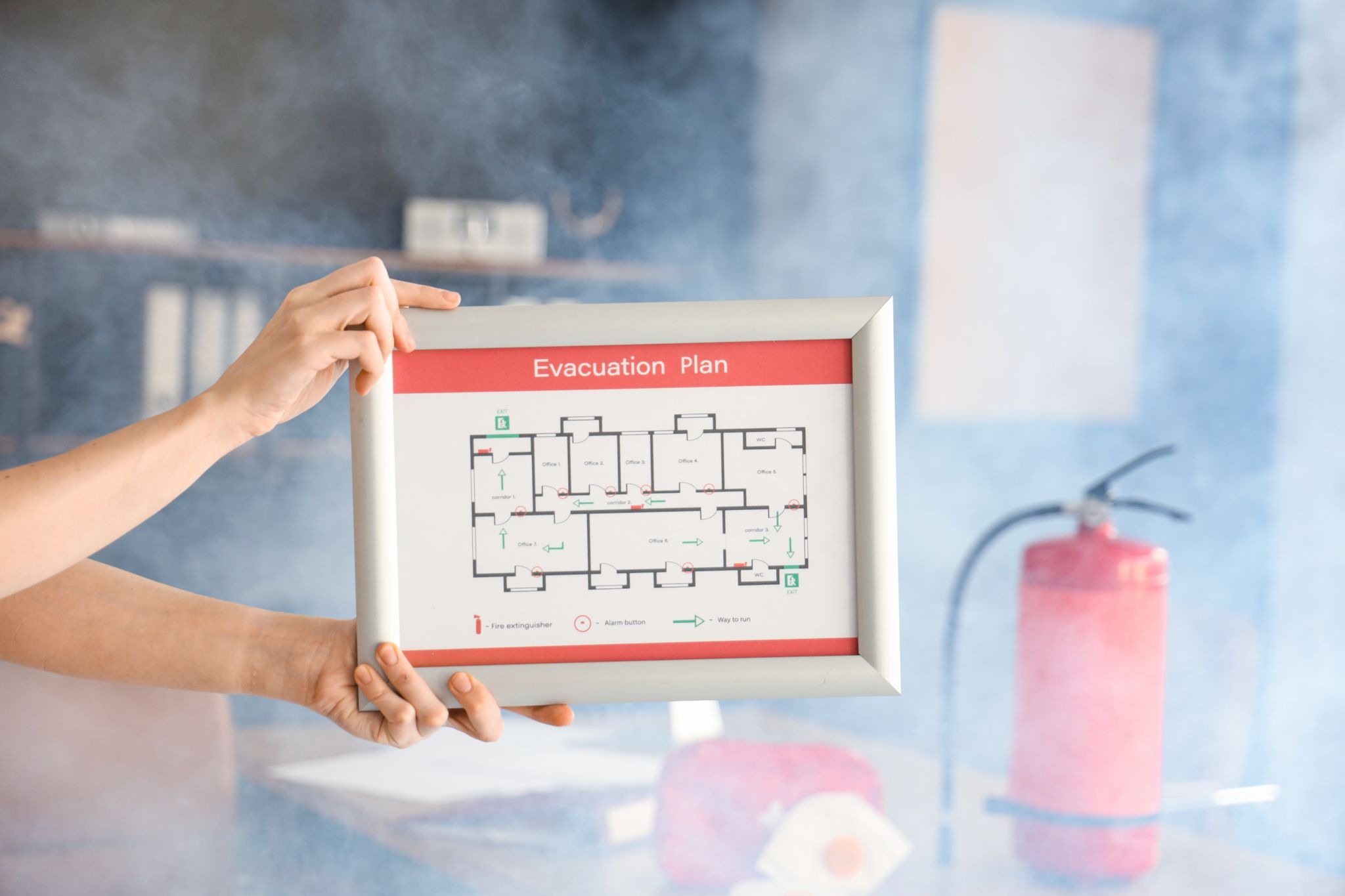
Fire evacuation strategies play an important role in an effective fire safety plan. They set out appropriate responses to emergencies, strategies to evacuate people from the building safely and how to mitigate risks during an emergency event. When executed correctly and understood by building occupants and personnel, evacuation procedures provide confidence and certainty during an otherwise stressful and urgent situation.
However, far too often we see fire evacuation strategies being treated as a box-ticking exercise when it should be considered part of your day-to-day operations. Many businesses put plans in place to meet legislative requirements, but fail to consider how the plan relates to the way people work within their building or how staff manage the building on a daily basis.
The problem with an incorrect or poorly constructed evacuation plan is that people can become confused during an emergency, take longer to evacuate the premises and put themselves and rescue officers at risk. In Australia, we’re not given the option of not having an emergency evacuation plan for most building types. Under AS 3745, the owner, occupier, and facility manager are charged with establishing emergency procedures that address the specific risks found on-site. Whether it's fire or another type of emergency requiring people to leave, a plan is absolutely essential.
It’s not uncommon to find diagrams that don’t match the building's layout, key personnel missing from the fire warden roster, and no thought given to how people will actually move throughout the building during an emergency. These shortcomings tend to become apparent during fire drills, internal reviews, or, unfortunately, when a real emergency occurs. It's about much more than just using a pre-filled template; proper essential safety measure reports need to meet compliance standards and be ready for use.

Australia's go-to standard for emergency planning in buildings is AS 3745. It details requirements for organisations to create and uphold fire evacuation plans and other emergency procedures. AS 3745 is one of several Australian fire safety standards used to measure safety within buildings.
AS 3745 emergency procedure requirements apply to most building facilities including offices, retail buildings, factories, healthcare facilities, schools, kindergartens and apartment buildings that share common facilities. For Owners’ Corporations and building managers who operate within multi-residential buildings, strata fire safety compliance is one way to help understand and satisfy obligations under AS 3745. Meeting the standards in AS 3745 can also be a workplace health and safety obligation, potentially cited in audits, site inspections, or after an incident.
Minimum requirements of AS 3745 include establishing an emergency control organisation (ECO), creating documented emergency procedures and enabling people within the facility to respond correctly to an emergency. This will include providing clear direction during an evacuation and allocating wardens to take responsibility for coordinating evacuees. Communication plans should also be in place to ensure the ECO can coordinate its response.
AS 3745 also requires emergency procedures to be maintained and periodically reviewed. Fire evacuation plans should be revisited to ensure they are up to date and align with the current building layout and occupancy. They should also be practiced using drills to identify areas for improvement. If your building’s layout or use has changed since the last time you updated the plan, it is likely no longer compliant. Similarly, fire protection measures such as fire alarms and hydrants need to be routinely inspected, tested and serviced per maintenance standards such as AS 1851.
In practical terms, if your building is audited and AS 3745 procedures aren’t being followed, you will fall foul of the audit. On a more serious note, should an evacuation occur your corporation may be found liable if things don’t go to plan. At the very least, people may be at risk of not receiving timely instruction or direction during an emergency.
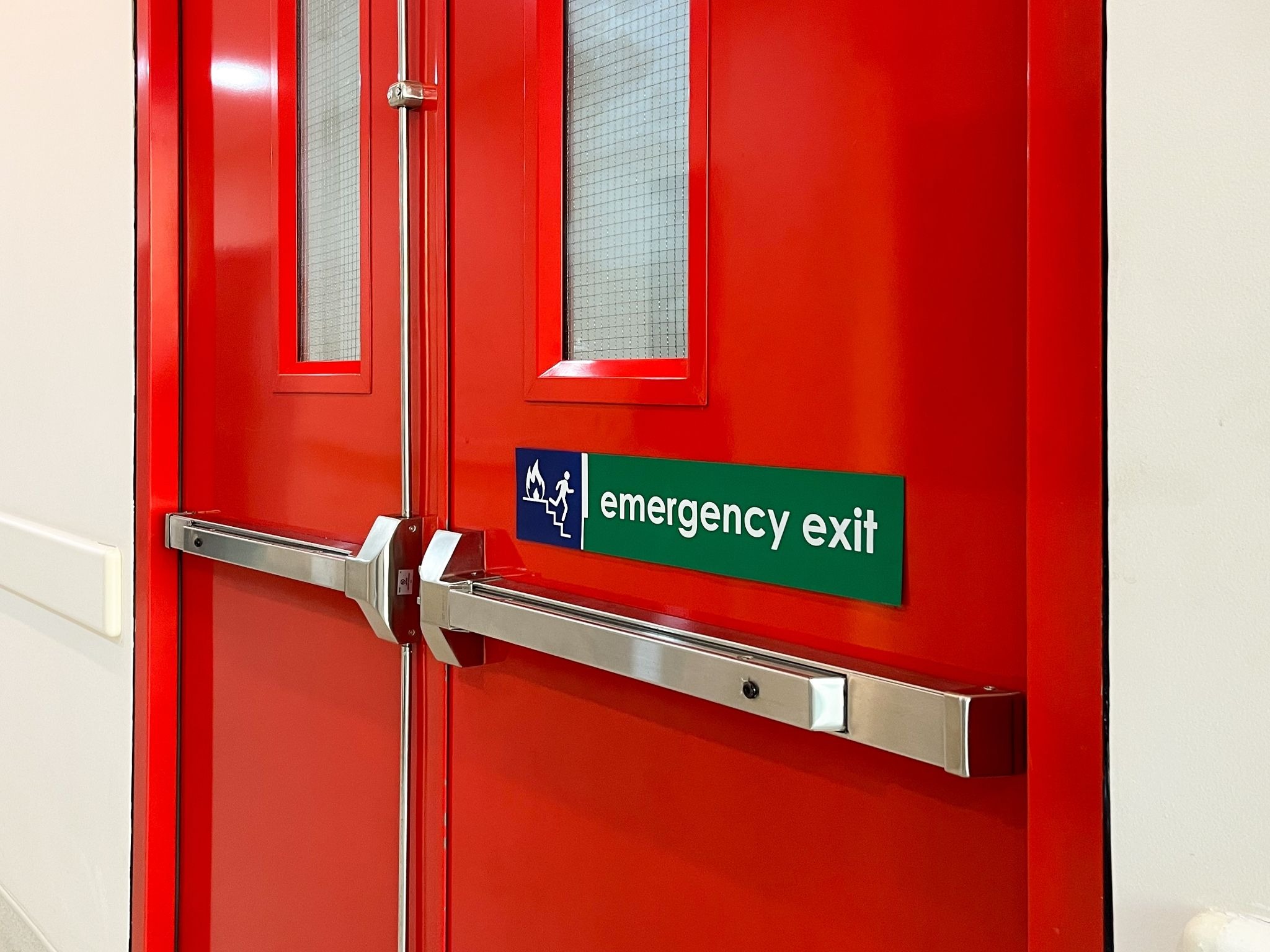
A fire evacuation plan does not exist in isolation. A fire evacuation plan essentially brings together the building's blueprint, how people react, fire safety measures, and assigned duties into a unified, workable process.
This process must include how the building will actually evacuate during an emergency. Not simply how you plan to evacuate on paper to satisfy code requirements. Including notifying occupants, managing traffic flow, who has authority and how fire protection systems, wayfinding, signage and communication systems all work together.
A complete fire evacuation plan, one that satisfies all regulatory standards, is built upon these key parts:
Evacuation procedures describe the expected response to fire or other emergencies. Procedures should be unambiguous, ordered, and appropriate to the hazards and configuration of the building.
Particularly important is the consideration of occupant response before, during and after activation of fire suppression systems. Many evacuation decisions during fire emergencies are contingent on whether suppression systems have limited the fire or if a full evacuation should be initiated. Procedures should outline escalation paths instead of mandating a single response.
Well-designed procedures should identify:
Vague or system-agnostic procedures have been shown to break down during emergencies, especially in high-rise buildings.
The fire evacuation procedure should state the make-up of the Emergency Control Organisation (ECO) and delegate responsibility for coordinating evacuation and directing occupants to respond appropriately.
These duties align with the training and roles required of fire wardens under the Australian Standard AS 3745. This includes requirements around competency, role delegation and maintaining currency. Responsibilities include the knowledge of procedures, as well as the training to exercise good judgment during an emergency.
Roles will usually consist of Chief Warden & Deputy Chief Warden, Floor/Area Wardens, Communications Officers and First Response Team Members (if applicable). In a situation where everyone believes they're in control, nobody truly is. To avoid your evacuation plan turning into disorganised mayhem, everyone must know their role and be trained to perform it.
The success of any evacuation hinges on effective and readily understandable communication strategies. This covers both occupant notification and internal communication between members of the ECO during an emergency.
Fire alarm installation is a key factor here as fire alarms are usually what sets the evacuation procedure in motion. But simply activating the alarm is rarely enough. Your evacuation strategy should consider how the alarm will be interpreted, how instructions will be communicated and how information will be passed between floor areas.
This could cover:
Lack of integration between communication systems and evacuation procedures is one of the most common reasons for slow or confused evacuations, especially in larger or mixed-use buildings.
Your fire plan needs diagrams showing the emergency details of your building, and they're a must-have. Maps should clearly label all exits, evacuation routes, assembly points and location of emergency equipment to comply with Australian Standards fire safety requirements.
It goes without saying that effective diagrams are always paired with comprehensive documentation mirroring the building's current state and use. Consideration should be given to occupancy classification, floor plans and specific site hazards determined in your risk assessment.
Documents often include your written evacuation procedure, ECO details and contact information, site-specific emergency instructions and revision and maintenance records. If your evacuation procedures aren't up-to-date or consistent throughout, it's likely that you'll be found out during an audit.

Floor plans, otherwise known as evacuation diagrams, are one of the required elements of a compliant fire evacuation plan. They visually communicate escape routes, exits and emergency procedures. Their function is solely to assist with evacuations, not to provide general details or look nice.
Fire evacuation plans including floor plans should comply with Australian Standards. To be effective, the diagrams must be updated, correctly depict the structure, and guide people clearly to exits and evacuation routes. They must also clearly mark fire safety equipment locations, stairs, and assembly points.
Evacuation diagrams should be unique to each level of a multi-level building. Providing one diagram to represent an entire multi-storey premises is against Australian Standards. These should be placed in prominent locations that are highly visible and frequently visited. Ideal locations include building entrances, lift lobbies, stairwell landings, and shared common areas.
Examples of poorly placed diagrams include ones that are obscured from view, displayed in poorly lit areas, or in rooms that occupants don't frequently visit. If evacuation plans aren't easily accessible, building occupants won't be familiar with them when an emergency strikes.
Ideally, evacuation diagrams should be monitored and updated any time there is a change to the building's layout, tenancy configuration or emergency escape routes. A common oversight is the failure to revise these safety diagrams when the building's layout changes.
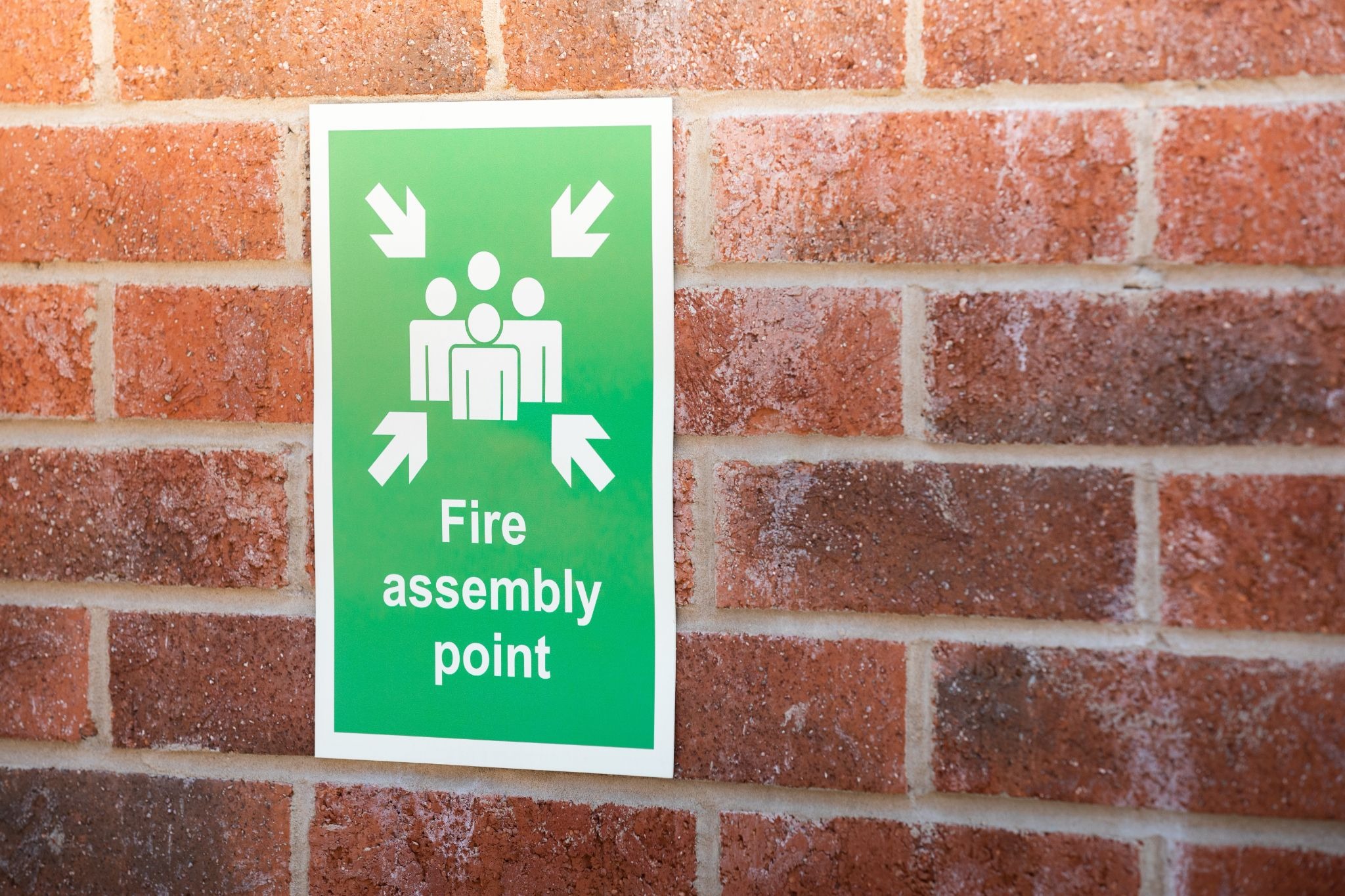
Assembly points outside are also included in fire evacuation plans and should not be chosen randomly. First of all, it must be far enough away from the building so that nobody is in danger. If you choose the first open area next to the building, you might find yourself in the way of fire trucks and other emergency vehicles.
You also want to ensure that people with limited mobility can easily access the assembly area. The assembly point shouldn't expose anyone to outside dangers, such as traffic. If your assembly spot doesn't have enough room for everyone who will use it at once, you may block exits for others.
Just as important, the assembly point shouldn't interfere with fire service access, including access to fire hydrants and other areas they may need to use. Choose your assembly spot carefully and make sure your employees know about it when creating your fire evacuation plan.
Once you have chosen an assembly location, mark it on your fire evacuation map. Include it in fire drills so people know where to go if they have to evacuate. People need to know your assembly location so they know where to report during an evacuation. The assembly point should allow for a complete headcount.
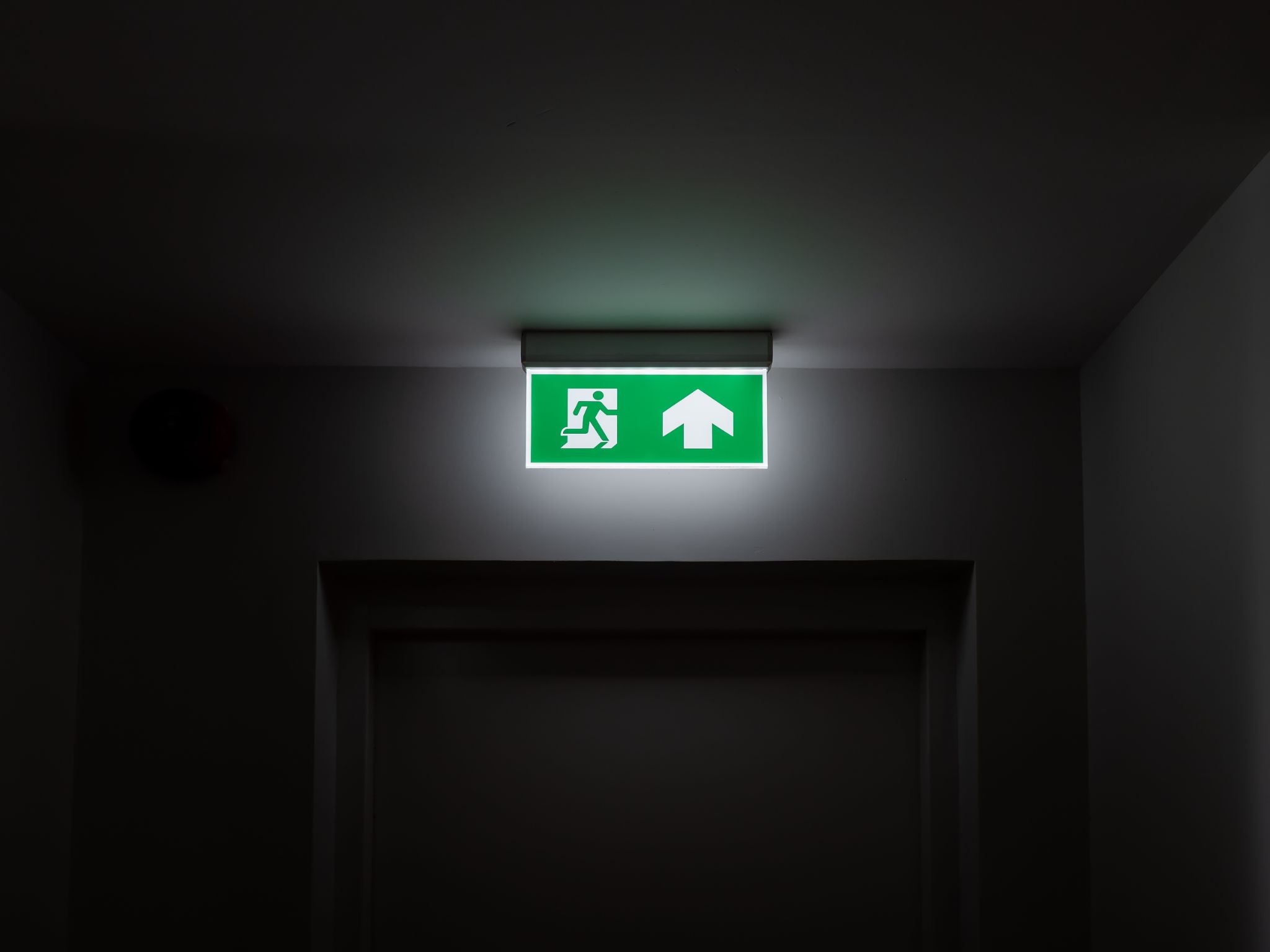
A fire evacuation procedure is the practical implementation of your fire evacuation plan. It describes specifically how your building reacts during an emergency and guarantees that everyone acts in a uniform, organised and compliant way.
Fire evacuation procedures should be built around your building’s design, occupant demographics, fire hazards and fire safety features. Procedures pulled from templates rarely work because they don’t account for people’s movement patterns and interaction with the building itself.
Your procedure should be built in a methodical step-by-step process that takes into consideration Australian requirements and common sense tailored to your specific site.
Before getting into the finer details of what a fire evacuation procedure should include, you must assess the building you’re working in. Fire hazards depend on the nature and use of the building. An office building will have different hazards to an industrial building. Offices will have electricity and general combustibles whereas an industrial may have flammable liquids, chemicals or high-risk manufacturing processes.
You should understand the risks so you know how quickly you need to evacuate the building and whether a staggered evacuation is appropriate, or if the building needs to be evacuated immediately. You should also consider what type of fire extinguishers are within your building. Whilst fire extinguishers are not the only factor you should consider at this stage, they can help to identify what types of fire you could potentially encounter and if you would be able to fight the fire before evacuating the building.
As well as hazards within the building, you should also identify how the layout of the building can affect your evacuation procedure. Factors you should consider include corridor sizes, stairwell locations, dead ends, and subtenancies. You should also take into consideration any areas that may become restricted during an emergency.
The next step involves crafting evacuation routes, taking into account both the known risks and the established layout parameters. These routes will then need to guide occupants safely and efficiently to their exits.
When choosing evacuation routes, it's important to take the shortest safe route to the exit, rather than the shortest distance. This is important to consider in buildings where a room or corridor may become unsafe to travel through in the event of a fire. Whenever feasible, multiple pathways out of the building should be set up.
One constraint of defining your evacuation routes will be ensuring that they meet your emergency lighting requirements. Evacuation route signs will need to be illuminated in the event of a power failure. Ensure exits are well signed with exit lights indicating the direction of travel as well as the location of exits. This is particularly important when routing occupants through smoke-logged corridors or in stairwell enclosures.
Having chosen your evacuation route, make sure it's sensible, considering lighting, signage, and how familiar the occupants are with it. An unclear evacuation route can cause occupants to hesitate or even travel the wrong way during an emergency.
It is important that a fire evacuation plan identifies individuals who have responsibility for the coordination and management of evacuation tasks. Clearly defining roles and responsibilities with the Emergency Control Organisation (ECO) enables effective command and control, allowing for decisions to be made by trained individuals rather than disoriented occupants during an emergency situation.
Wardens have specific responsibilities in communicating messages and maintaining structure within a fire evacuation procedure. Effective communication from wardens ensures that processes are replicated throughout the building. The key responsibilities of wardens should be outlined in your fire evacuation procedure and reflected in fire warden training and requirements.
Assignment of responsibilities should take into account the types of fire safety equipment installed within your building. Distinctions should be made between when and how smoke alarms, communication devices, and fire extinguishers are operated. Coordination between people and systems allows for suppression equipment to be used correctly and evacuation procedure to be carried out in a controlled manner.
Having developed your evacuation procedure you need to set it out in writing and communicate it effectively. This should include the steps within the procedure, roles and responsibilities along with details of evacuation routes, assembly points and contact details for emergencies. The language you use should be clear and concise and free from ambiguity so that everyone can understand it.
Communication doesn't stop there though, you should explain your procedure during induction and training of staff and visitors. Conduct evacuation drills so that everyone knows what to do if the procedure needs to be enacted.
Making sure your procedure is accurately documented is also key when considering compliance. Anytime there is a change to your building's layout or occupancy, fire safety systems or risk factors your evacuation procedure should be updated to reflect this. Many establishments are found not to have their procedures up to date when audited.
Some buildings are simple and intuitive when it comes to evacuating occupants safely. Others however are not, requiring building managers to go above and beyond when developing evacuation plans. Mobility of occupants, heights, density and mixed-use occupancies are all factors that can exacerbate safety concerns.
For this reason, evacuation plans should be designed with controls that take these additional risks into consideration. Planned evacuation procedures should recognise when typical occupant behaviour begins to fail and deploy additional safeguards.
Consideration should also be given to those occupants who are not able to independently make their way to a place of safety. This will include occupants who are mobility impaired or have a disability including people who are deaf or blind and people with medical needs which may mean they will take longer to evacuate the building or unit.
Allowing for people who are mobility impaired isn't just about being aware that they are there. Your plan should specifically assign responsibility for assisting people with disabilities as part of the ECO. Identifying areas of refuge where necessary and making sure your escape routes are suitable for everyone to use including wheelchair users should also be considered.
Phased evacuation or 'defend in place' should also be considered where appropriate based on the architecture and fire protection measures provided within the building. Whatever measures are put in place they should be documented in your plan and members of your team trained to ensure they are carried out effectively.
The presence of mobility-impaired individuals delayed, trapped, or struggling in a crowd often signals a failure to account for their needs in evacuation planning.
Travel distances will be further increased in multistorey and higher occupancy buildings where reliance is placed on stairwells and occupant behaviour may differ due to the need to coordinate movement during simultaneous evacuation with other occupants.
Considerations for multistorey and high-occupancy buildings may include staged evacuation. Staged evacuation considers the planned evacuation of one level or area at a time, rather than all areas at once. This may assist in minimising congestion within stairwells and allow for movement within the building to be more manageable.
Multistorey and high-occupancy considerations may need to be taken into account when formulating your overall fire safety strategy for inner-city buildings. The number of people, along with how many ways in and out there are and what's stored inside, directly influences how far people have to go and how they'll react.
Components such as stairwell width, exit accessibility, multiple tenancies and fire alarm and communication systems should be considered in conjunction with how people will move throughout the building during an emergency. Unlike the building's normal day-to-day use, several factors come into play during an evacuation. If not considered during an evacuation strategy, larger occupancies can cause congestion, slower evacuation and increased exposure to smoke migration.
Complex buildings or buildings with more than one occupancy can create situations where the occupants may not know the building well. We're talking about buildings like those that combine offices, retail, and homes, along with structures that several groups use.
Variations in occupier awareness, operating hours and conflicting flows of movement will need to be considered when developing your evacuation procedure. Consider, for example, a store on the ground level open to customers, while the floors above are accessible only to employees or residents.
Responsibilities must be clearly defined. Each tenancy needs to know exactly how their actions contribute to the broader evacuation process across the entire building. To guarantee a smooth process, collaboration among all tenants and floors is essential.
Signage, evacuation diagrams and communications should be cohesive. If one floor has different signs to another, or a wrongful procedure is in place this could lead to ineffective evacuation or occupants carrying out incorrect actions. An effective evacuation procedure should enable everyone within the premises to react and evacuate to a suitable assembly point.
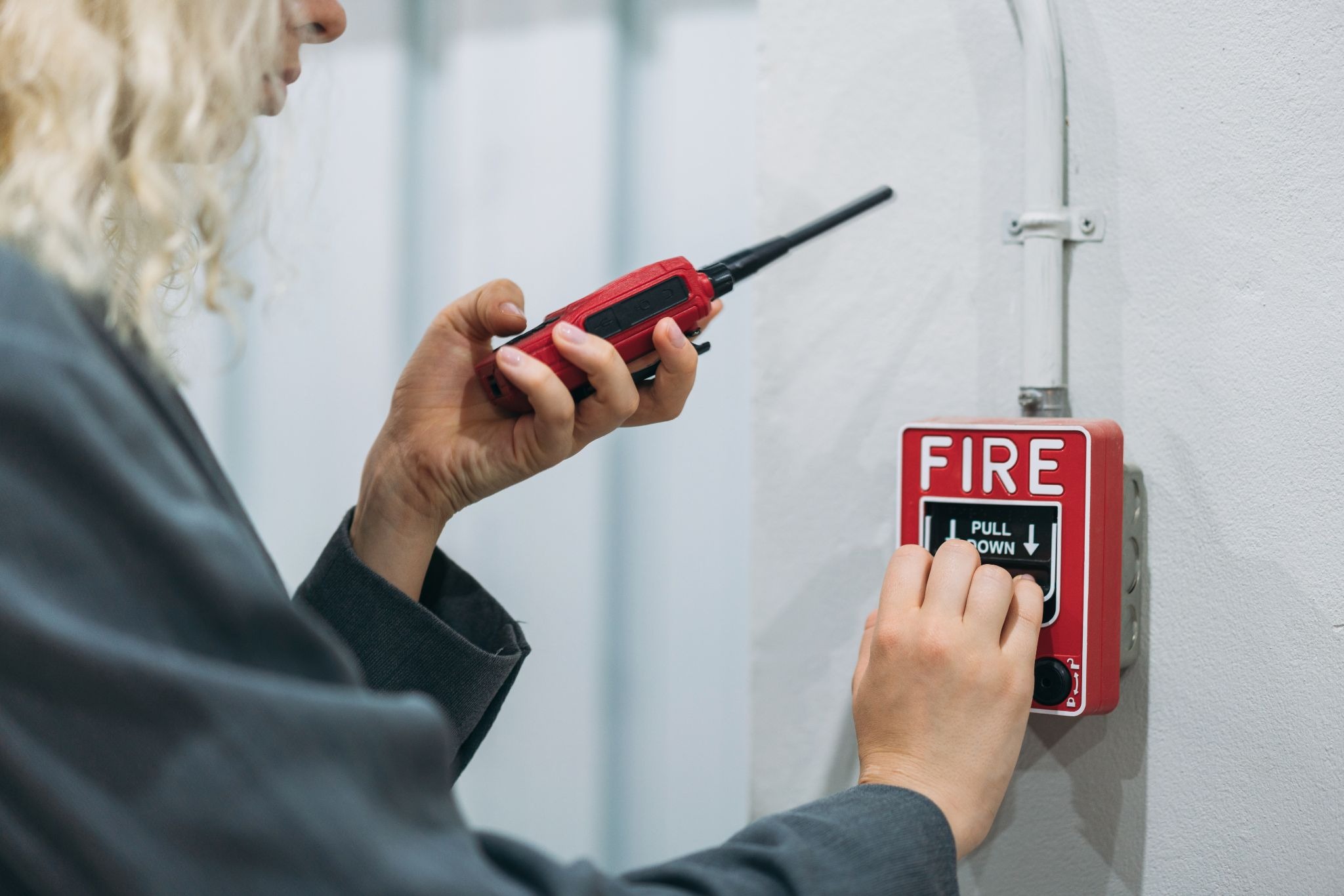
In an emergency it's action that counts. The fire evacuation plan will have identified responsibilities but it's during the incident that your fire warden's role and responsibilities become critical. Implementing the fire evacuation plan by guiding occupants, controlling movement and maintaining communications are the responsibilities of fire wardens.
Fire wardens need the ability to quickly analyse the developing situation instead of relying on preset instructions. Confirming the alarm activation, identifying the area affected and making the decision to evacuate as per the fire evacuation plan or adapting the plan to suit the situation are all responsibilities that may fall under the remit of the fire warden. Familiarisation with systems such as the fire indicator panel will assist in making these decisions by providing information on alarm zone activated, detectors activated and the likely area of fire.
Communicating with others is another key responsibility. Whether that's giving instructions to building occupants, coordinating the response with fellow members of the Emergency Control Organisation or reporting information to emergency services if necessary. All of these responsibilities may be required at various times during an emergency when there's little visibility and standard means of communication may not be available.
Finally fire wardens are accountable for ensuring areas are clear of occupants and generally responsible for checking areas after an evacuation. Reporting any issues such as missing personnel or blocked exit routes are part of the fire wardens' responsibilities and these should be defined well before an evacuation is required.
No fire evacuation plan can be proven effective until realistic fire drill evacuations have been successfully completed. Fire evacuation drills provide valuable practice and an opportunity to assess whether everything works as it should, including whether people know their roles and responsibilities and can perform them correctly under simulated emergency conditions.
Under AS 3745, people should be trained and drill evacuations should take place frequently enough to ensure that everyone is familiar with emergency procedures. The frequency and extent of these drills will be dependent on the complexity of the building, its occupancy and level of fire risk. Drills should never be treated as a mere formality though, with organisations using the opportunity to uncover flaws in their plan or ways in which occupants do not behave as they should.
Effective training involves more than just making sure people are aware of the fire evacuation procedures. Fire wardens and other key personnel should understand their role in the building's Emergency Control Organisation and how they should adapt to changing conditions. This might include teaching wardens what to do if certain exits are inaccessible during an emergency and ensuring they know how to provide additional assistance to people who might need it.
Some of the most common problems discovered during fire evacuation drills include: delayed reaction to alarms and notifications, uncertainty about which exits to use, failure to follow evacuation instructions and poor communication between wardens. Instead of taking disciplinary action against people who make these mistakes, use it as an opportunity to improve your fire evacuation plan (and make a note of it in your record keeping).
Keeping a record of fire drills, training and other problems can help prove that you are complying with fire safety standards.
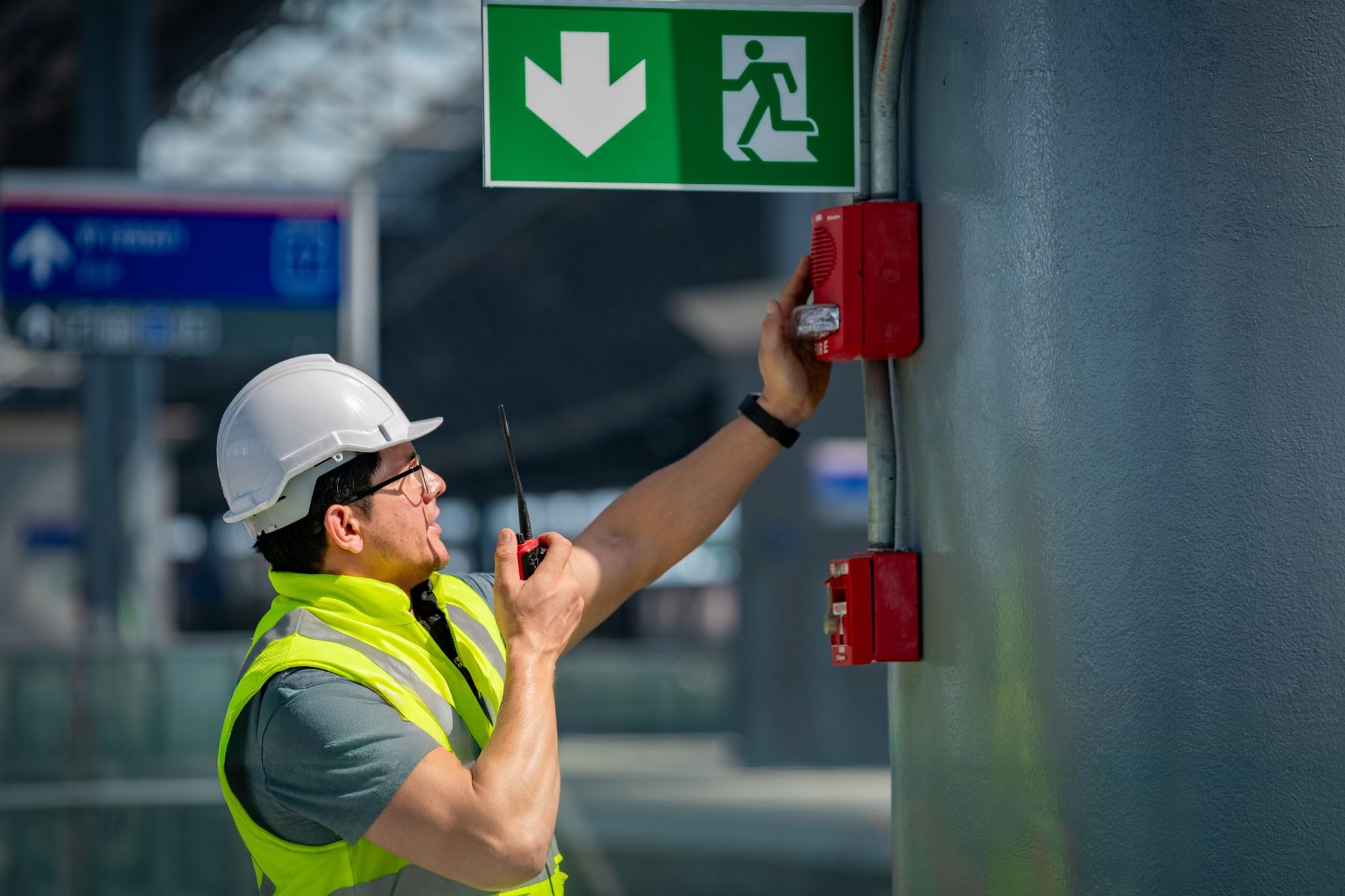
Your fire evacuation plan should be kept up to date with any alterations in your building and its occupants. Your building and its operations will change over time, meaning your plan should change with it.
Reviews shouldn't be conducted on a set timetable. Naturally, scheduled reviews are essential, yet your evacuation plan needs revisions whenever the building's layout, occupancy, processes, equipment, or fire safety systems undergo changes. Any of these changes could impact your evacuation routes, response procedures or risk assessment.
Fire incidents and fire drill reports should trigger a review of your fire evacuation procedure. If weaknesses were identified in your procedures during a fire drill or fire incident, changes should be made to rectify these before another incident occurs.
Keeping your fire evacuation plan up to date will also help you to meet your other legal responsibilities. For example, your evacuation procedure will form part of your Annual Fire Safety Statement. Your fire risk assessment and evacuation procedure should be backed up by accurate records of your fire safety equipment and procedures. If these do not align with your evacuation procedure, this could be picked up when certifying your fire safety record.
Creating a compliant and effective fire evacuation plan takes careful planning, training and most importantly consideration of your building's risks, occupant behaviour and how your fire safety systems work with your evacuation procedures. Your evacuation strategy isn't a one-off deal; you'll need to update it as your building and its risks change over time.
At Alexon, we collaborate with building owners, facility managers, and compliance professionals to develop evacuation plans that are compliant with Australian regulations and designed for effective use in real-world emergencies. Whether it's writing your site-specific evacuation procedures, signing off on your evacuation diagrams and evacuation wardens or helping implement and maintain procedures that work alongside your fire safety systems.
We can also help with maintaining your evacuation plan through regular reviews, audits, updates to accommodate changes to your building or how it is occupied and providing assistance should your plan be requested for an audit or compliance assessment. Ensuring your plan is up to date, documented correctly and ready to be executed.
Contact us today to find out how we can help you develop or improve on your current evacuation procedures.
Complete the form to request a call
from a friendly Alexon team member.


