


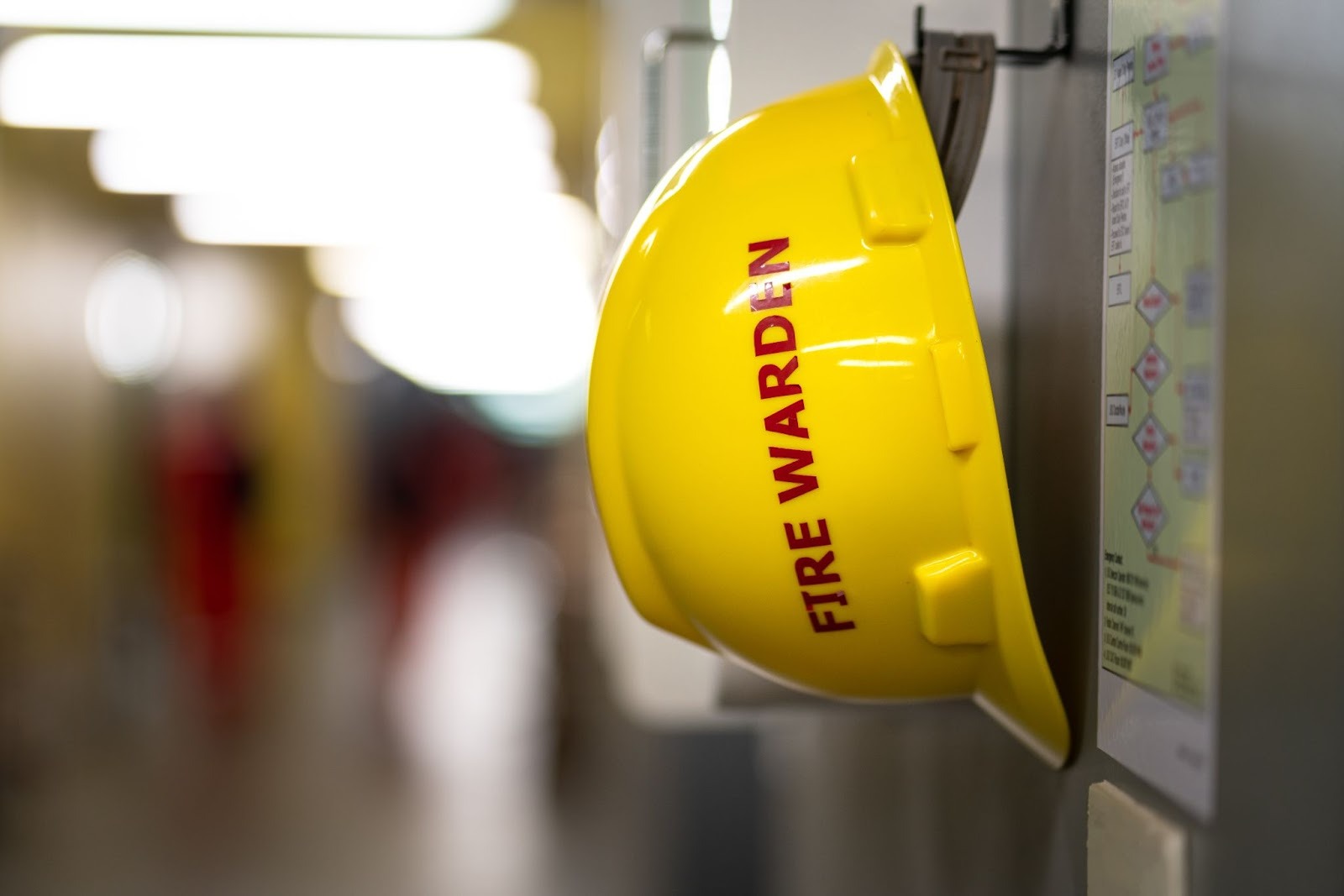
Fire safety in Australian workplaces is more than just installing smoke alarms and extinguishers — it relies on people who know what to do when an emergency arises. Fire wardens are at the centre of this system, responsible for ensuring occupants are alerted, evacuations are coordinated, and hazards are managed until professional responders arrive. Their role is critical in reducing risk to life and property.
Employing fire wardens can greatly minimise risk to life and property within your business. But what duties do they have? And what information should they know?
Fire wardens are a critical component of every business’s safety plan. To ensure you know exactly what they do and are keeping people safe, we’ve compiled everything you need to know about fire wardens. From their role and responsibilities to the things they should know when an evacuation occurs.
Keep reading for everything you need to know about the role of a Fire Warden.

Fire warden training provides nominated staff members of a workplace with the necessary skills and knowledge to perform their fire safety duties. Australian fire warden training teaches your staff what to do in the case of a fire, following Australian Fire Safety Standards. Appointing a fire warden simply means the person’s name is on a list. It does not mean they are able to confidently and safely perform their duties should the occasion ever arise.
Responsibilities of fire wardens include life safety, minimising panic and risk to property and business downtime. Fire wardens are trained to know how to identify a fire hazard early and take appropriate action. Additionally they are trained to operate different types of fire safety equipment, work with other fire wardens and emergency services personnel, and effectively communicate with often panicked people in the building.
Compliance with WorkSafe office health and safety regulations, fire safety orders and other essential safety procedures is made easy when your staff are trained in fire warden duties. Training helps ensure fire wardens know their roles and responsibilities should a fire occur. Building owners can rest easy knowing their fire wardens know how to help keep their building safe.

Employers and persons conducting business or undertaking (PCBUs) must ensure, so far as reasonably practicable, the health and safety of workers and other people who may be affected by their work activities. This includes having proper fire safety measures in place and designating people to assist with fire management.
When it comes to fire wardens, not every workplace is required to have them. The makeup of your workforce, number of occupants and level of fire risk all determine whether you need fire wardens.
Below are some common examples of where you’ll need fire wardens.
Office buildings, factories, warehouses and work centres should perform a fire risk assessment to understand how many fire wardens are required to keep workers safe. As a minimum, employers should have clearly documented a fire safety plan which identifies suitable staff members who have been trained and can rotate through fire warden roles during each shift.
Shopping centres, office blocks, mixed occupancies and retail facilities should have an adequate number of fire wardens based on floor space, visitor occupancy and the complexity of the evacuation strategy. Fire wardens work by leading people to emergency exits while communicating with the management control desk and aiding firefighters.
Large-scale facilities such as stadiums, theatres, hospitals, universities and schools require a significant number of trained fire wardens. They should be appointed so that all people can be evacuated safely, exit doorways aren’t blocked, emergency lights adhere to standards and essential safety measures can be maintained. Fire wardens must be aware of maximum capacity limits, multiple exits and adherence to building standards.
Workplaces that have a high fire load or face specific fire hazards also require fire wardens. Fire wardens need to be aware of fire risks, extinguishing systems and emergency procedures that are specific to the workplace.
Some examples include commercial kitchens, laboratories and factories. People appointed as fire wardens in these environments will need specific knowledge of fire safety arrangements such as fire risks, sprinkler systems and evacuation procedures.
In line with the guidelines set out by AS3745 – Planning for Emergencies in Facilities, Australian organisations establish a ranking system for their fire wardens. These clearly defined roles are integral to a cohesive and effective emergency response across your facility.
Chief Wardens take control of the emergency response efforts and determine the best course of action based on the incident. They can override directions given by any subordinate wardens and have the authority to clear or evacuate an area. The Chief Warden will also communicate with fire/emergency services and offer their expert advice on the situation within the facility.
A Deputy Chief Warden acts as a direct support to the Chief Warden should they become unavailable.
Area/Floor Wardens take control of a designated area within the facility. They complete sweeps of their area to confirm all occupants have evacuated, and no one has been left behind. Floor wardens assist occupants to assembly points and help those who may require additional assistance with mobility. They will communicate with the Chief Warden to confirm their area has been secured and is clear.
Communications Officers are tasked with ensuring accurate and reliable communications are provided to all occupants. They will liaise with all other wardens to keep them updated on the situation, communicate with fire/emergency services and ensure PA systems, emergency notifications and any other alert methods are activated and informing occupants clearly of evacuation instructions.
Fire wardens play a central role in ensuring workplace safety, and their duties span before, during, and after an emergency. Their responsibilities are designed to maintain procedural discipline, safeguard occupants, and provide accountability to regulators and emergency services.
Fire wardens ensure they know their building's fire risk assessment along with evacuation procedures, assembly points and emergency systems before an emergency happens. Activities involved may include inspecting fire doors, emergency exit lighting, fire alarms on the job floor and fire suppression systems as well as attending drills. Communicating risks they are aware of to management, fire wardens ensure evacuation equipment is available, accessible and compliant.
Fire wardens assume control of the floor or designated area they are placed in charge of during an emergency. Assisting with evacuation and guiding occupants out of the building. Checking that any occupants that need additional assistance during an evacuation (fire risks or mobility) receive help and checking fire alarms and fire suppression activation.
They also confirm that two-way communications are functioning and report any updates to the Chief Warden or emergency services. By staying calm and orderly, fire wardens can reduce panic and evacuation times while maintaining a bird's eye view of fire response protocol.
Confirming that all personnel are at the assembly point(s) and reporting back any hazards, injuries and protocol not followed to management. Filing official reports of the evacuation. This includes when the fire alarm was pulled and went off, what actions were done, and any notes for compliance.
Reports filed by fire wardens can be used to fulfill the company's critical safety measures and meet audit requirements. Fire drills, procedures, and training can then be improved to accommodate any changes.
AS3745 sets the standard for building and facilities emergency planning. It outlines how organisations should establish their Emergency Control Organisation (ECO), how emergency services are notified, and responsible persons nominated to undertake the roles and responsibilities required to effectively manage an emergency in accordance with their obligations under workplace laws.
Using AS3745 as the basis for your emergency plan will allow you to confirm life safety and compliance during all phases of emergency planning, including response and review activities.
This Australian Standard outlines how to develop an emergency plan that is fit-for-purpose, scalable depending on the size and complexity of your workplace and ensures compliance with all national and state-based work health & safety laws when dealing with emergencies. These can include fires, chemical spills or even natural disaster events.
AS3745 can be used for workplaces and office buildings of all sizes, high occupancy facilities, workplaces that meet the definition of a ‘large workplace’ and any workplace that presents a unique risk to workers should an emergency occur. It details the necessary processes for planning, training, implementing procedures and conducting reviews to ensure your plan remains fit-for-purpose.
Emergency Control Organisation (ECO) is a term used in AS3745 that outlines who has control during an emergency, defines their roles and responsibilities and confirms that trained personnel are identified to cover all shifts for the life of the building or facility.
An example ECO structure would identify your Chief Warden, Deputy Wardens, Area Wardens and Communications Officers, along with specific duties/tasks each of these roles would perform during an emergency. This could include search, rescue, evacuation lift coordination, communication with emergency services, public announcements and many others.
Defining your ECO gives everyone involved in the emergency management of the workplace clarity of their roles and who is in control at all times. This is especially helpful when your workplace covers a large area or there are many workers who would need to be coordinated during an emergency.
Fire Warden training is an important aspect of AS3745 and your emergency plan. It ensures your nominated fire wardens and ECO members maintain the skills and knowledge needed to correctly perform their duties during an emergency. Training should occur yearly and include fire warden training courses, emergency evacuation drills, and fire wardens familiarising themselves with fire alarms in the workplace, emergency lighting and your workplace's fire extinguishing systems.
Ensuring you conduct emergency response exercises will also help with preparedness and allow you to test how your team works together under pressure when communication may be impaired during an actual emergency.
By following AS3745 you will need to document your emergency plan, record training conducted, drills that have taken place and regular reviews of the plan. You should also complete a hazard identification and risk assessment (HIRA) to identify emergency-specific hazards within your building or facility.
All these documents should be retained for a set period of time to allow auditors and Work Health & Safety inspectors to review them. Your emergency plan should be reviewed every year to identify any changes to the physical workplace, number of workers on site at any one time or changes to the operational risk within your workplace.
Fire warden training involves providing individuals who have been given the responsibility for fire safety and responding to a fire with adequate training to perform their duties. The training ensures that Fire wardens are aware of their responsibilities under AS3745 – Planning for Emergencies in Facilities. The responsibilities of a fire warden are similar for all facilities, however they are applied differently based on the facility type and occupancies and the risk present.
Outlined below is a table covering the different training aspects for each type of facility.
What you can see from the table above is that although all wardens are trained with the same skills, their job descriptions are tailored around their buildings' particular hazards and escape routes. Office wardens have plenty of people to move quickly over several floors whilst communicating clearly. Warehouse wardens may have other obstacles to consider such as storage including chemicals or forklifts.
Healthcare & Aged care wardens will focus on patients and those requiring additional assistance with mobility. Schools will have large numbers of children to keep calm and move efficiently. As for high-rise buildings and mixed-use buildings you will have added challenges such as evacuation from higher levels, wardens on different sides/zones of the building and ensuring your emergency fire equipment is maintained and operates correctly on all levels.
When used in conjunction with the operational process outlined in AS3745, your fire wardens will feel confident to perform their role anywhere.
Fire warden training doesn't end once you've completed your initial training. In fact, refresher courses are needed to maintain competency and ensure your staff are up-to-date on their fire safety duties and responsibilities under Australian standards. While training will give staff the skills needed to effectively deal with an emergency situation should one occur, without regular practise these skills will become dormant and likely not as effective if another emergency were to occur.
Refresher courses are usually conducted yearly or as required by your company policies or as recommended by your advisor or enforcing regulator. If you work in a busy building with high occupancies and layouts that change frequently, you may need to hold regular sessions to remind wardens of correct procedures and conduct emergency evacuations. This also allows the opportunity to demonstrate new fire safety equipment installed recently or address concerns from the last fire drill or real emergency.
Should the layout of your building change or a lot of new staff come through your doors who will be affected by a fire it may be necessary to run your wardens through another training session so they are up-to-date on all fire escape routes and know where all equipment is located. If you have experienced an actual fire or false alarm, it may be beneficial to retrain your wardens on what happened so they know what went right and what can be improved for next time.
You can use these incidents as reporting notes to go into your workplace's AFSS or AESMR as verification that your staff are up-skilled and all mitigation measures are regularly reviewed.
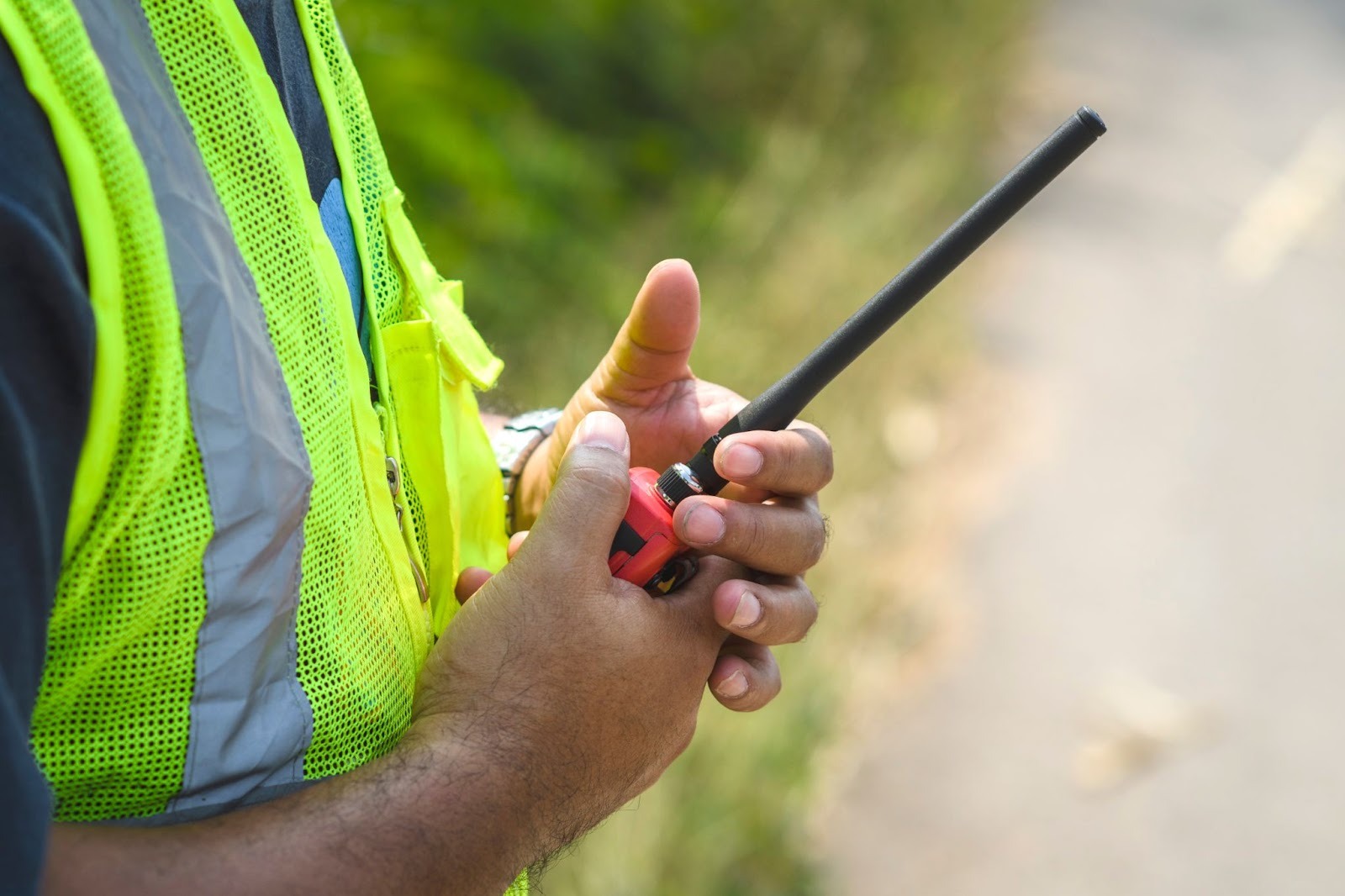
Fire wardens must have suitable high-visibility identification and equipment to quickly and confidently carry out their responsibilities in an emergency. It is important that building occupants can easily identify who is taking control of the situation in an emergency and Emergency Services arriving at the scene can easily identify people who have knowledge of the building.
Fire wardens should wear helmets, caps, high visibility vests or other high visibility identifiers to clearly stand out from other occupants of the building when directing people to exit the building. Having visible identifiers will help ensure there is no doubt about who has authority in an emergency situation and allow wardens to effectively communicate with building occupants during an evacuation.
This is especially important in situations where there are large crowds or poor visibility due to smoke or a power outage. High-visibility identifiers should be stored at control points so they are easy to access in an emergency.
Two-way radios and other forms of approved communication equipment should be used by wardens to communicate with the Chief Warden, coordinate evacuation of multiple zones and communicate accurate information about potential hazards, missing occupants or fire alarms and fire hydrants. In larger or more complex buildings, it is important that communication can take place to ensure decisions are fact-based and not assumptions.
Floor warden instruction cards should be provided to each warden with key duties and responsibilities listed for their specific role. Having a card with instructions will help wardens remember what to do if an emergency were to occur. The card should list specific actions the warden should take when an emergency occurs, who they should report to and what areas they are responsible for evacuating.
Control points and appropriate signage should be visible and accessible to allow fire wardens to effectively manage an emergency. Control points allow wardens and emergency services to have a central location to manage the emergency and ensure signage is up to compliance will allow occupants to quickly find the exit, fire equipment and locate floor wardens.
Fire warden failures are rarely intentional. They occur when processes for appointing, training, reviewing and replacing fire wardens are either incomplete or poorly managed. They only become apparent when a regulatory audit takes place, during an Emergency Services Inspector’s visit or worse, after the event has occurred.
Fire warden compliance is more than just a one-day training session followed by paperwork completion. Procedures should be reviewed on a regular basis to ensure they are up to date and effective. Provide continuous governance and accountability for fire wardens. Be prepared to defend your processes should they ever be called into question.
Employing inexperienced or poorly trained fire wardens can have serious repercussions should an incident occur.
During an emergency, fire wardens who are unable to lead others to safety can put occupants at risk. This may occur by failing to adequately evacuate people, providing unclear instructions or directions and not recognising when it is no longer safe to remain or assist others. In times of crisis, any lack of clarity or decisiveness can have serious implications for life safety.
Organisations can also expect to face penalties from Work Health and Safety regulators if fire wardens are not competent. Regulators will consider not only if fire wardens have been appointed, but also if they can prove their fire wardens are trained and equipped to do their jobs. This may lead to enforcement activity such as improvement notices, fines or formal investigations if incidents occur or are reported as ‘near misses’.
Should an incident occur, poorly trained fire wardens can also impact on your organisation’s insurance claim. Insurers may review how effectively an emergency was managed when determining the validity of a claim. This may impact on claims made for injury, property damage or loss of business following an incident. If your fire wardens have not been adequately trained, you may find yourself battling with your insurer while your organisation is vulnerable.
Poor fire warden training can also leave your organisation open to operational risks. Incomplete or poorly executed evacuations can lead to longer downtime should an incident occur. This may occur while remaining occupants are located, while the issue is investigated or rectified and before the building is declared safe to reoccupy. The longer your systems are down, the more your productivity, revenue and staff morale may be impacted.
Finally, poor fire warden training can negatively impact your brand and reputation. Emergency situations are high-pressure and attract scrutiny from both inside and outside of your organisation. Taking the necessary steps to ensure fire wardens are trained and procedures are accessible demonstrates your commitment to providing a safe and healthy workplace.
Fire warden arrangements must consist of more than training to be effective. Site-specific planning, detailed and accurate record keeping as well as installed fire safety systems that operate dependably when it matters are all crucial elements. At Alexon, we help ensure that fire warden frameworks are suited to the practical and legislative requirements of AS3745, with emergency roles, processes, and responsibilities supported by your fire safety plan.
We help businesses provide knowledgeable, site-specific guidance when it comes to fire safety, enabling fire wardens to operate confidently and correctly within their workplace. Evacuation protocols, emergency control structures and safety-critical measures are all assessed to ensure they align with the building design, occupancy risk, and operational practices. When fire wardens are required, we make sure their roles are upheld by systems and records you can defend.
Additionally, our team provides expert services for safety-critical items such as installation of fire extinguishers, maintenance of fire alarms, and smoke alarm testing. Dependable technology and compliant systems are key to ensuring your fire wardens can carry out their roles correctly, allowing for the clear activation of alarms, safe evacuation of occupants and properly coordinated response from emergency services.
Not only that, we can assist with compliant record-keeping should you need an audit trail, including ESM reports and ongoing record-keeping. Paired with refreshers scheduling and regular reviews, your fire warden arrangements will stay up to date and compliant for years to come.
Give us a call today for comprehensive advice on how you can improve your fire warden compliance and overall fire safety responsibilities.
Complete the form to request a call
from a friendly Alexon team member.


