.png)
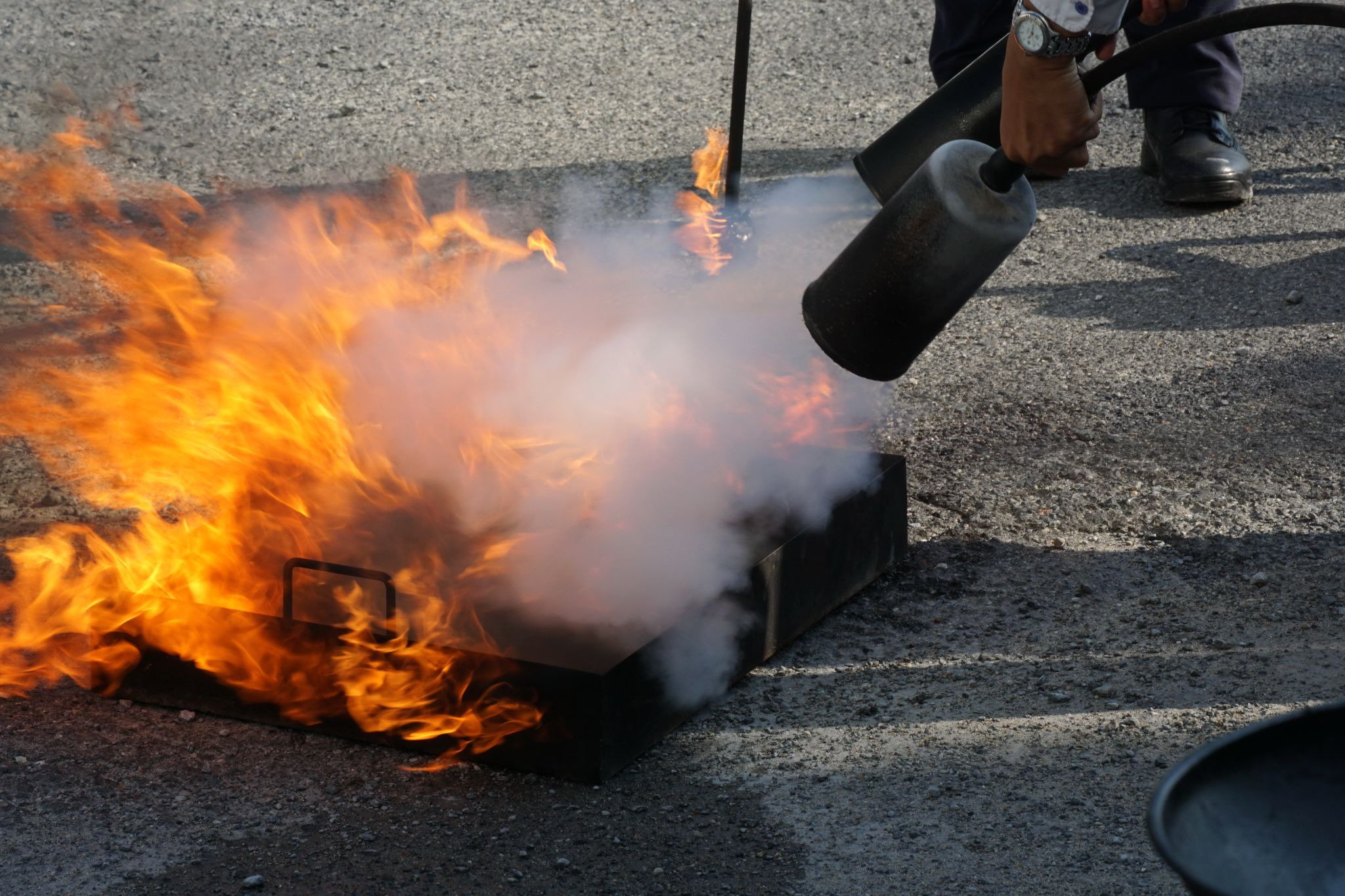
Server rooms, workshops and commercial facilities can be especially vulnerable to fire damage because fires can spread rapidly when they involve electrical components. In most cases injuries occur not due to a lack of extinguishers, but due to a delay in response or the use of incorrect fire extinguishers. This can lead to costly damage to equipment, lost productivity due to downtime and unnecessary safety hazards. Avoiding these problems can create a lot of pressure for facilities managers and IT teams who want to ensure they have the right response equipment installed well before an incident occurs.
There are a variety of different extinguishers and response equipment on the market that can’t necessarily be used interchangeably. Carbon dioxide fire extinguishers, dry chemical extinguishers, and other suppression tools all operate differently after activation, so using the wrong type in an electrical fire or around high-value equipment can often do more harm than good. Here at Alexon, we often encounter misconceptions about where CO2 extinguishers should and should not be used, particularly in rooms where there is a risk of both electrical fire and ordinary fires.
Fire protection should begin with proper specification and installation, ensuring that every extinguisher is suitable for the hazards present on your site and located according to Australian Standards.
In this guide, we’ll cover what CO2 fire extinguishers are, how they operate, where they should be used, and their advantages and disadvantages.
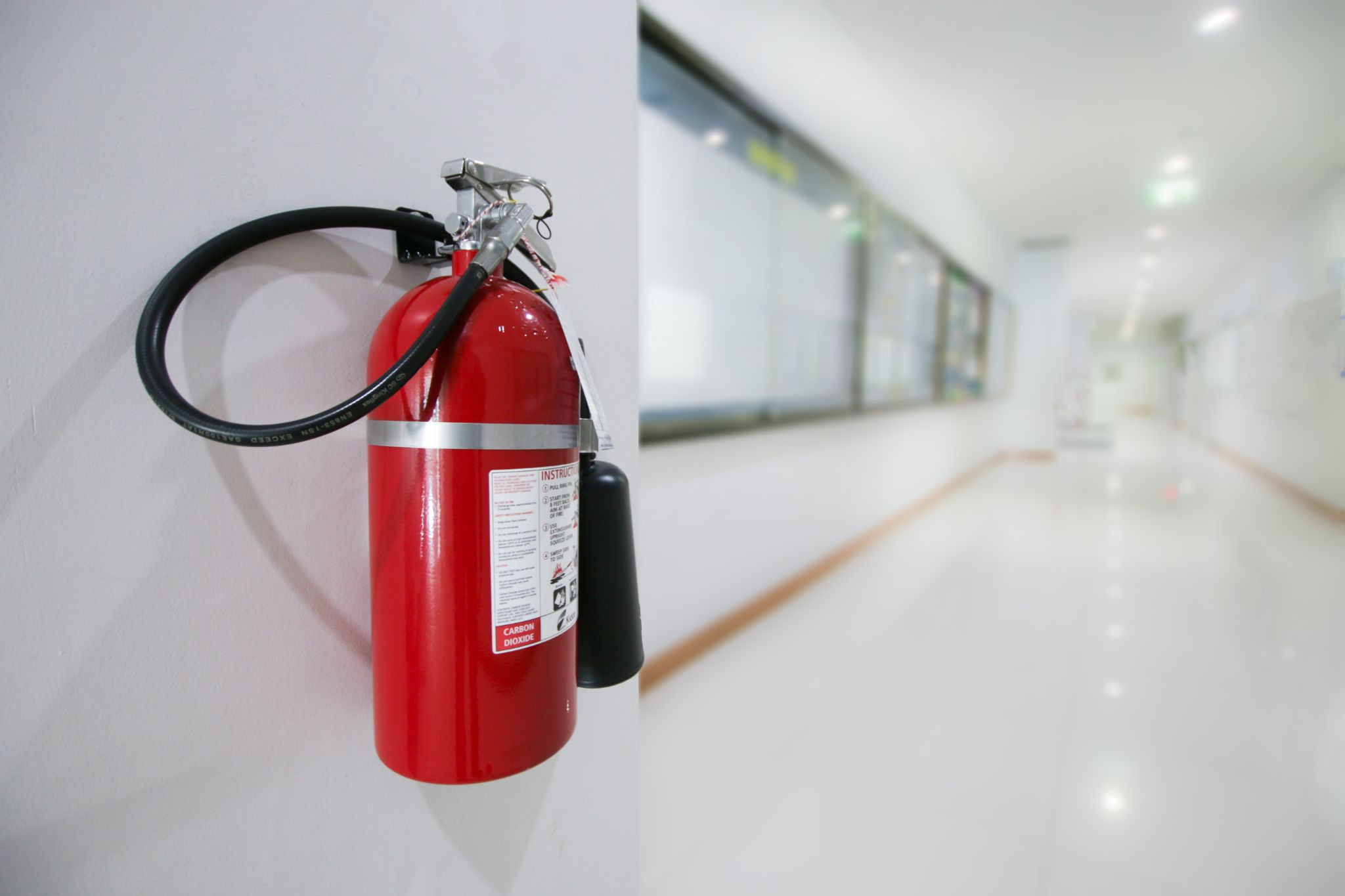
A CO2 fire extinguisher is a type of portable fire extinguisher that releases carbon dioxide gas onto a fire. By displacing oxygen in the air around a fire with CO2, the fire is suppressed. CO2 extinguishers are non-conductive and leave no residue after use, which makes them ideal for use on fires involving electrical or electronic equipment where using water, foam or dry chemical extinguishers could damage equipment.
CO2 fire extinguishers are one of several different fire extinguisher types found across commercial and industrial facilities. Out of all the different fire extinguisher classes, CO2 fire extinguishers are most commonly used for electrical fires and flammable liquids. For this reason, they are commonly found protecting server rooms, electrical switchboards, laboratories, workshops and data centres where equipment damage from secondary means must be considered.
CO2 extinguishers function differently to most other types of fire extinguishers. Rather than cooling the fire or disrupting the flame by coating the fuel with powder or foam, CO2 extinguishers remove oxygen from around the fire by blasting highly pressurised CO2 through a discharge horn. Because the discharge agent is CO2 gas, these extinguishers are perfect for fires involving live electrical equipment, as they're non-conductive and leave no damaging residue.
CO2 fire extinguishers are usually recognised by their black band and are used throughout Australian fire protection environments. As with all types of fire extinguishers they should only be installed if the fire classes they are suitable for and their operational limitations align with the risks presented during a fire risk assessment.
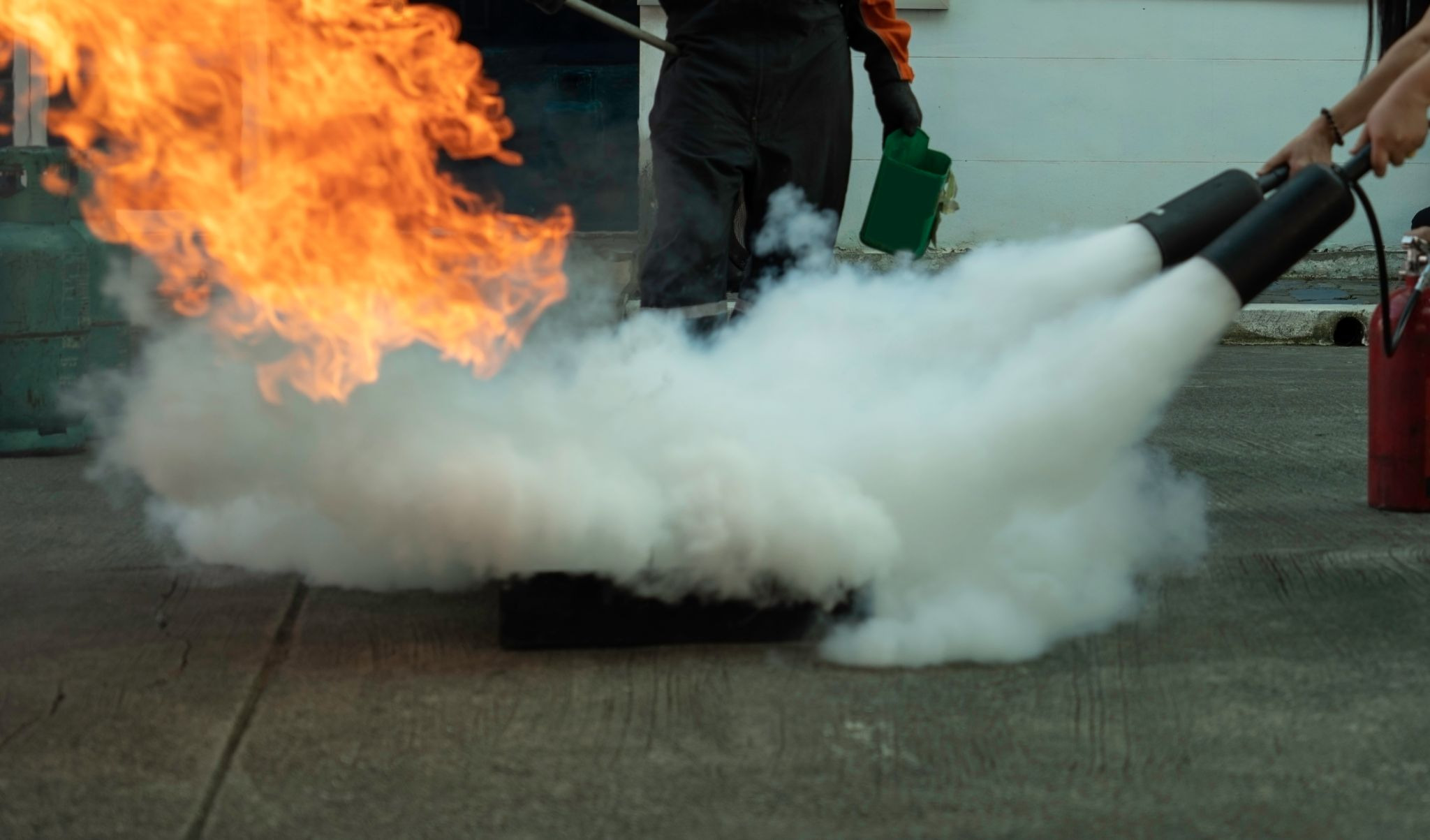
The extinguishing effect of a CO2 fire extinguisher is caused by displacing oxygen in the area of the fire. Water fire extinguishers and foam extinguishers extinguish fire by soaking fuel, whereas CO2 extinguishers do not soak the fuel. Carbon dioxide displaces oxygen around the fire by being released under pressure as a gas.
Carbon dioxide inside the fire extinguisher is stored as a liquefied gas held under pressure. When the extinguisher valve is opened, the pressure in the container propels the CO2 through the discharge horn where it flashes into a gas and experiences extreme cooling as it exits the extinguisher. When the hot gas exits, it produces the visible white cloud seen when using a carbon dioxide fire extinguisher.
Since fire needs a continuous supply of heat, fuel, and oxygen to burn, removing one of the elements will extinguish the fire swiftly. This makes CO2 very effective at extinguishing flammable liquid fires and electrical fires from energised electrical equipment.
Carbon dioxide does not leave a residue once it has been discharged, unlike some other fire extinguisher mediums. For this reason they are commonly used around sensitive electrical and electronic equipment.
It's important to note that CO2 extinguishers have specific ratings under Australian classifications, reflecting their specialized nature. Knowing which class your extinguisher is rated for is important when choosing the right types to protect against electrical and flammable liquids as each class covers a different type of fuel source.
Below are the classes of fire CO2 extinguishers are rated for and where it’s safe to use them.
CO2 extinguishers are normally rated for use on Class B fires only. Class B fires include liquids such as petrol, solvents, oils and some industrial chemicals. In these fires CO2 displaces oxygen surrounding the liquid fire source, making the surrounding atmosphere less conducive to sustaining combustion.
CO2 extinguishers are frequently used on energised electrical equipment as well (Class E risks per Australian fire safety standards). The nature of CO2 being non-conductive means it presents no risk of electrocution or secondary damage to circuitry when deployed on electrical equipment. For this reason they are commonly stored on, or near electrical switchboards, server racks and other energised equipment.
It's crucial to remember, though, that CO2 extinguishers are only appropriate for electrical fires when the equipment is still live and within the extinguisher's specified limits.
CO2 extinguishers should not be used on Class A combustibles like wood, paper or textiles. They should not be used where re-ignition is possible without prolonged cooling, such as deep seated fires.
For this reason, CO2 extinguishers should always be specified as part of a complete fire protection system, not by themselves.
A CO2 fire extinguisher provides several practical advantages in environments where electrical systems and sensitive equipment are present:
Alexon electrical services can help you identify where CO2 extinguishers are the best option for your facility and determine how to integrate them into your electrical safety plan as part of a risk assessment.
When it comes to CO2 fire extinguishers, their usefulness on specific risks is clear, but there are definitely limitations to keep in mind.
They include:
These limitations are some of the reasons why you will typically see CO2 fire extinguishers used in conjunction with other fire protection solutions.

CO2 extinguishers are best suited to areas where energised electrical equipment and flammable liquids are stored or used, and where damage to surrounding assets needs to be minimised. Often they are selected based on a fire risk assessment rather than providing general area coverage.
Server rooms and data centers house critical IT equipment which requires high protection levels from contamination and downtime. Many assets within these facilities cannot be exposed to residue left by other extinguishing agents, making CO2 a common consideration when developing fire protection strategies.
Equipment such as electrical switchboards, control panels, communication devices also may require CO2 due to the risk of energised electrical equipment. Ensure it is readily accessible, but still fits within the safe distance from the hazard area nominated under Australian standards.
Laboratories and workshops can also suit CO2 if there are risks from flammable liquids, or electrical processes. If these areas are under controlled access where people know how to operate CO2 extinguishers and understand the risks associated.
Suitable signage should be installed with all CO2 extinguishers to ensure they are visible and not obstructed. As with all fire equipment they should be installed in accordance with AS 2444 portable fire extinguishers and their placement should consider ventilation, number of people at risk and exposure within the immediate area. This is especially important for indoor and enclosed areas.
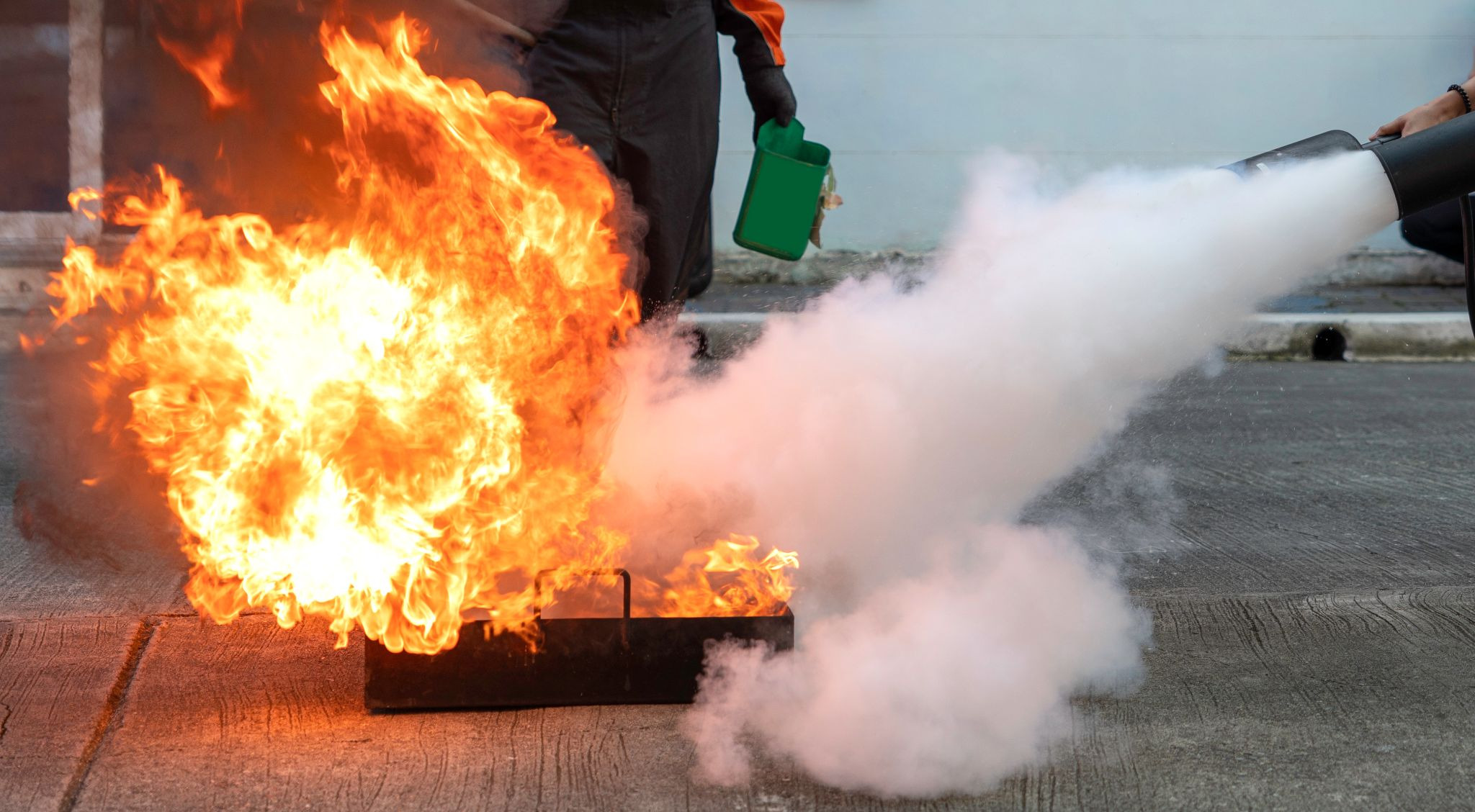
CO2 extinguishers discharge their contents under pressure. This isn't a concern when used as intended, but keep in mind CO2 reduces oxygen and the horn becomes dangerously cold as it empties.
When deciding to use the extinguisher safely, ensure that the fire is still small and contained, that you will not be trapped by the fire (ensure you have a way to exit the area you are in), and that the fire is within the rating of the extinguisher. It's crucial not to enter confined or badly ventilated areas.
Grasp the extinguisher near the base, remove the seal by pulling the pin out and grasp the discharge horn by the insulated handle (not the horn tip). Aim the horn at the base of the fire and squeeze the handle. Sweep the horn from side to side at the base of the fire, keeping yourself at a safe distance.
It's important not to linger right where you were using the extinguisher once you're done, particularly in tight spaces. As CO2 displaces oxygen in the air you can create an atmosphere that will cause someone else to become asphyxiated after you thought the fire was out.
If the fire appears to be out, watch for a period to ensure it doesn't reignite and only re-enter the area if it is safe. CO2 fire extinguishers are intended for initial attack use only. They should not be used in place of exiting the area and calling the fire department.
Never take risks with fire. If in any doubt, leave the area and let the fire service deal with it. Only trained or competent individuals should ever attempt to extinguish a fire with an extinguisher, and only if it's in its initial stages.
When choosing a fire extinguisher type, it’s important to remember that it isn’t about preference between a CO2 extinguisher vs dry chemical extinguisher, it’s about what type best applies to your business or location and the risk factors involved. Both CO2 and dry chemical fire extinguishers are commonly used throughout Australian commercial and industrial facilities, however they differ greatly in makeup and application.
For those operating facilities with sensitive electronic equipment, one of the biggest benefits of CO2 extinguishers is the lack of residue they leave behind. When it comes to general fire risks, dry chemical extinguishers are usually the preferred option.
Below is a table highlighting some of the main operating differences and compliance factors to keep in mind when choosing which type of extinguisher best suits your site.
Each extinguisher type has its place and use as effective first-response solutions, but it generally comes down to the risks you’re looking to protect against and what you can tolerate being discharged on. In situations involving electrical panels and sensitive computer equipment, minimising collateral damage is key, which is why CO2 extinguishers are typically the preferred choice. Dry chemical extinguishers are still a solid choice for environments with varied fire risks or where electrical hazards aren't a primary worry.
Note that simply having an extinguisher doesn’t make you compliant. You must have the right type appropriately selected and placed as per AS 2444 and inspected as per AS 1851, which includes having them chosen to match the risks you have identified and within travel distances to those risks.
CO2 extinguishers should be inspected regularly to ensure ongoing compliance and operability should a fire occur. CO2 extinguishers are part of portable fire protection equipment and are subject to periodic maintenance in accordance with Australian standards such as AS 1851.
Regular maintenance will ensure the extinguisher is properly pressurised, intact and ready for use. Servicing of CO2 fire extinguishers is especially important because they are high-pressure containers. Leakage, blockage of the discharge nozzle and damaged safety devices are just some problems that can occur over time and affect the extinguisher's ability to operate correctly if not attended to.
Fire extinguishers are commonly inspected during fire preventive maintenance programs and servicing records can be used towards demonstrating an annual fire safety statement has been completed. This is often a requirement for building owners and operators to remain compliant.
Fire extinguishers will also eventually reach the end of their service lives and will need to be replaced. Once again, keeping on top of this will ensure minimal compliance risk and even protection levels throughout your facility.
At Alexon we offer preventative fire extinguisher maintenance as part of our services. We can assist with ensuring your fire extinguishers are compliant, installed correctly and will operate as expected when you need it.
Let us work with you and your team to manage inspection, servicing and replacement scheduling.
Choosing the right CO2 fire extinguisher really comes down to identifying the correct fire protection solution to match your risks. CO2 extinguishers are perfect for electrical fires and flammable liquids, but shouldn’t be viewed as a one-size-fits-all fire safety solution.
A compliant fire protection approach relies on more than just initial installation. Ongoing fire extinguisher testing, scheduled fire equipment maintenance, and integration with broader fire suppression systems all play a critical role in ensuring equipment will perform as intended in an emergency.
Maintenance and ensuring that your fire protection systems are up-to-code are critical for facility managers, IT managers and building operators. Not only is it important for safety purposes but also for compliance and reporting purposes like fire safety audits and fire equipment inspection reports.
Alexon has you covered from start to finish with fire protection planning, installation and putting together a fire compliance plan. We can help you choose the right fire extinguishers for your environment and provide fire extinguisher servicing and routine maintenance to keep your systems up-to-code and operating properly.
Get in touch with Alexon now to have a chat about fire safety. Our team is here to help you with CO2 fire extinguisher selections or any fire protection needs your facility may have.
Complete the form to request a call
from a friendly Alexon team member.


