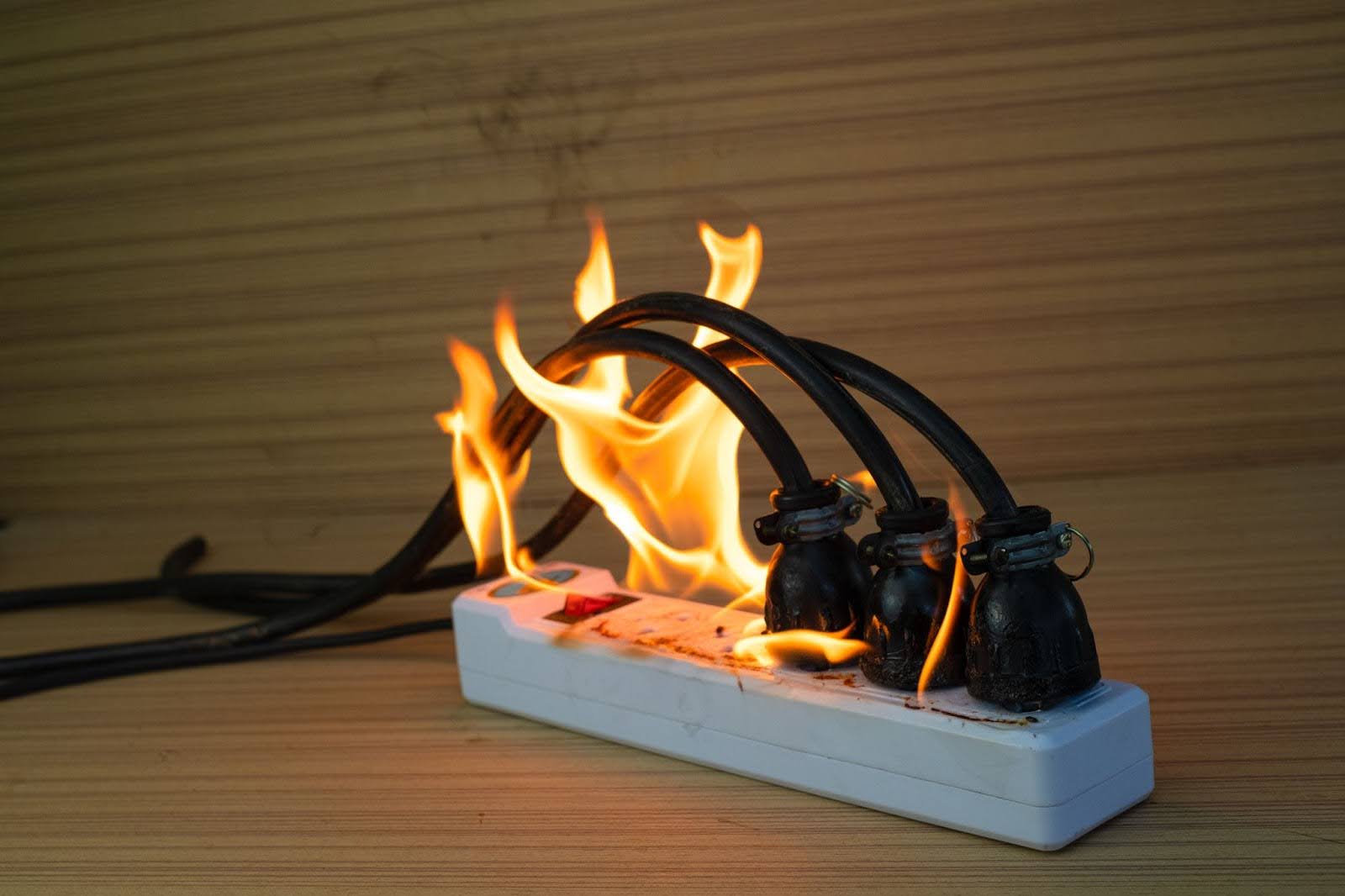
Electrical fires are one of the most unexpected hazards that can occur in your business. Whether it’s your server room full of PCs keeping your business running or the outlet strip hiding behind the office wall, electrical fires can happen anywhere. One broken wire can cause flames to spread across your entire office in seconds.
Not only do you have to worry about the fire itself, but you also have to worry about electrocution. If someone approaches an electrical fire without the proper knowledge of how to handle it, lives can be put in danger. That’s why fire suppression systems are something that IT managers, facility supervisors, and electricians take very seriously.
Damaging your expensive equipment isn’t worth the risk of losing your business down the line. Not only do you have to worry about the people in your office, but you also have to think about downtime and replacement equipment. Oftentimes, people don’t think electrical fires can set their business at risk because they don’t see flames, until it might be too late.
Today, we will cover what type of fire extinguisher is safe to use on electrical fires and equipment. We will go over why water should never be used to put out an electrical fire and provide you with steps to take if this type of fire occurs in your business.
Keep reading to learn more about Class E fires and how to protect your employees, equipment, and business from them.
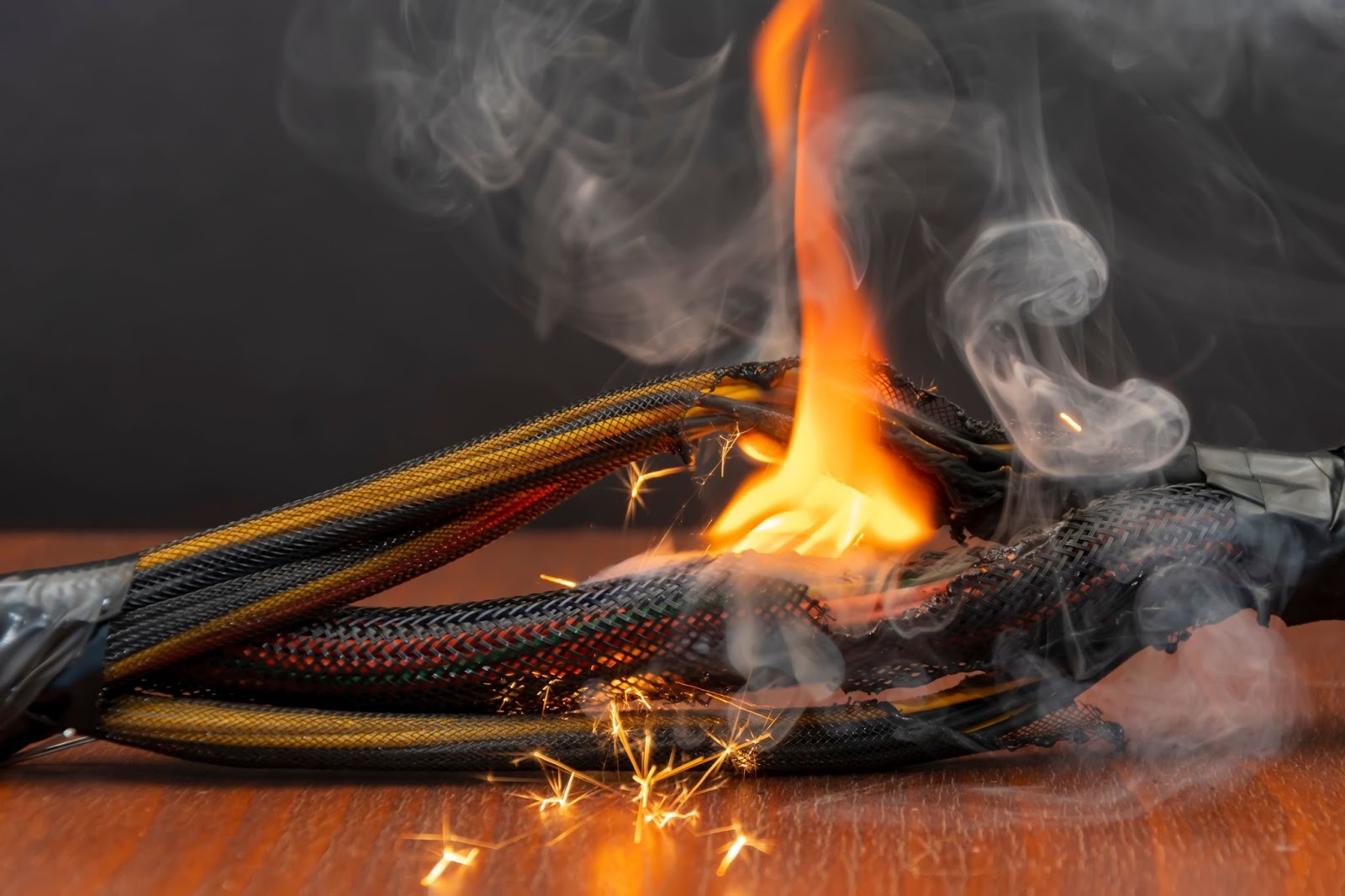
Electrical fires (sometimes classed as Class E fires) are caused by the electrical components of equipment while they are energised or ‘powered’. This includes things like wiring, switchboards, servers, computers and any other office or industrial electronics. Fires caused by energised electrical equipment are extremely dangerous due to the risk of electrocution.
Using the wrong fire extinguisher, or worse rushing in to put the fire out without isolating the power, can have fatal consequences. That’s why understanding electrical fires and how to respond to one are some of the most crucial essential safety measures all people responsible for workplace safety should know.
Office spaces, industrial areas and data centres are full of potential electrical fire hazards. Overloaded power boards, outdated or faulty equipment, dusty or corroded switchboards, worn cables and human error (leaving electronic equipment on unattended, liquid spills near powerpoints) can all start fires which can do major damage to valuable electronics, cause enormous disruption to your operations and put your staff in danger. Preventative fire safety (knowing what fire extinguisher to use, where to position them and how to care for your equipment) is essential for stopping a tragedy before it starts.
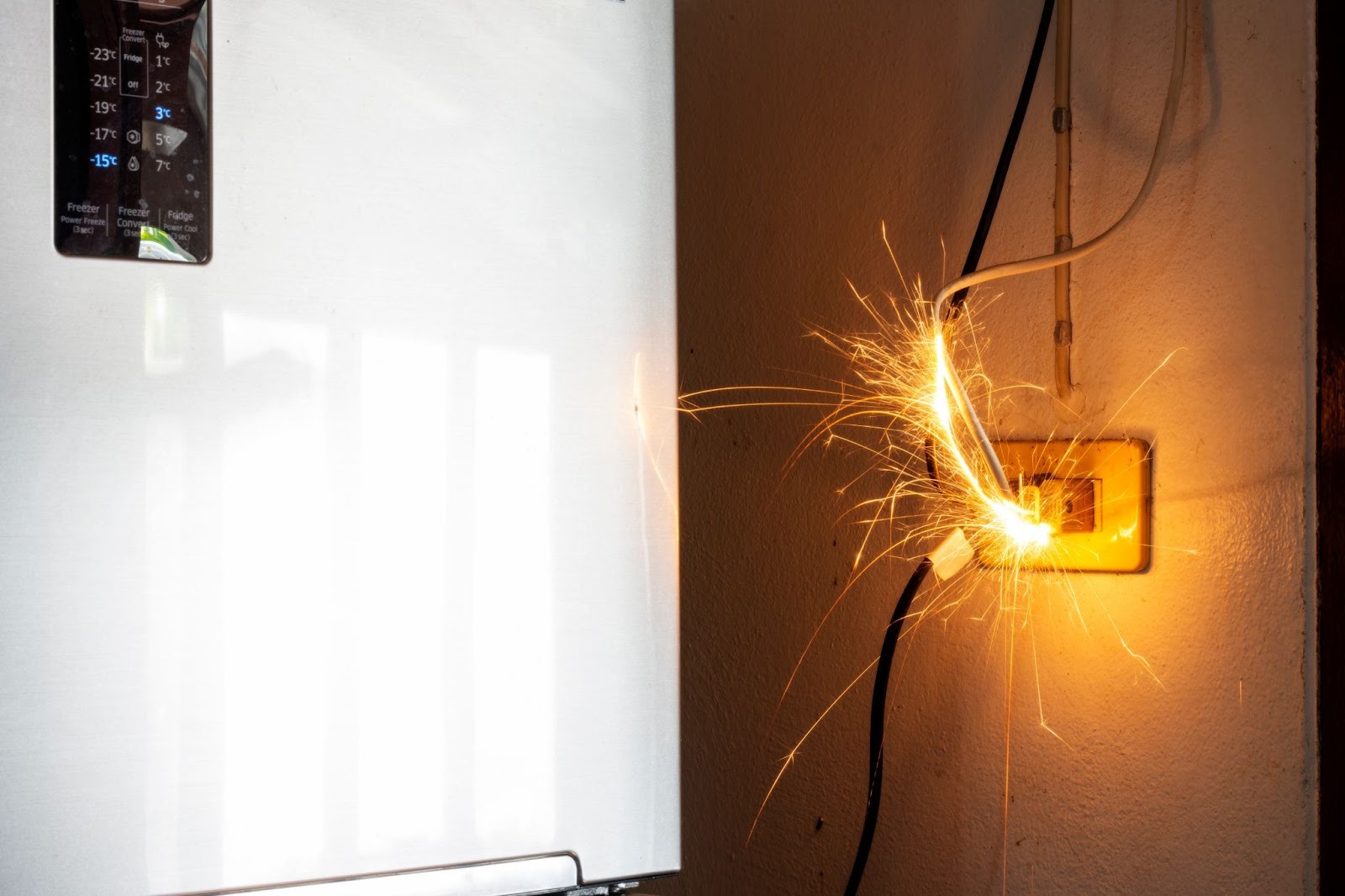
Water should never be used to extinguish an electrical fire. This should be one of the first rules that you learn when learning about fire safety. You may hear someone mention water the most when discussing ways to put out a fire. However, when that fire is electrical, using water is not only useless but life threatening.
Applying water to an energised electrical source will cause the current to pass through the stream of water. When this happens, the electrical current will seek its way back to the ground by passing through the hose and the person holding it. Even if you do not get electrocuted, water will not put out an electrical fire. It will spread it.
If you have a fire coming from an electrical source that is fused with something that is a liquid or can burn like paper or cloth, the water will cause it to spread. The water will cause the burning particles to scatter as well as make any liquids run. Just like using water on a grease fire. Because of this, water fire extinguishers are not to be used on electrical fires. Only use a CO2 or dry chemical extinguisher.
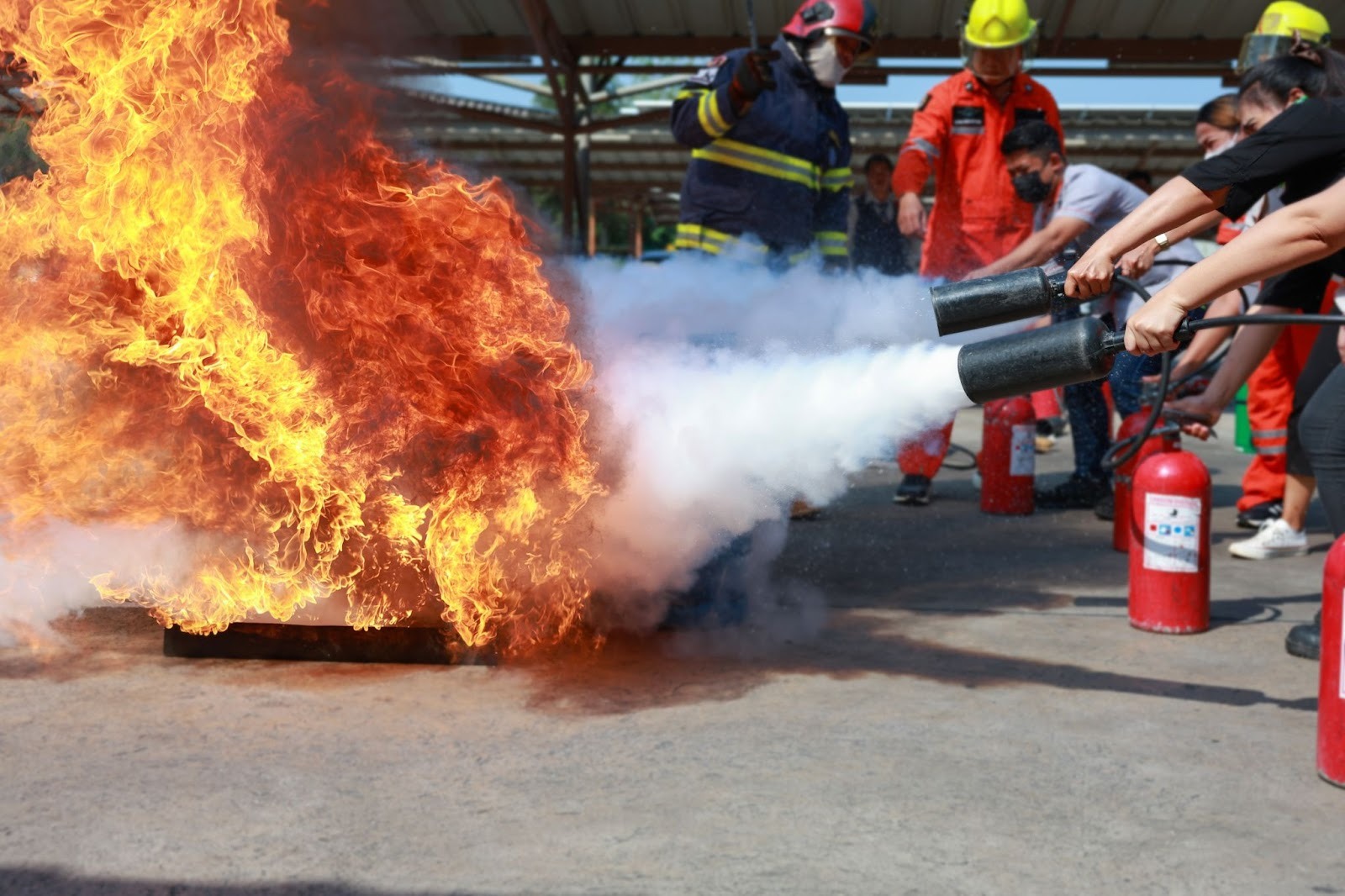
An electrical fire can happen without warning and selecting the correct extinguisher type will help to keep you safe. Many extinguishers should never be used on live electrical equipment as they will not help to put out the fire and may lead to electrocution or costly damage to sensitive equipment. Understanding that different fire extinguisher types have different classes and colour bands can help with workplace fire safety.
CO2 and dry chemical (ABE) extinguishers are best for fires in offices, switch rooms, and data centres. Here’s why:
When fighting electrical fires, CO2 fire extinguishers are highly effective and among our top picks. They work by displacing oxygen, effectively suffocating the fire. CO2 is safe to use on most electronics, so it’s perfect for areas like server rooms, control panels, and anywhere you have valuable electronics. There’s no powder or moisture to worry about, so equipment will be undamaged when the fire is extinguished.
These extinguishers provide limited cooling, so there is always a possibility of re-flash. Use cautiously in small spaces because the discharged CO2 can suffocate everyone in the immediate area.
Dry chemical extinguishers are labeled for use on multiple fire classes and can easily put out electrical fires as well. They work by stopping the chemical reaction that allows the fire to burn. These extinguishers provide a fast knockdown when fighting fires.
Since they can be used on a variety of fire classes, they’re ideal for general office spaces, warehouses, and other areas that may be susceptible to different types of fires. The downside to using a dry chemical extinguisher is the cleanup. The residual powder can ruin electronics and contaminate equipment. Dry chemical extinguishers work best in open areas.
Selecting the proper extinguisher for electrical fires means knowing how CO2 compares to dry chemical extinguishers. While both extinguishants can safely put out Class E fires, they offer unique benefits and drawbacks, as well as having different ideal applications.
Use the table below to weigh your options and select the extinguisher that best matches your equipment.
Regular servicing and inspections are required to maintain the operating integrity of both CO2 and dry chemical extinguishers to the AS 1851 standard. Preventative maintenance will ensure your extinguishers will work when you need them and that your site remains compliant with Australian standards for fire safety.
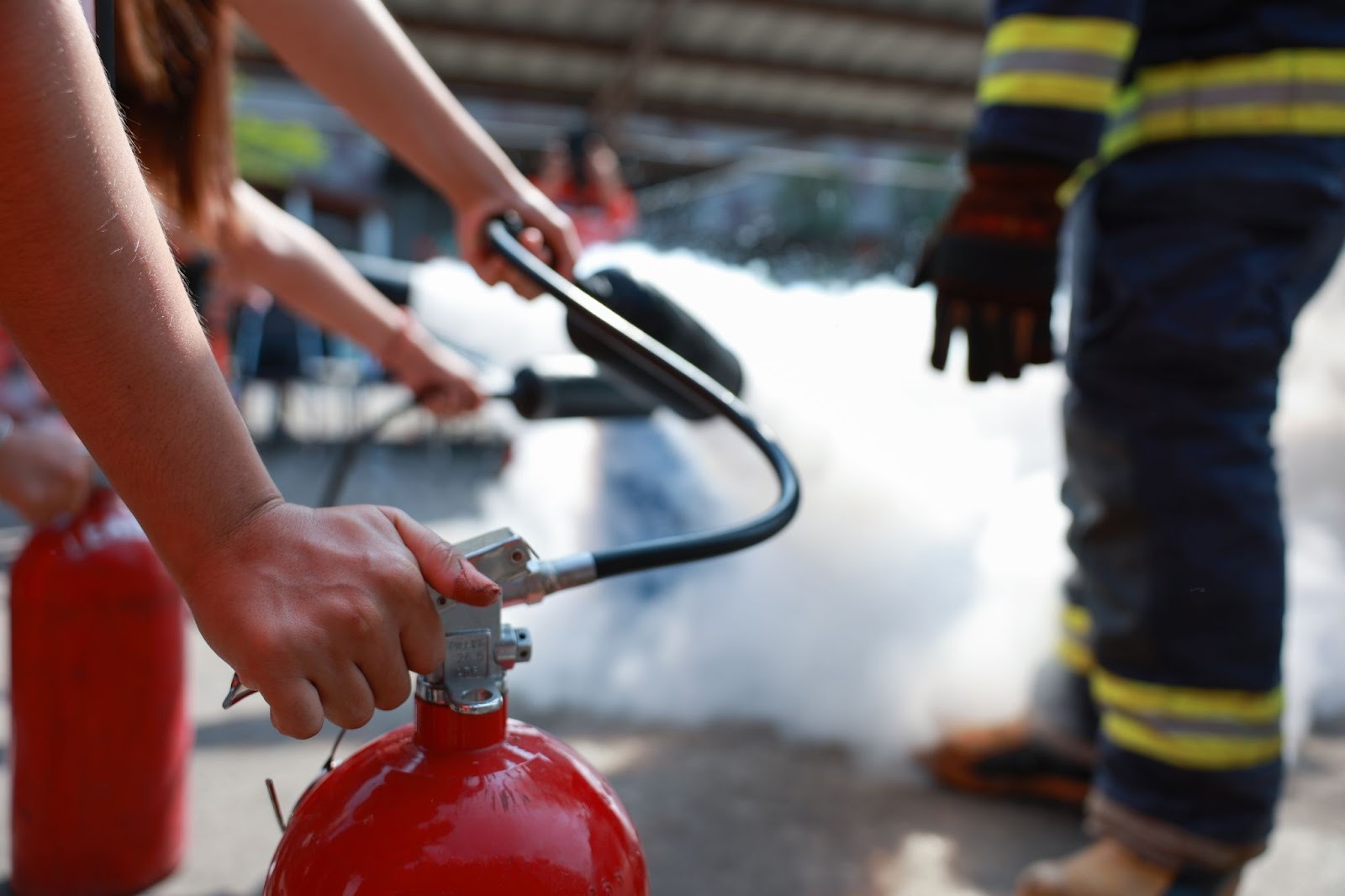
If you ever find yourself with an electrical fire, acting fast is crucial. However, it's more important that you act smart. Applying improper tactics or omitting safety procedures can make the fire worse, or endanger your life.
Below is a step-by-step process that will help you stay calm and tackle the fire safely:
Before attempting to fight any electrical fire, your first step should be to turn off the power source — if possible. Depending on the situation, this can be done by turning off your main power or unplugging the device causing the fire. You may also need to turn off the appropriate circuit at your switchboard.
This ensures that there is no longer any electrical current flowing to fuel the fire. Cutting off the power also dramatically decreases your chance of getting electrocuted and can prevent your fire from reigniting. Finally, cutting the power can allow the fire to be reclassified so that it can safely be extinguished.
If the power source cannot be accessed safely, do not try to be creative. Fight electrical fires involving the power source with caution, using only the correct extinguisher and focusing on evacuating the area if the fire begins to spread.
Assuming you've already isolated power or have a listed extinguisher you can use on energized equipment, stand at a safe distance with a clear way to exit behind you.
Only use as much agent as you need to put out the fire and watch for re-ignition. If the fire doesn't start to go out quickly, evacuate, and wait for the fire department.
Responding to an electrical fire with water is one of the biggest errors made. Water will conduct electricity and cause you to become injured or killed. It will also spread the fire further if there are any liquids involved.
Not isolating the power supply before doing anything else is another common mistake. If you try and fight the fire with the current still on, you're at greater risk of injury and the fire is more likely to stay alight.
Not using the correct extinguisher, standing too close to the fire, or failing to keep a clear escape route are also critical errors. If you don't take immediate action in a high-risk environment, the fire can grow exponentially before you do.
Ultimately, if you ever feel yourself in danger, your safety comes first. Leave the area, pull the alarm and call the Fire Brigade if you feel you can't handle the fire.
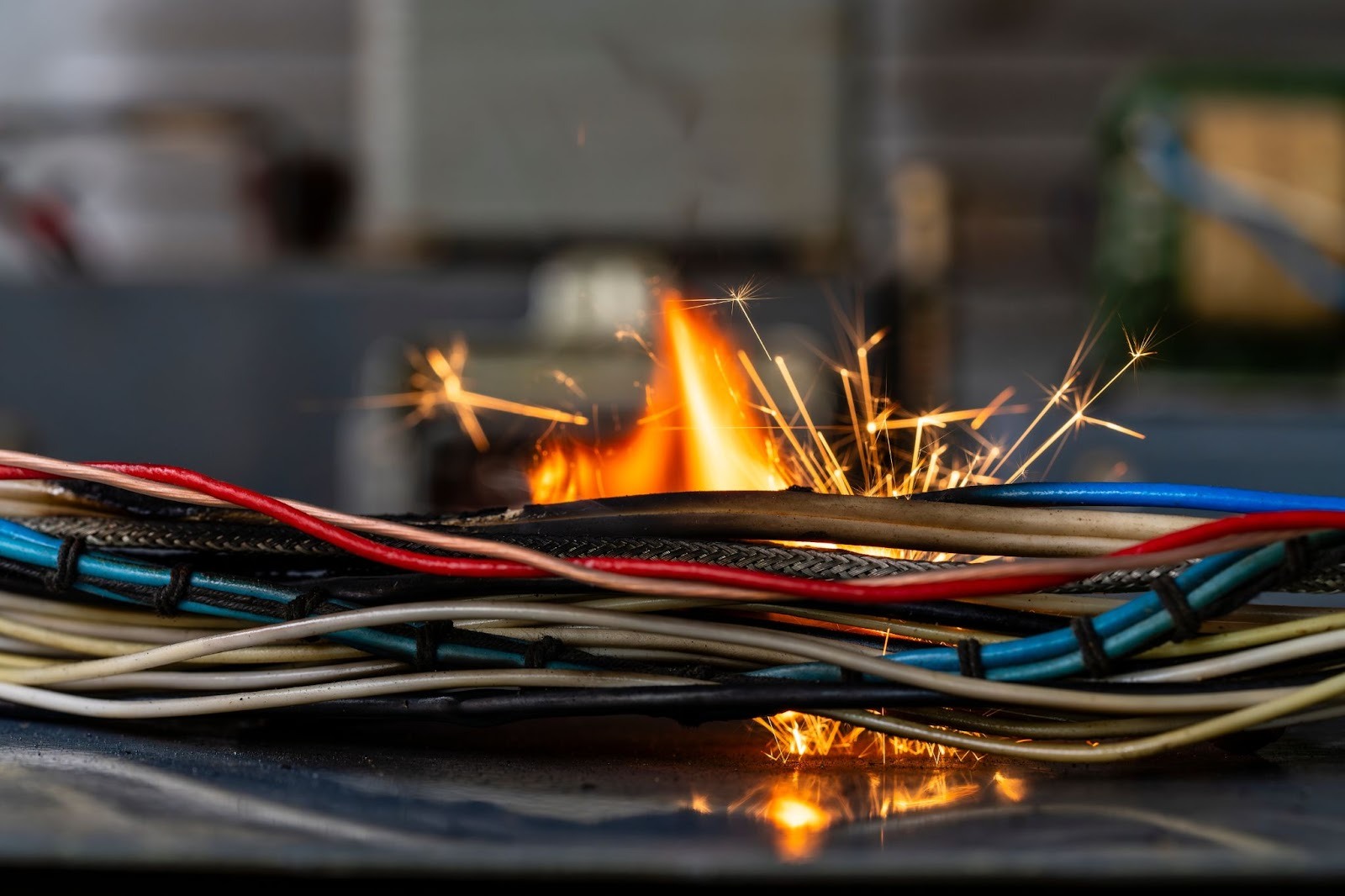
Knowing you have the appropriate fire extinguisher is one thing. Knowing you can access it quickly is another. If you find yourself in a fire emergency, seconds can mean life or death. Don't let inadequate arrangements or inaccessible equipment cost you your safety.
Install all electrical fire extinguishers in prominent locations where they will be easy to access. Make sure they are always visible and accessible, and never blocked by signs or equipment.
These extinguishers should also form part of a broader safety system, working alongside fire alarms in the workplace to ensure early detection, fast response, and safe evacuation procedures.
Server rooms and data centres present a particular risk due to their abundance of electrical equipment, and uninterrupted power. CO2 extinguishers are almost always preferred inside data centres and server rooms since they do not cause damage to equipment with residue.
Position extinguishers near the entrances and exits of the room so people can grab them quickly while having an escape route. Also ensure extinguishers are not placed right next to potential sources of fire since you do not want to be backed into a corner with a fire.
Due to the critical equipment found there, server rooms and data centers need both routine inspections and clearly posted signs.
Switchboards and panels are frequently involved in the origin of electrical fires. Suitable extinguishers should therefore be readily available near switchboards and panels at all times. An approved extinguisher (CO2 or dry chemical ABE type) should be mounted within safe reach of the switchboard or panel.
Both the switchboard and extinguisher should be kept totally clear of obstructions. Boxes stored in front of the switchboard or an extinguisher locked in a cabinet will cause unnecessary delay and may allow a minor incident to develop into a major one.
Points of isolation should also be clearly marked so that power can be turned off as part of the fire fighting procedure.
Electrical fires in office settings can be less obvious, but just as dangerous. Look out for overloaded power boards and office equipment, as well as hidden wires.
Dry chemical (ABE) extinguishers are popular here, as they can be used on a variety of fire classes. In rooms with higher density of electrical equipment, you may find CO2 extinguishers installed.
Ideally they should be placed along escape routes and near exits, as well as close to areas with high usage of electrical appliances. Equally as important, people should know where these extinguishers are located and how to operate them correctly. Educate your team so they can confidently react, if the time comes.
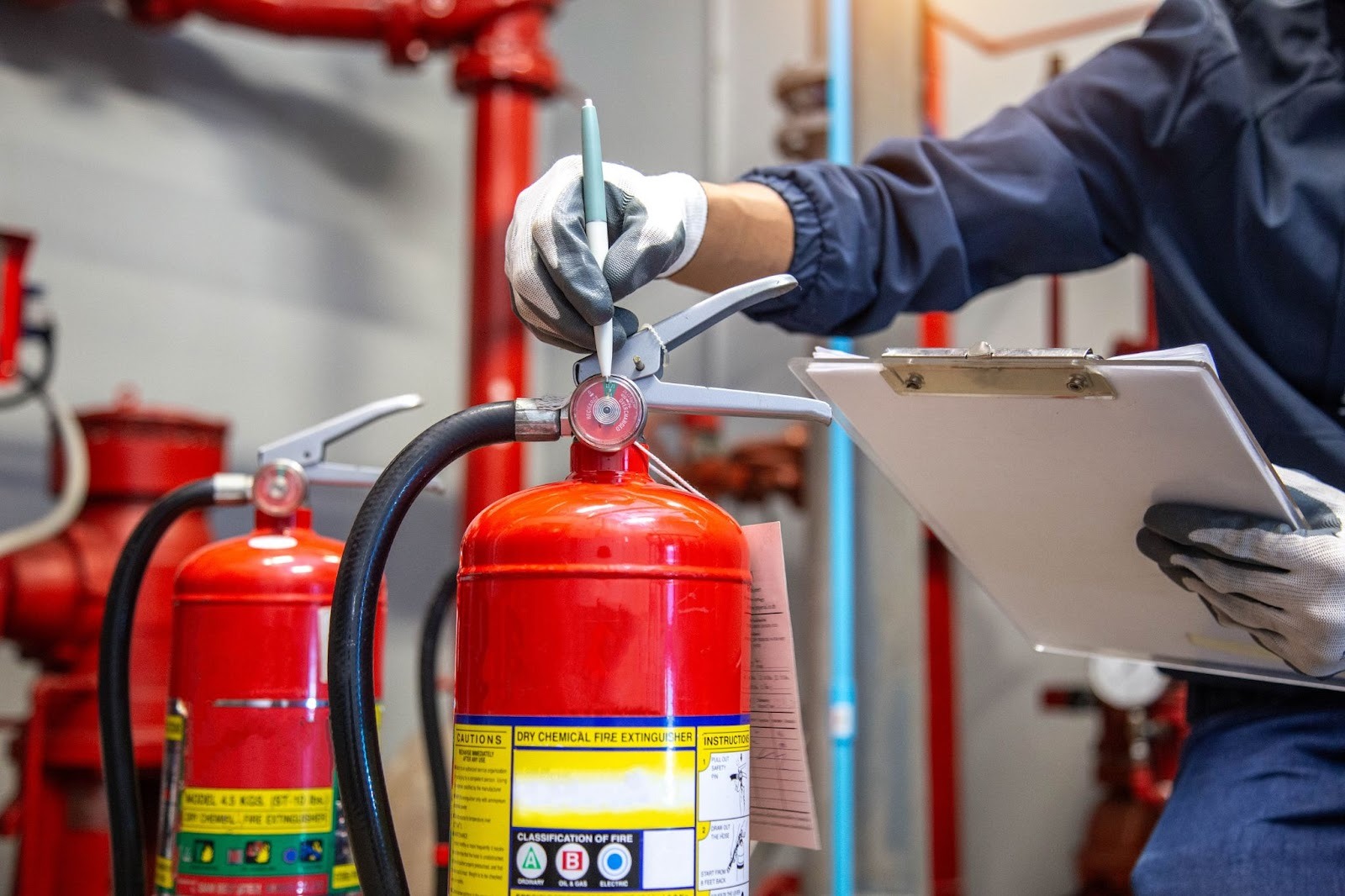
As a general rule of thumb, you should always reach for a CO2 or dry chemical (ABE) extinguisher if dealing with an electrical fire. Never extinguish live electrical equipment with water. If possible, safely isolate the power source first, always ensure a safe exit route is available to you, and then proceed. Stay calm and think quickly, but responding in a controlled manner and with knowledge is what will prevent injuries and minimize damage.
Fire equipment maintenance is just as vital as correct use. Ensuring that your extinguishers are up to date with inspections, servicing, and compliance will give you peace of mind that they will operate correctly if the time comes to use them. Defective, outdated or poorly maintained equipment can lead to malfunction when you need it most, risking people’s safety and your property.
It’s also important that your staff members are aware of fire safety procedures. Having knowledgeable staff who are aware of extinguisher locations and operation can make all the difference. Along with proper installation and maintenance, your staff can help you create a safe work environment.
Before attempting to extinguish an electrical fire, it’s important to understand what actions are safe — and what can make the situation significantly worse.
Following the correct approach is one of the most critical essential safety measures in any workplace.
Safety equipment can only do you so much good if it isn’t installed properly, maintained or ready to go when needed. Changes in pressure, deterioration over time, and general wear and tear can render extinguishers useless without you noticing. That’s why audits and inspections should be a regular occurrence in your business, so you and your team feel confident taking on an emergency and know your electrical fire protection will work when it needs to.
Assessing the service life of your extinguishers is just one part of a quality audit. All extinguishers have different servicing schedules and even those built to last longer still require routine maintenance and checks to ensure they’re up to code. You should also be keeping an annual fire safety statement updated to prove your equipment meets Australian standards and have a record of when your fire protection was last checked.
Audits can also help you find holes in your extinguisher locations, staff training or equipment accessibility. Whether you own a business with sensitive electrical equipment like server rooms or switchboards, or you just want to future proof your office spaces against fire damage, keeping on top of your audits can help you spot the small issues before they become serious.
Our team at Alexon are qualified to test your fire extinguishers and carry out complete audits from installation through to ensuring your equipment will function correctly when the time comes. Safeguard your staff, customers and building with Alexon by your side today.
Electrical fires can spread rapidly. Fortunately, with adequate preparation and equipment you can safeguard your employees, property and operations from electrical fires. A crucial step in workplace fire preparedness is guaranteeing that all fire extinguishers are correctly positioned, easy to reach, and regularly maintained.
When you schedule a fire safety inspection with Alexon, you can rest easy knowing that we’ll check your extinguisher placement and make sure they comply with Australian standards as well as ensuring they will operate effectively when you need it to.
Don’t take chances with fire safety. Give Alexon a call today for professional fire extinguisher advice.
Complete the form to request a call
from a friendly Alexon team member.


