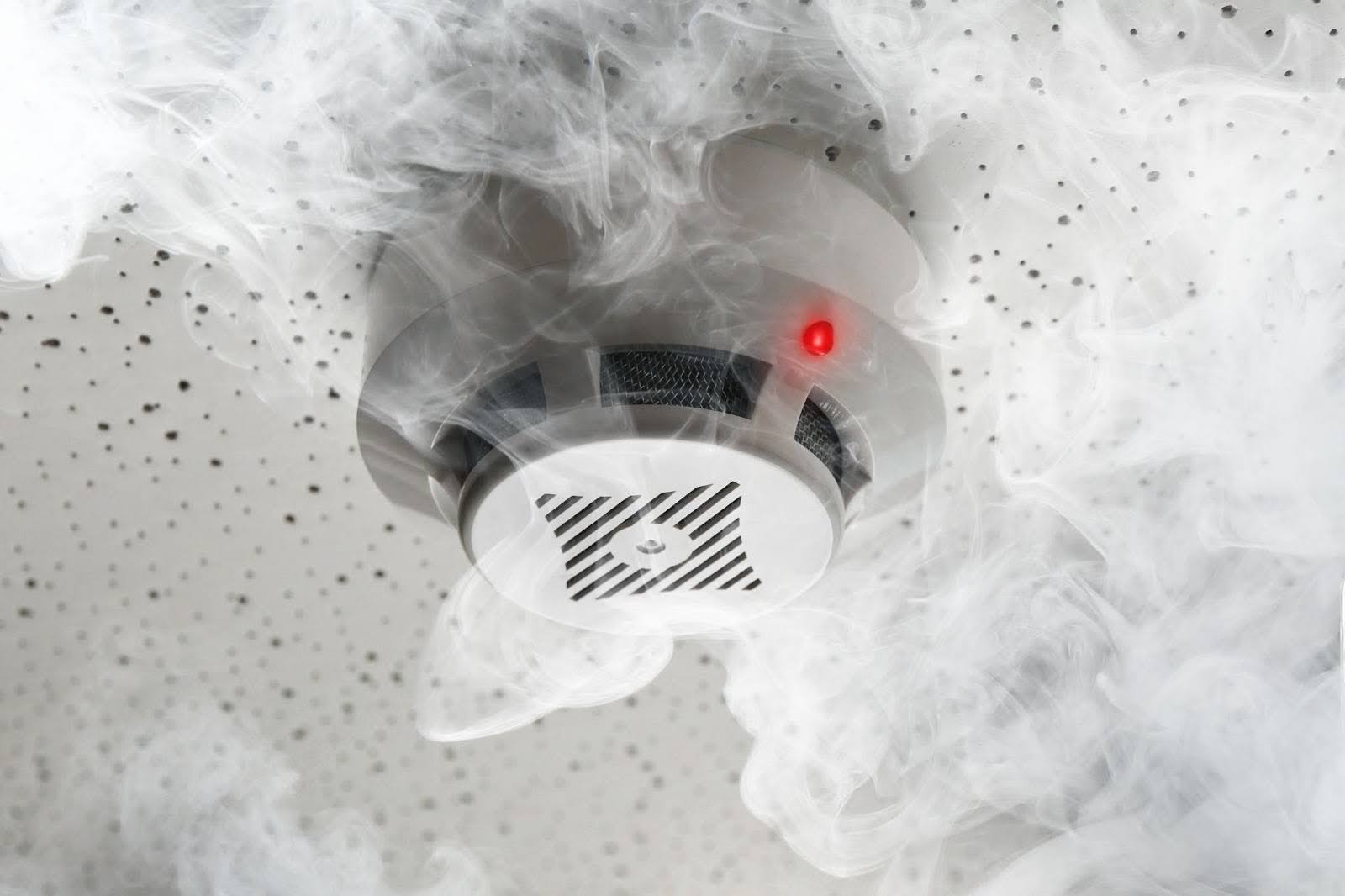
Smoke alarms save lives, which is why they’re considered one of the most important pieces of fire protection equipment in your home or workplace. But did you know that there are different types of smoke alarms that are better at detecting certain types of fires than others? Choosing the wrong type of alarm could leave you with inadequate protection against fires. This means less time to escape and greater risk of damage to property and injury to individuals.
At Alexon, we understand that navigating the different fire alarm options to find the best one for your building can be tricky. To make sure you have the right devices in the right places, you need to understand not just the alarm labels, but also the types of fire you’re likely to encounter and how each alarm technology works.
When it comes to protecting lives and property from fire, there are many different types of fire safety equipment you can choose from. Fires behave differently depending on a variety of factors, which means that one type of alarm may not be sufficient protection for your property.
Whether you own a building, manage one, or you’re a homeowner looking for peace of mind, installing the wrong smoke alarm technology or relying on old alarms that are difficult to see or hear can leave gaps in your detection coverage and leave you open to fire damage.
Not only can we help you choose and install the right smoke alarms for your property, we can also conduct routine checks to ensure your alarms are up to scratch. Our smoke alarms are regularly tested, fully functional, and can give you the peace of mind you deserve.
The team at Alexon has broken down the differences between photoelectric smoke alarms and ionisation smoke alarms, discussed where each type performs best, and by the end of reading, provided you with steps you can take to ensure you have the right smoke alarms for your property.
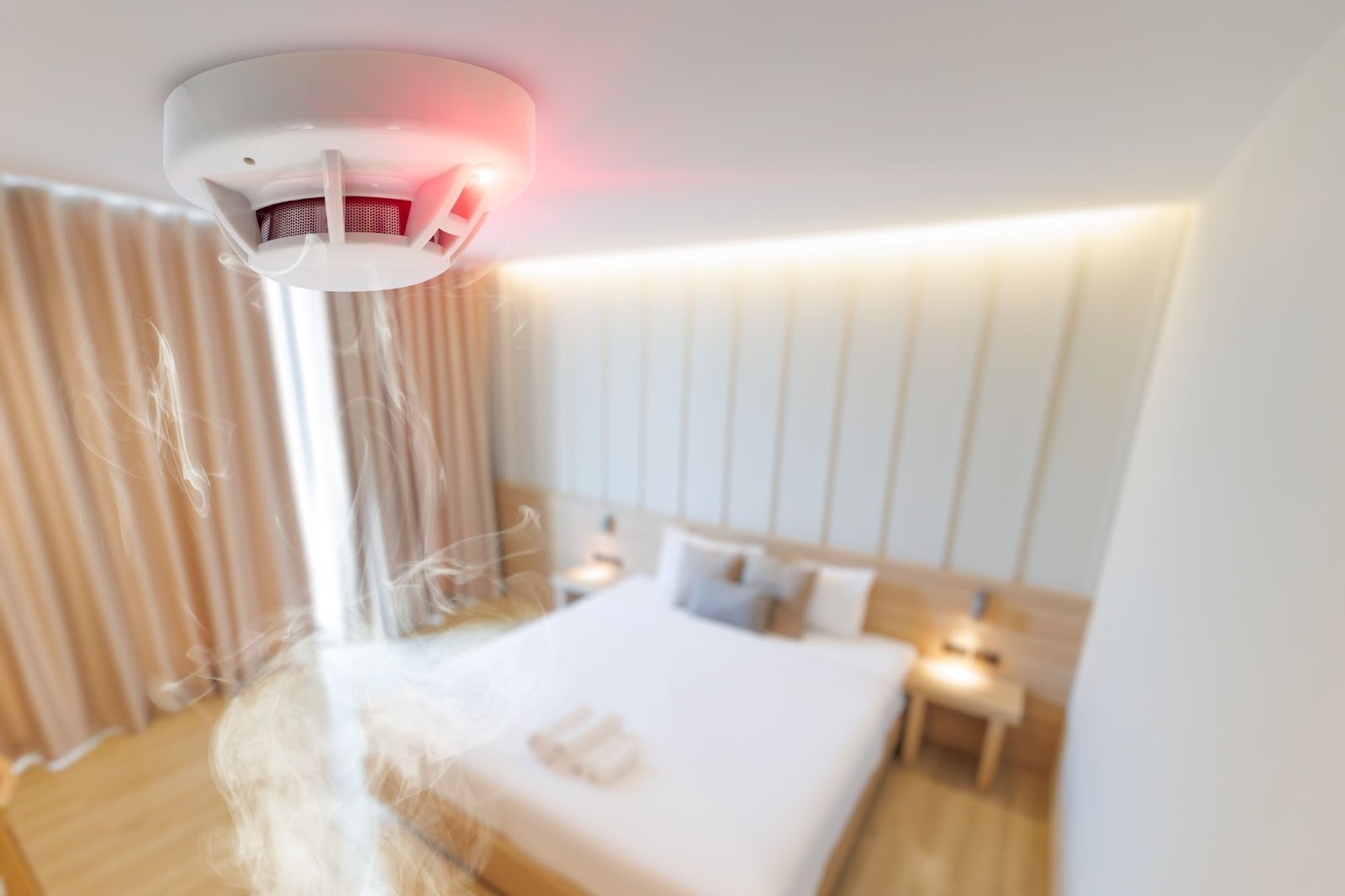
Choosing the proper smoke alarm is not just a code compliance matter, it affects safety and reliability as well as your daily life. Installing incorrect types in the wrong locations can cause false alarms, frequent nuisance chirping, or late detection during a real fire emergency. Often troubleshooting smoke alarm beeping begins with having the right smoke detection technology for your application and properly installing it.
Periodically testing your smoke alarms helps you ensure they are operating properly. Technology can fail even on the best devices if the battery is low, smoke detector sensors are covered or you simply have the wrong kind of alarm for that area. When you choose the right smoke alarm for your home or business and test them regularly, you’ll experience fewer unnecessary annoyances and have peace of mind that you are as protected as can be from real fires.
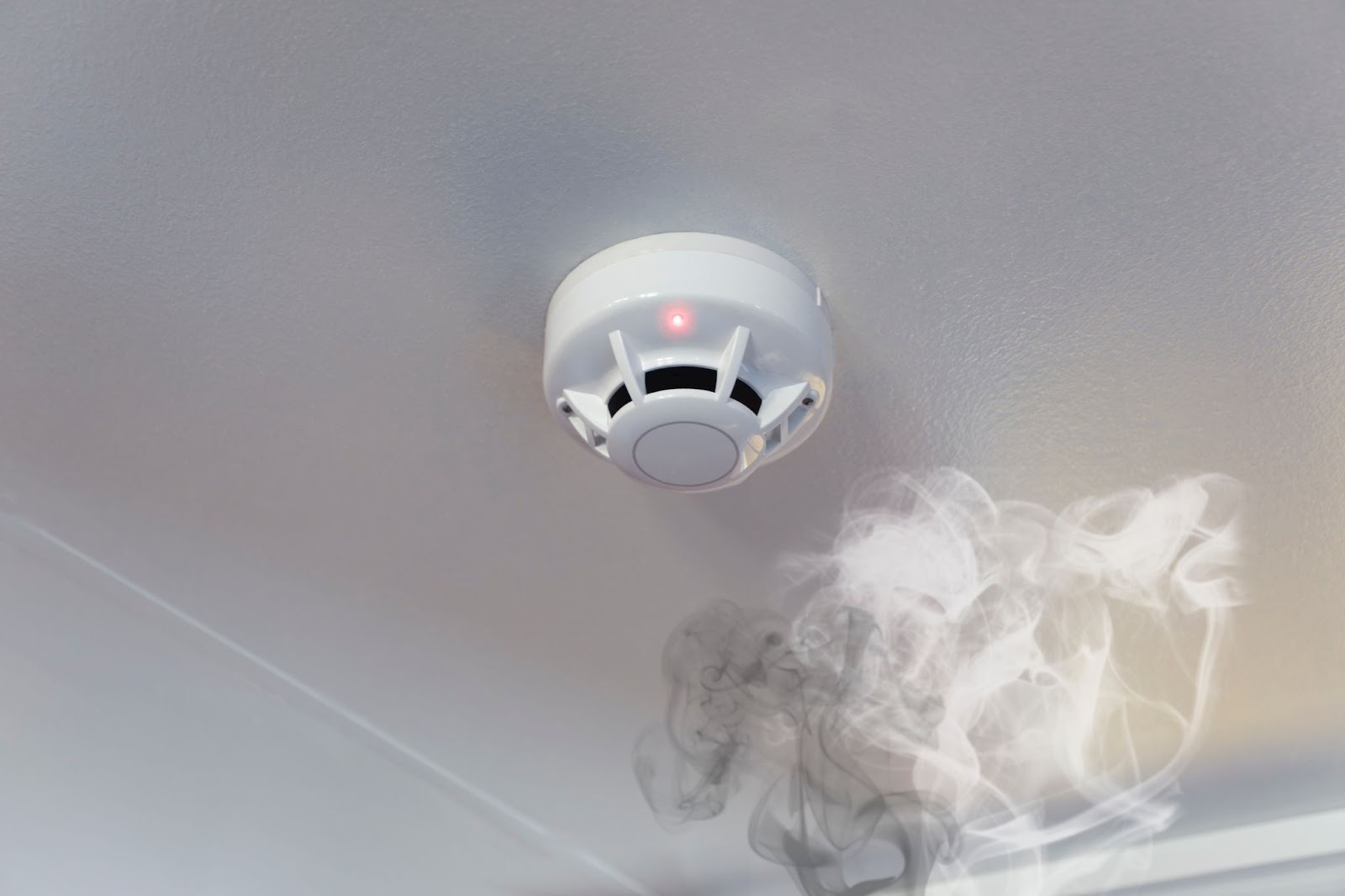
Photoelectric smoke alarms sense fires using a light-sensor instead of combustion particles emitted by fast-flaming fires. Within the smoke alarm there is a narrow beam of light projected away from the sensor chamber. When smoke from a fire enters the sensing chamber, it bounces light off of the smoke particles and onto the sensor, activating the alarm.
Because photoelectric smoke alarms operate using this method, they can detect smouldering fires (fires that give off a lot of smoke before bursting into flame) more quickly. Materials that commonly cause these types of fires are upholstered furniture, bedding, and electrical fires.
Photoelectric alarms are less sensitive to cooking smoke and steam when installed properly. They are recommended for kitchens, living rooms, bedrooms, hallways, or anywhere people spend time sleeping or relaxing to help prevent smoke alarm beeping.
Most new alarms are also "smart" home-compatible and will interconnect with other alarms in your home. If there is a fire on one floor, you will be alerted before the smoke reaches your photoelectric smoke alarm.
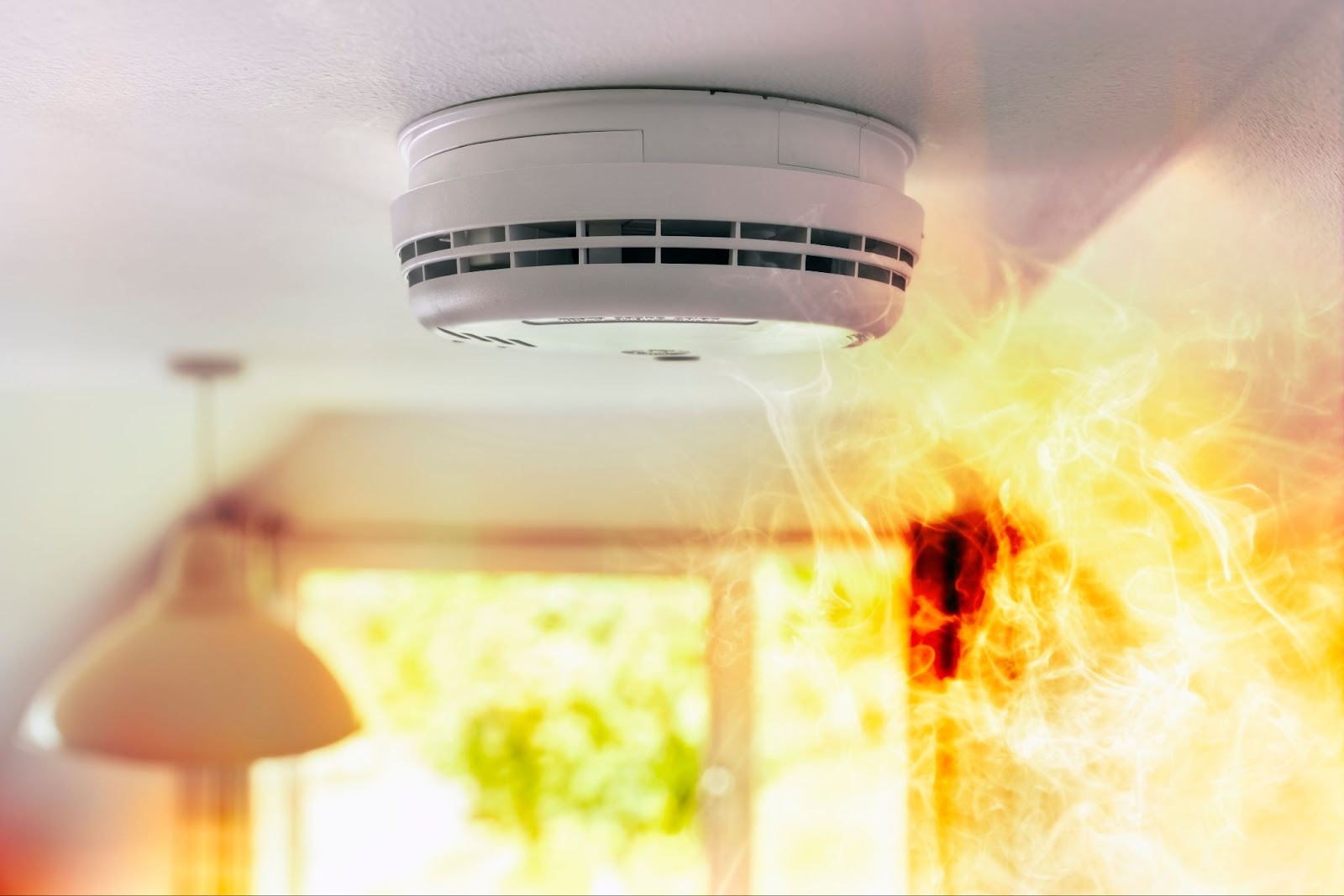
Ionisation smoke alarms contain a small amount of radioactive material that charges up two plates within the sensing chamber with an electric current. When smoke from fast-flaming fires, or steam particles enter the chamber, they cause the current to be interrupted and set off the alarm.
An ionisation alarm will detect a fire quicker when it is rapidly growing and producing flames, making them well-suited to catching paper, textile fires or fires started with flammable liquids. Ionisation alarms can be useful placed in rooms that require quicker responses to flames such as kitchens, storage closets or hallways leading to rooms with high occupancies.
These devices can often be added to incorporate other fire detection technologies to create a layered approach to fire protection, allowing early detection while suppression devices engage. Ionisation alarms should be used with a well-thought-out fire safety plan as they can be more sensitive to nuisance alarms from cooking smoke or steam.
When used correctly they will sound off quickly allowing for individuals to take action or evacuate the premises in a fast manner. Ionisation alarms can often be linked to other smoke detectors as well as suppression controls throughout your property.
When selecting a smoke alarm, understanding the strengths and limitations of each technology is critical. Photoelectric and ionisation alarms are designed to detect different fire behaviours, and installing the wrong type in the wrong location can compromise early warning, increase nuisance alarms, and reduce the effectiveness of fire suppression systems.
The table below provides a clear, practical comparison to help you make an informed decision for your home or workplace.
Fire safety laws throughout Australia have changed over the years due to research determining the leading cause of fire fatalities were now caused by smouldering fires vs flaming fires. When fire investigations were being looked at around homes and businesses, it was discovered that older-style alarms weren’t always effective in alerting people early enough when a fire occurred during the night or increased slowly.
Regulations normally require photoelectric smoke alarms to be installed in new construction and also being changed in older properties during renovations, sale of a property or when having smoke alarms brought up to compliance.
Hopefully this will minimise the risk of preventable deaths by allowing more time for the occupant to be woken up and evacuate the property and allow time for the fire protection systems to operate. In many jurisdictions, this shift forms part of broader essential safety measures, which aim to ensure all fire protection systems within a building work together as an integrated safety network.
When buying smoke alarms you are now responsible for ensuring they are compliant with Australian Fire Safety Standards and passed by certifications such as state fire authorities. Smoke alarms shouldn’t be looked at as a standalone device but rather part of a regulated safety item that requires regular inspection, testing and maintenance.
Knowing the reason behind photoelectric smoke alarms will allow you to make better choices when it comes to compliance and taking action rather than just meeting the minimum requirements.
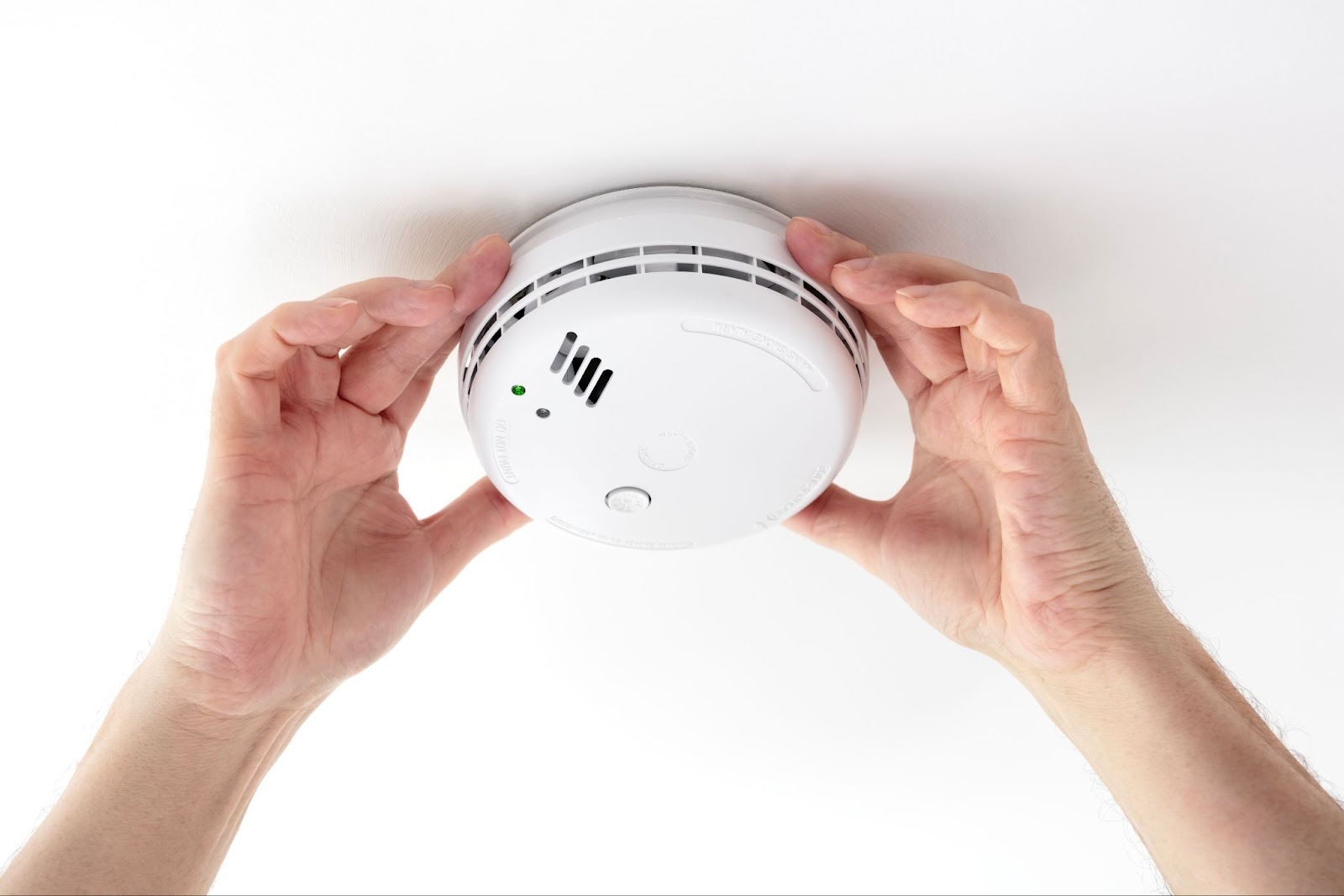
Dual-sensor alarms use both photoelectric and ionisation technology together in a single alarm to detect both smouldering fires and faster flaming fires. This gives them the ability to detect a wider range of fire types than a single sensor alarm.
Depending on the fire risks present in different rooms in a property and the likelihood of different types of fires starting in the same area you may benefit from protecting against multiple risks in one zone. However, just because dual-sensor alarms can provide a wider range of detection doesn't necessarily mean they are the safest option for your home or business.
Dual-sensor alarms can be more prone to nuisance alarms if not positioned correctly due to their increased sensitivity. They can also create additional maintenance requirements over time as there are now two sensors that need to be kept clean, working and properly calibrated in order to continue to operate correctly.
Photoelectric alarms installed in the correct locations (and properly maintained) can generally provide early enough detection of the most likely fire scenarios to occur in your home. This is why dual-sensor alarms are generally more beneficial in properties with irregular layouts, mixed-hazard areas, or evenly split areas.
Choosing between interconnected and standalone smoke alarms has a significant impact on how effectively occupants are alerted during a fire. The difference is not just technological — it affects evacuation time, compliance obligations, and overall risk management across a property.
Opting for interconnected smoke alarms means installing detectors that communicate with each other. When one alarm senses smoke, they all sound. This gives residents and business owners further protection should a fire occur some distance away from where they are sleeping or where most people are located within a building. Keeping doors open between rooms can help, but this doesn’t guarantee the noise will wake everyone or that smoke won’t get into other areas of the property.
Smoke alarms today can be interconnected through hard-wiring or wireless signals. Because of this, you won't need to replace every single alarm to get the advantages of an interconnected system. In commercial buildings and homes deemed higher-risk, interconnected alarms can also be linked to your other fire protection systems. This allows for layered protection and more time to evacuate the premises.
Standalone smoke alarms mean each alarm only sounds when it detects smoke. While this offers some degree of early warning in small homes or rooms that don’t sleep anyone or have high occupancies, a fire could start far enough away that you won’t hear the alarm.
Installing standalone alarms is often easier, and they require less maintenance than interconnected systems. As building codes and safety expectations change, standalone alarms are best left for low-risk homes and rooms.
As mentioned previously, interconnected smoke alarms are typically required for new builds and significant renovations. When planning for your fire and life safety needs, it’s best to think about integrated systems that meet code instead of standalone devices. You should also consider how you will maintain your alarms in the future, as interconnected devices can sometimes offer expanded coverage.
No matter the size of your property or business, you likely want the best protection possible that offers consistent performance year after year.
Equally important to selecting the correct smoke alarm type for your needs is understanding how to correctly place smoke alarms around your home or business. When poorly placed, even the highest quality smoke alarm can be less effective than expected and lead to late warnings, frequent nuisance activations or constant problems like "why is my smoke alarm beeping? "
Smoke alarms install on ceilings wherever possible as smoke rises vertically before travelling horizontally and filling the entire room. Keep alarms away from air vents, ceiling fans and windows which may create drafts and prevent the smoke from reaching the alarm in a reasonable time.
At kitchen windows, extract fans and in bathrooms and laundry rooms ensure alarms are far enough away from the hob or shower/steam to prevent nuisance activation but close enough to cover the living spaces nearby.
If your home or business has multiple levels then smoke alarms should be installed on each level of the home and along exit routes like hallways and staircases. These are areas where interconnected alarms can provide significant benefit to your home or business. Make sure you also account for sleeping areas as doors can severely hinder how long it takes for the smoke alarm to detect smoke when your alarms are too far away.
From a compliance perspective, installation and ongoing inspection must align with AS1851. When servicing smoke alarms throughout Victoria, faults that occur repeatedly, batteries draining prematurely or inspections being interrupted by dirt/debris on the sensors are often the result of incorrect placement or installation. By following the recommended placement during installation you'll help prevent these problems down the track.
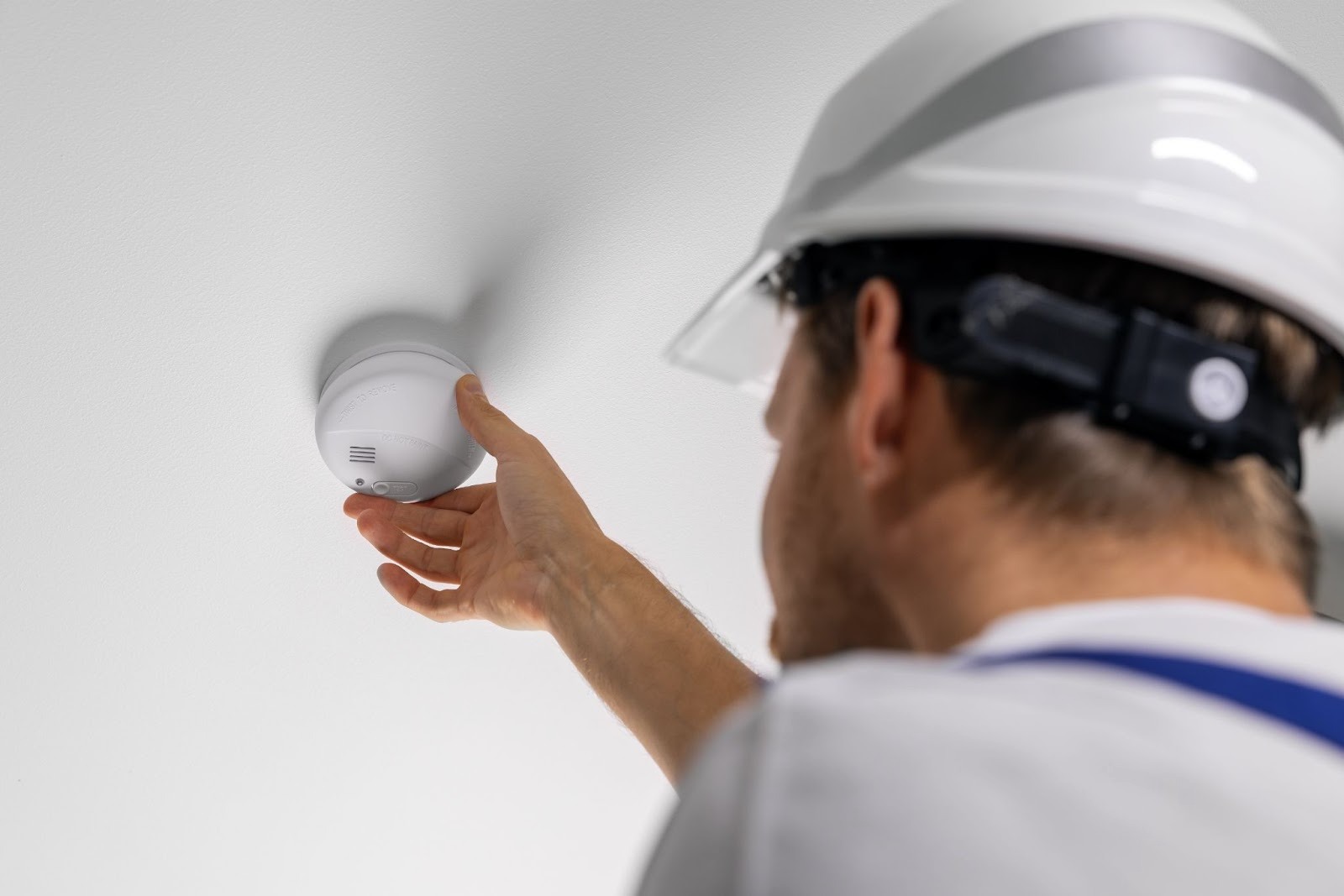
Smoke alarms require regular maintenance and servicing to help ensure they continue to operate effectively for their entire service life. In Australia, the maintenance of smoke alarms is covered under AS 3786 which details the correct processes for inspection, testing, cleaning and replacement of smoke alarms in both residential and commercial buildings.
Dust, insects or other airborne contaminants can build up on the smoke alarm sensor over time causing a decrease in sensitivity or unwanted nuisance alarms. Batteries lose their charge and wiring can become loose, components will wear with age and these are some examples of maintenance issues that could occur with your smoke alarm that may not present any immediate signs of alarm failure.
Scheduled smoke alarm maintenance allows for these issues to be identified before they cause your smoke alarm to fail when you need it most, and can help to eliminate those nuisance alarms that often lead to occupants disabling their smoke alarm.
Fire equipment maintenance may include more than annual testing. Requirements may include scheduled functional testing, sensor cleaning, battery replacement or replacement of entire units when they reach the end of their life. This can also include the recording of alarm testing for commercial premises.
Choosing the right smoke alarm, having it installed properly and maintaining it can mean the difference between your property and its occupants staying safe or suffering losses. There are many considerations when making these choices; understanding the differences between photoelectric, ionisation and dual-sensor smoke alarms to selecting smoke alarms that operate independently or as part of an interconnected system. Your decisions have consequences when it comes to early warning and evacuation times as well as general fire safety.
Alexon can help navigate you through your options. We work with property owners, facility managers and businesses to survey your property for fire risks, recommend suitable alarms that comply with current standards, have them installed in the correct locations and maintain them according to Australian Standards so you can be assured that your smoke alarms are working properly and are ready to operate should the occasion occur.
Don’t leave your fire safety to chance. Contact Alexon today to discuss your property’s requirements and implement a smoke alarm strategy that maximises protection, compliance, and peace of mind.
Complete the form to request a call
from a friendly Alexon team member.


