.png)
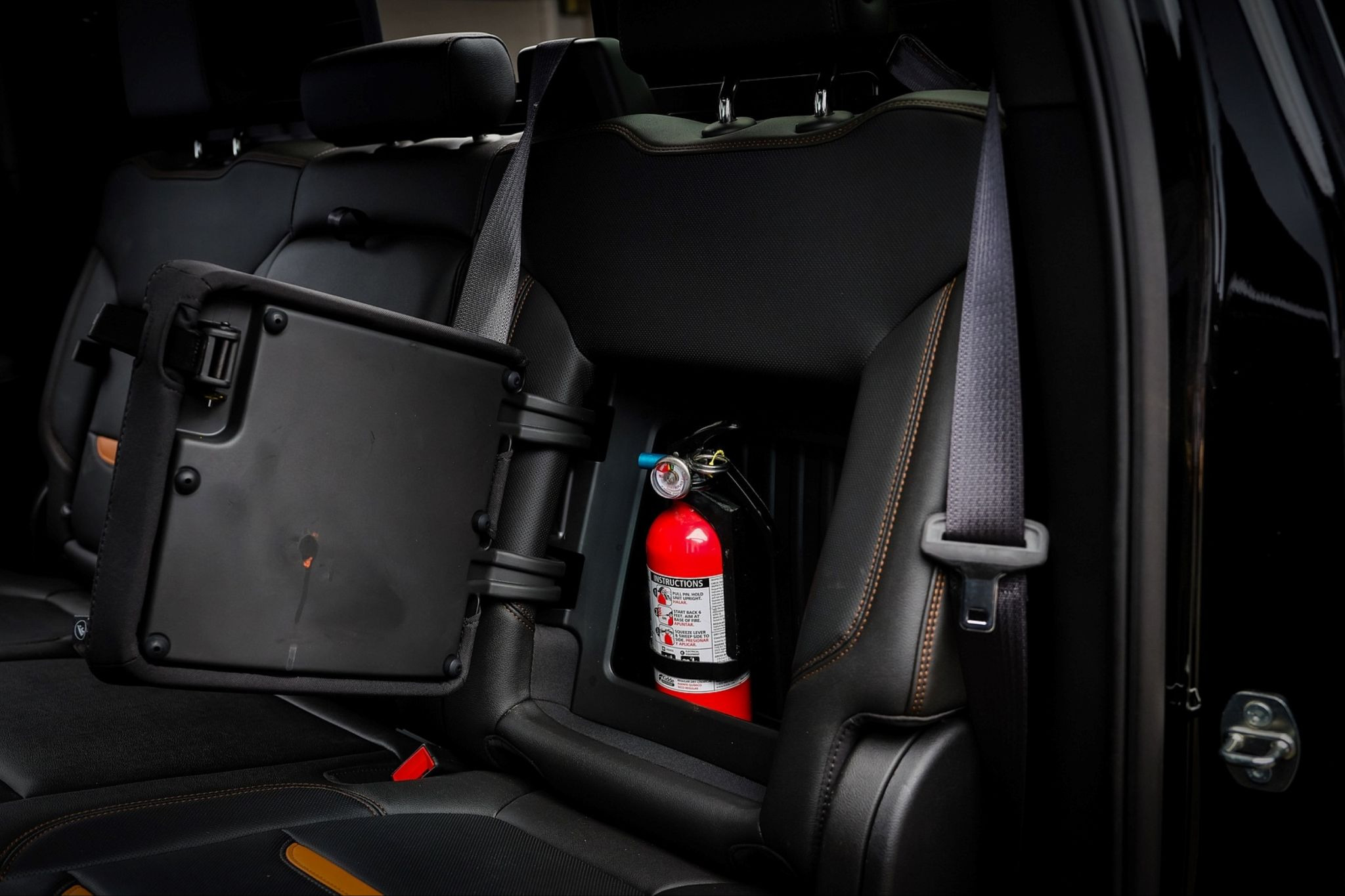
Vehicle fires are relatively rare but they can also double in size in under a minute. An electrical issue, fuel leak or engine fire can quickly spiral out of control, giving you little time to react. Most drivers in Australia will never have to deal with a car fire but having the correct fire extinguisher handy just in case could be what stops your vehicle from going up in flames.
Fire extinguishers are one part of an overall fire safety plan that can help minimise damage and allow first responders to control an incident better. Fire extinguishers designed for vehicles are commonly used in commercial applications and motorsports but are also growing in popularity with everyday motorists, caravan owners, 4WD enthusiasts and tradies who want that extra piece of mind should the worst happen.
Here at Alexon, we understand that when it comes to outfitting your vehicle, work ute or specialty vehicle we want you to have peace of mind that your fire extinguisher has been installed correctly and is operational when you need it.
Having an extinguisher in your vehicle is a great first step but make sure you have the correct type installed in the correct location and that you maintain it properly. Fire suppression systems and portable fire extinguishers are two key parts of a fire safety plan. If you’re wondering which type of fire extinguisher to buy for your car or which one is best, you’ve come to the right place.
Keep reading to learn about fire extinguisher types for vehicles, how to size your extinguisher, recommended mounting locations and more.
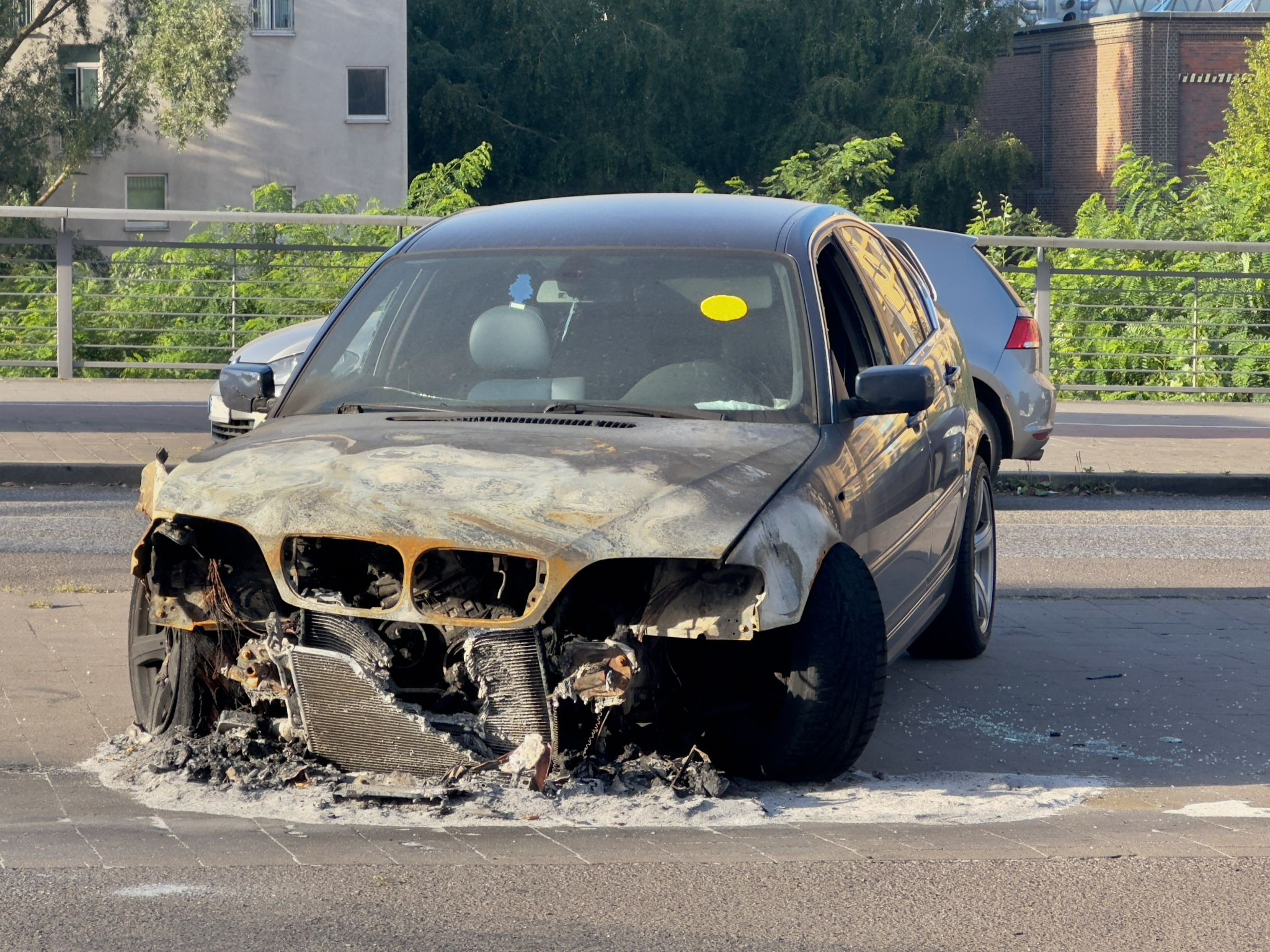
Cars these days are designed with better safety measures than ever before. Despite this, there are still many different reasons why your car may catch fire. Carrying a vehicle fire extinguisher can help you feel prepared if you understand the risks associated with fires in your vehicle.
Some of the most common causes include:
Fires can occur anywhere but often start in the engine bay and spread throughout the vehicle cabin. A small fire in your engine bay may be manageable if you catch it quickly, but your safety is paramount. If you notice that the fire is quickly growing or emitting dark smoke, evacuate the vehicle and call 000.
Vehicle fire safety organisations such as Fire Rescue Victoria and RACV recommend regular maintenance to help prevent your vehicle from catching fire.
Generally speaking, no. Australian legislation doesn’t actually mandate that passenger vehicles must be fitted with a car fire extinguisher. This means that unless you’re transporting hazardous goods or performing emergency services, fitting a fire extinguisher to your own vehicle is more about your individual safety preferences than about complying with the law.
That said, there is a range of vehicles used for work purposes that may be legally required to carry portable fire extinguishers. Certain commercial vehicles, including trucks, buses, taxis, and fleet vehicles, might be obligated to carry fire extinguishers based on their category and operational purpose, in accordance with Australian Design Rules (ADR) and broader workplace safety regulations. Be sure to look into any industry-specific compliance requirements that apply to your company vehicles.
Whether by law or not, it’s still considered good practice to carry a fire extinguisher in your car. For those who drive extensively, particularly outside of urban centres, pulling a caravan, tackling off-road terrain, or working in isolated spots, getting rapid help from emergency responders could be difficult if the unexpected occurs. A fire extinguisher is one of the simplest and most effective tools you can carry in your vehicle to protect yourself in the event of an emergency.
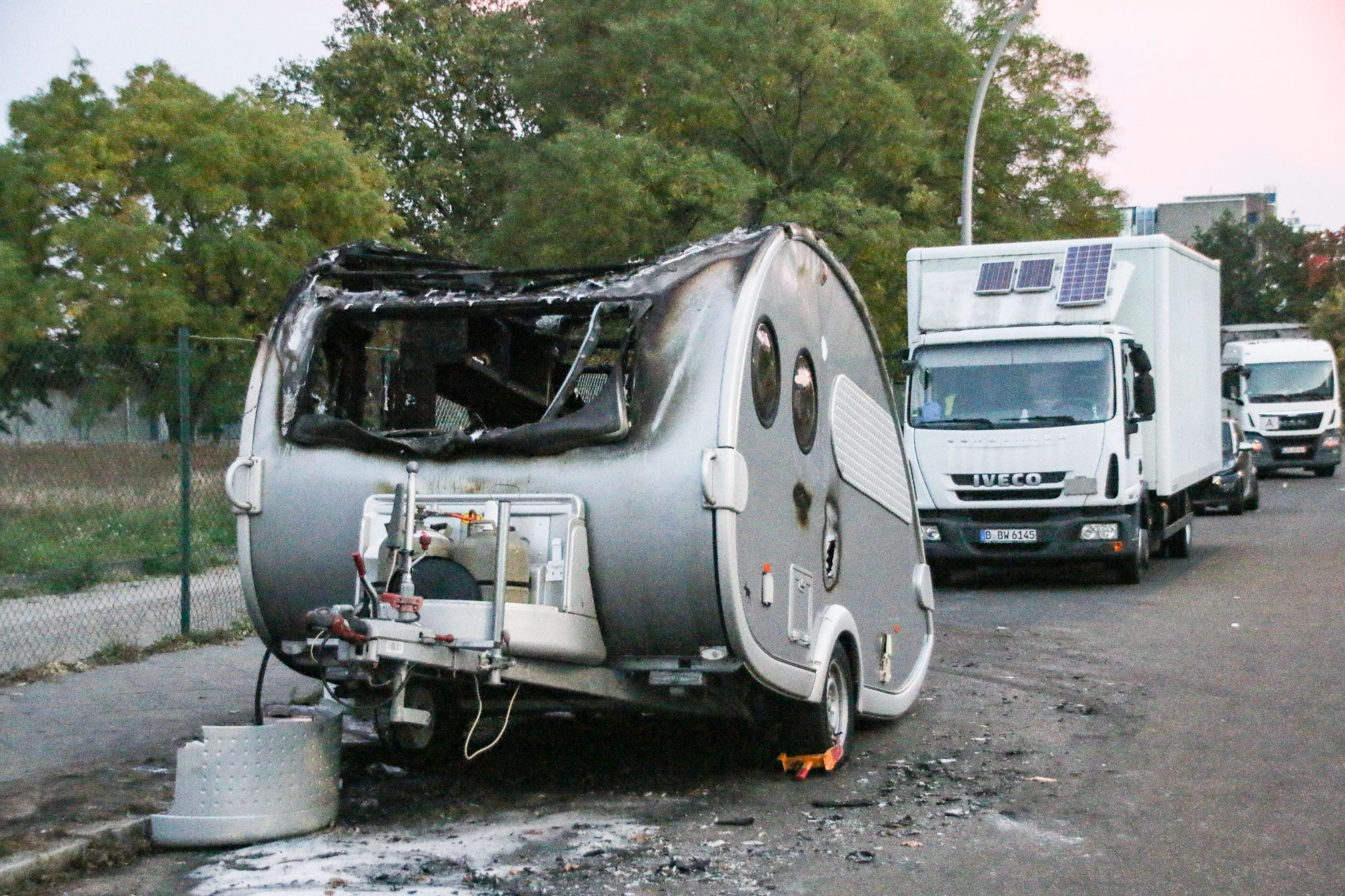
Every driver can benefit from having the backup of extra fire protection should the worst happen, but certain vehicles and applications benefit from having a car fire extinguisher more than others. If your vehicle is more prone to fire risk due to the environment it works in or travels through, carries extra equipment, or spends any time travelling off-road or away from main services, having an extinguisher can offer extra peace of mind.
Truck fleets and tradespeople who spend their working days travelling in vehicles full of tools, machinery or equipment will often fit vehicle fire extinguishers as part of their overall business safety measures. Awnings, Caravans and campervans should also consider a fire extinguisher as part of their onboard safety equipment due to electrical wiring, cooking equipment, batteries and LPG all coming into close contact with one another in a confined space.
4WDs and off-road vehicles, motorsport participants, and owners of classic cars or older models might also benefit from the added protection of a fire extinguisher due to the environments they frequent or the extra care needed for older mechanical and electrical components. As with off-road drivers, motorists who frequent remote regions may appreciate the peace of mind that comes from knowing you have a purpose-mounted fire extinguisher on board if emergency services are a long way away.
When it comes down to it, if you drive, you can carry a fire extinguisher. The decision really hinges on knowing your car, how you drive it, and the level of security you'd prefer if a situation calls for it.
A caravan fire extinguisher is especially important, as caravans often contain cooking appliances, electrical systems, batteries and gas cylinders that present additional fire risks.
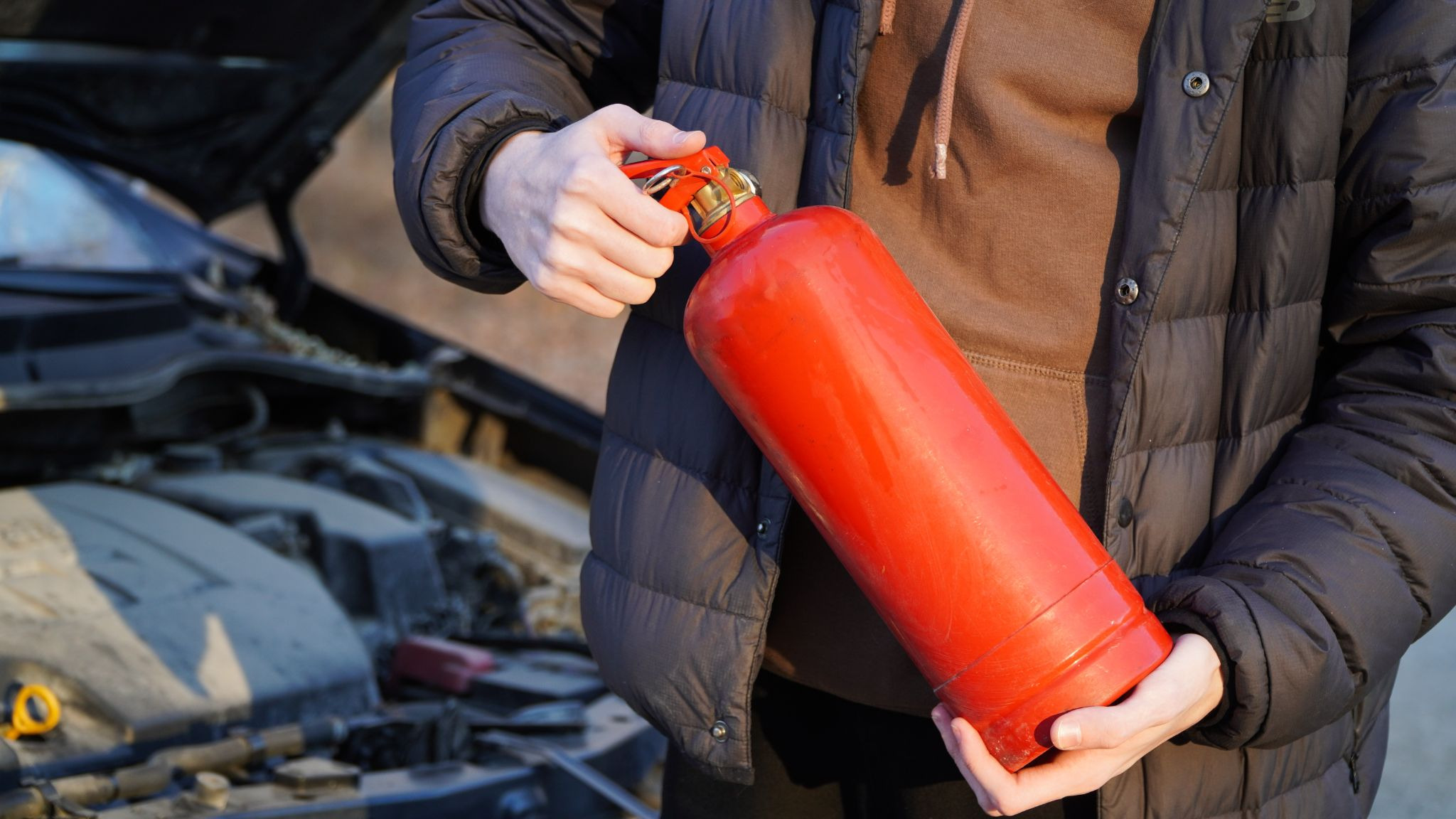
Not all fire extinguishers can be used on vehicle fires. That's why selecting the correct type of fire extinguisher is one crucial step in getting your vehicle ready for an emergency situation. Different extinguishers work with different fuel types, so the best option depends on what fire risks you are likely to encounter.
ABE Dry Chemical Powder extinguishers are recommended as the most suitable fire extinguishers for your vehicle for most Australian motorists. They offer coverage over a range of potential risks including combustible material fires, flammable liquid fires and electrical fires.
Dry chemical extinguishers are often suggested as the best option for vehicles as they cover a wide range of fire types.
An ABE extinguisher can be used on:
Because they cover all these areas, ABE extinguishers are one of the most suitable options for most passenger vehicles, work vehicles and recreational vehicles. When selecting an extinguisher for electrical fires, it is important to ensure that the extinguisher is rated to deal with electrical risks, but also to assess what other fire risks are present.
Due to the nature of vehicles, more than one fuel source can be involved in a fire. An engine bay fire for instance could involve electrical parts, fuel systems, plastic components and more. An ABC Dry Chemical Powder gives you a wider range of response options.
CO₂ extinguishers are popularly placed around sensitive electrical equipment because they leave no residue behind. It is common to find them permanently mounted around server rooms, electrical equipment and anything else where powder contamination can create further damage.
CO₂ extinguishers are not always ideal for general-purpose vehicle fire extinguishers. They work well against certain types of electrical fires as well as flammable liquid fires but they have some drawbacks when used on vehicles.
CO₂ generally has shorter discharge times, does not work as well on some fuel-based fires and adds no cooling component to the material on fire. This can leave a greater chance for the fire to reignite if the material is still hot.
For most drivers, an ABE Dry Chemical Powder fire extinguisher will provide the most protection against the variety of risks found in vehicles. As with any recommendation, always match the extinguisher to the risk, use of the vehicle and surrounding environment.
Figuring out the right size means weighing how easy it is to handle against how well it puts out fires. For most passenger cars, an extinguisher offers enough capacity to be effective, yet is small enough to be safely mounted inside the vehicle. Bigger vehicles can often benefit from using a 2kg extinguisher.
Below is a comparison table.
If you're searching for the best fire extinguisher for a car, a quality 1kg ABE extinguisher is usually the best balance between size, accessibility and effectiveness.
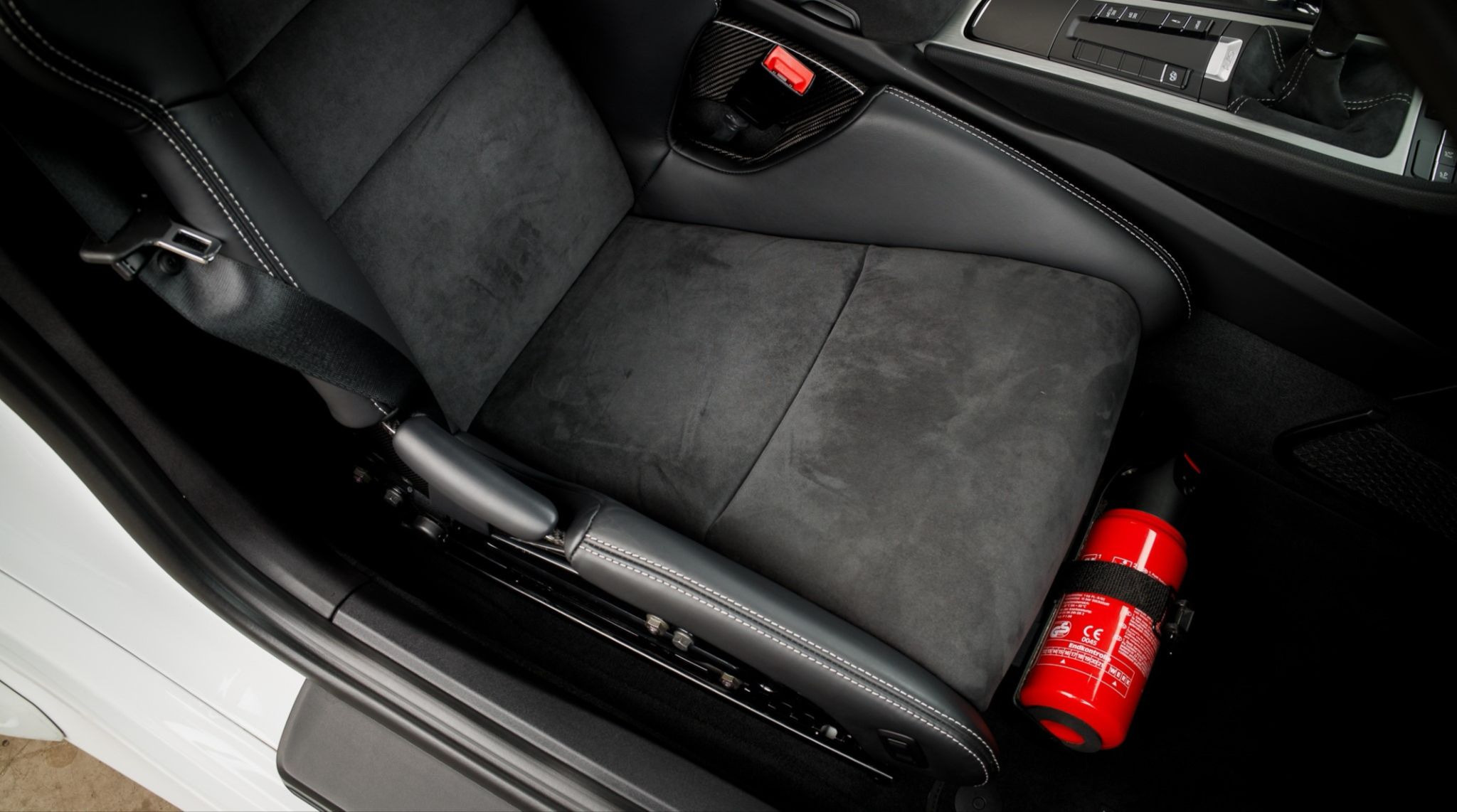
Selecting the correct car fire extinguisher mount is as important as choosing the right extinguisher for the job. It’s great to have a fire extinguisher on hand for peace of mind but if it’s not mounted properly it will be difficult to grab and use during an emergency.
If your extinguisher is loose in your vehicle it can also pose an extra safety risk. If you brake hard, hit something, or crash, an unsecured extinguisher could go flying and hurt someone or wreck your car.
Ideally, you’ll want to mount your extinguisher under a driver's seat, behind a front seat, securely in your boot or mounted to the floor with an appropriate bracket. This will vary depending on your vehicle type, space restrictions and how your vehicle is used.
Wherever you decide to install your extinguisher, we recommend that it:
Ensure that no luggage, tools, or equipment are placed on top of your extinguisher. During a fire, you want your extinguisher to be the first thing you see and accessible immediately, not something you have to dig out from under other items.
Having your fire extinguisher professionally installed will help guarantee it’s safely secured and positioned correctly for your vehicle. At Alexon, we can help you select and install the right fire protection equipment to meet Australian Standards and the risks you may face.
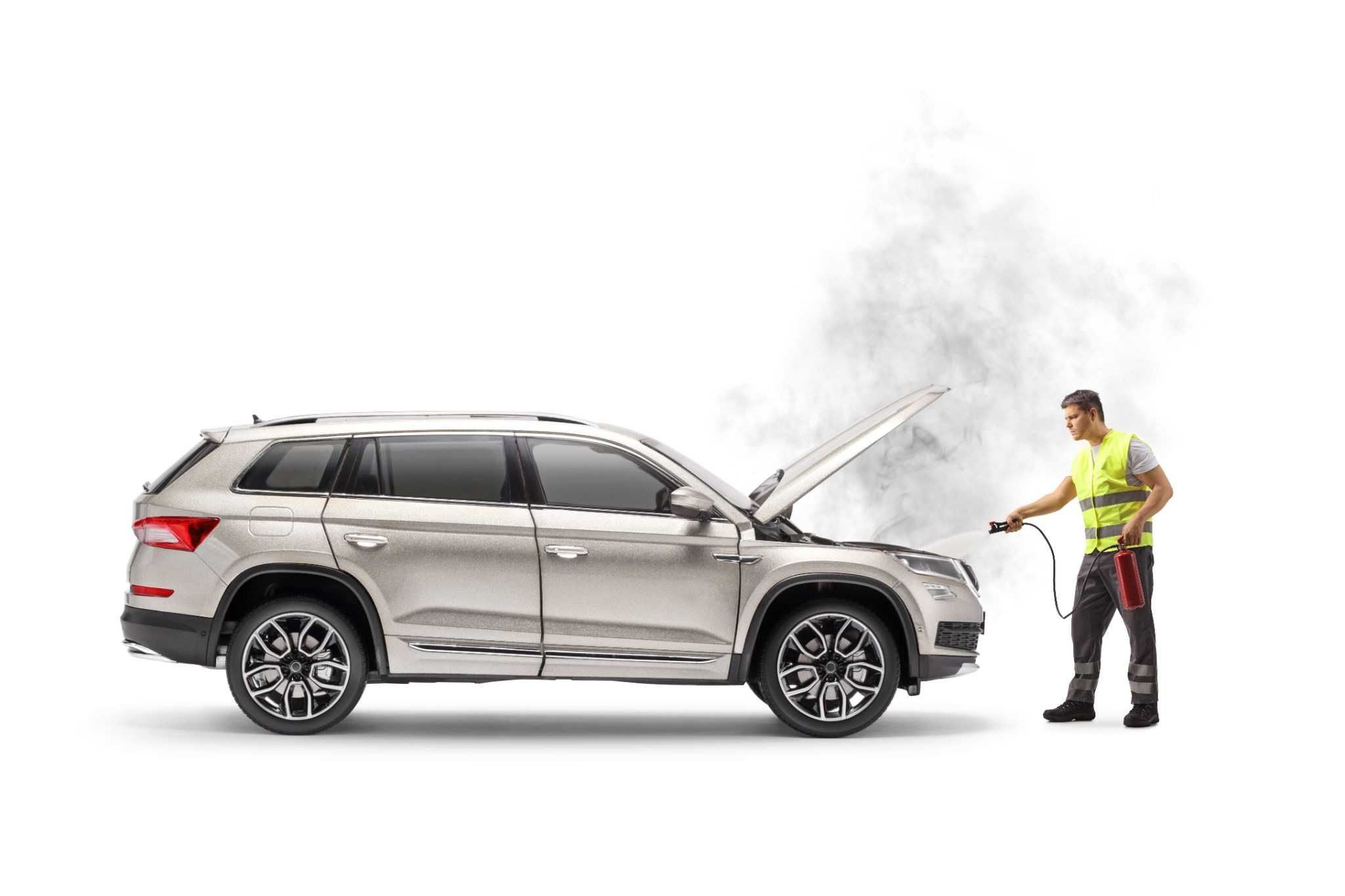
Your safety, and that of your passengers and bystanders, is paramount if you ever find yourself faced with a vehicle fire. A fire extinguisher can be used to try and control a small fire but should never place you in danger.
If the fire is minor and you can safely approach it, drive your vehicle to a safe place if possible, turn off the engine, remove your passengers and call 000. Use your car fire extinguisher only if you have a clear exit, the fire is small and you can reach it without endangering yourself.
Most portable fire extinguishers can be operated using the PASS technique:
Pull the safety pin to activate the extinguisher.
Aim the nozzle or discharge hose at the base of the flames, rather than the top of the fire. Squeeze the handle to release the extinguishing agent.
Sweep from side to side across the base of the fire until the flames are controlled.
Do not open the bonnet fully if you see smoke or flames coming from the engine compartment. This will only supply the fire with more oxygen and could cause the fire to flare up. Open it partially and carefully keep a safe distance if it is safe to do so.
Remember, fires can rapidly accelerate when fuel, electricity or any pressurised components are involved. If the fire doesn't go out quickly, produces too much smoke or becomes difficult to control then evacuate the area around your vehicle and wait for emergency services.
Think of your fire extinguisher as a first line of defence. Do not rely on it to replace the expertise of professional firefighters. Use your best judgment to determine when it can be effective and when to get to a safe distance.
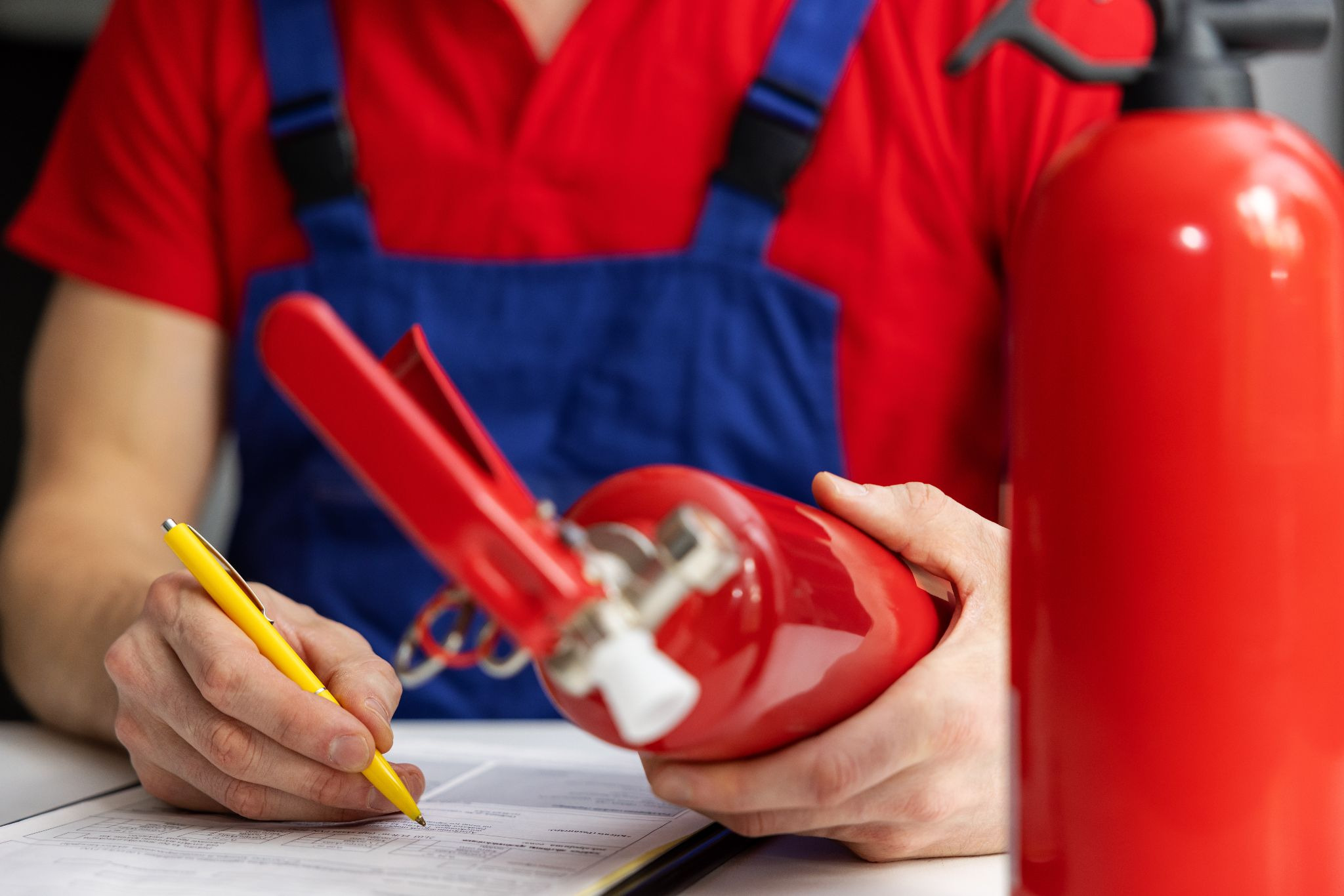
If your car fire extinguisher isn’t properly maintained, even the best small fire extinguisher for your car won’t perform dependably when you need it most. Vehicle fire extinguishers, like any other type of safety equipment, require routine maintenance and inspections to help keep them in proper working order.
Regular visual inspections of your vehicle's extinguisher can help you spot any visible problems before they affect performance. When you do these checks, be sure to inspect the unit for any damage or corrosion, see if the safety seals are broken, check the pressure gauge for accuracy, and ensure the mounting bracket is still securely attached. If the extinguisher has been damaged, knocked loose or subjected to extreme environments, it may not function properly when you need it to operate in an emergency situation.
Visual inspections should never be used as a substitute for professional vehicle fire extinguisher maintenance however. All portable fire extinguishers should be regularly serviced by a qualified professional according to Australian Standards to ensure they remain compliant and in good working order.
Having your extinguisher professionally serviced will verify that the unit will still operate correctly, is pressurised appropriately and that the internal components have not degraded. It also ensures your equipment continues to meet all compliance requirements. Fire extinguishers used in vehicles are susceptible to vibration, rapid temperature fluctuations and other environmental conditions that can compromise their condition.
If your extinguisher has ever been discharged for any reason, it’s important to have it professionally inspected and serviced or replaced before putting it back into service. Proper maintenance can go a long way towards helping your fire extinguisher last longer and ultimately keeping it reliable when you need it most.
Alexon offer professional fire extinguisher servicing and maintenance to help ensure your equipment is always compliant, dependable and ready to perform when the time comes.
While carrying a car fire extinguisher isn't compulsory in Australia for most private vehicle owners, we can't deny the reassurance that comes with travelling with one on board. A properly fitted, maintained ABE dry chemical fire extinguisher offers you the greatest opportunity to successfully extinguish a small fire in your vehicle before it gets out of control.
When it comes to protecting your family car, company vehicle, caravan or vehicle fleet, selecting the right extinguisher is just half the battle. Installation, regular testing and diligent maintenance are equally critical to ensuring you can rely on your fire extinguisher should the need arise.
Alexon supplies, installs, inspects and maintains portable fire extinguishers for commercial, industrial and specialty vehicles all over Australia. From helping you choose the correct fire extinguisher for your vehicle to scheduling regular servicing, contact us for assistance.
Complete the form to request a call
from a friendly Alexon team member.


