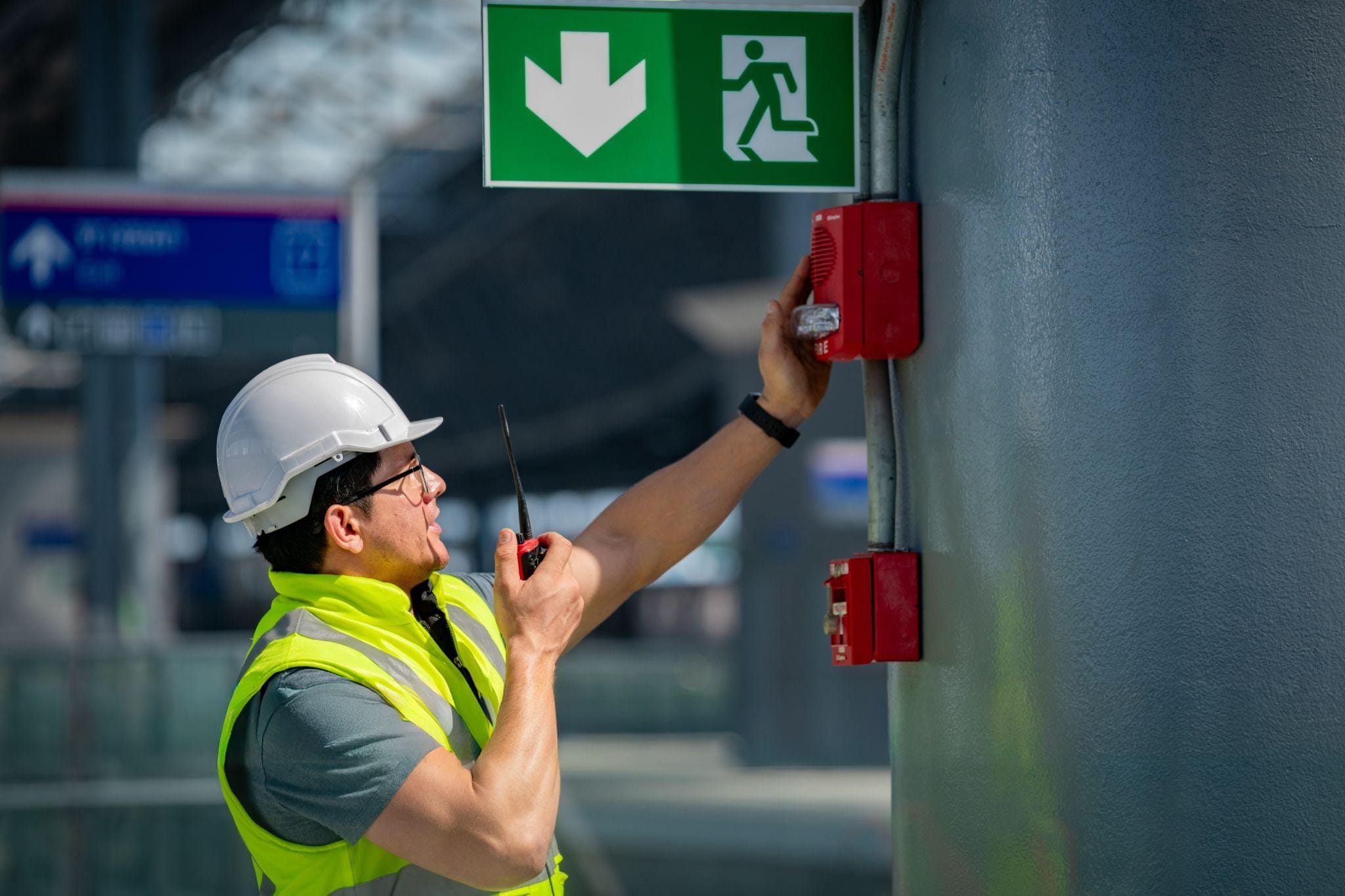
A fire safety inspection can feel like another compliance task to fit into an already busy building management schedule. But an inspection is about more than checking a few pieces of equipment and ticking a box. It is an opportunity to verify that the fire safety measures protecting your building and its occupants are present, maintained and capable of performing as intended.
For building owners, strata managers, facility managers and commercial landlords, understanding what happens during a fire safety inspection can make the process much easier. You should know what an inspector will look at, what documentation may be required and what happens if defects are identified.
The exact inspection process will depend on your building, its fire safety systems and the requirements that apply to the property. In Victoria, these requirements can also interact with the building's occupancy permit and Essential Safety Measures obligations. Australian Standards such as AS 1851 provide requirements for the routine inspection, testing and maintenance of many fire protection systems and equipment.
If your building is due for an inspection, preparing beforehand can help identify issues before they become a larger compliance problem.
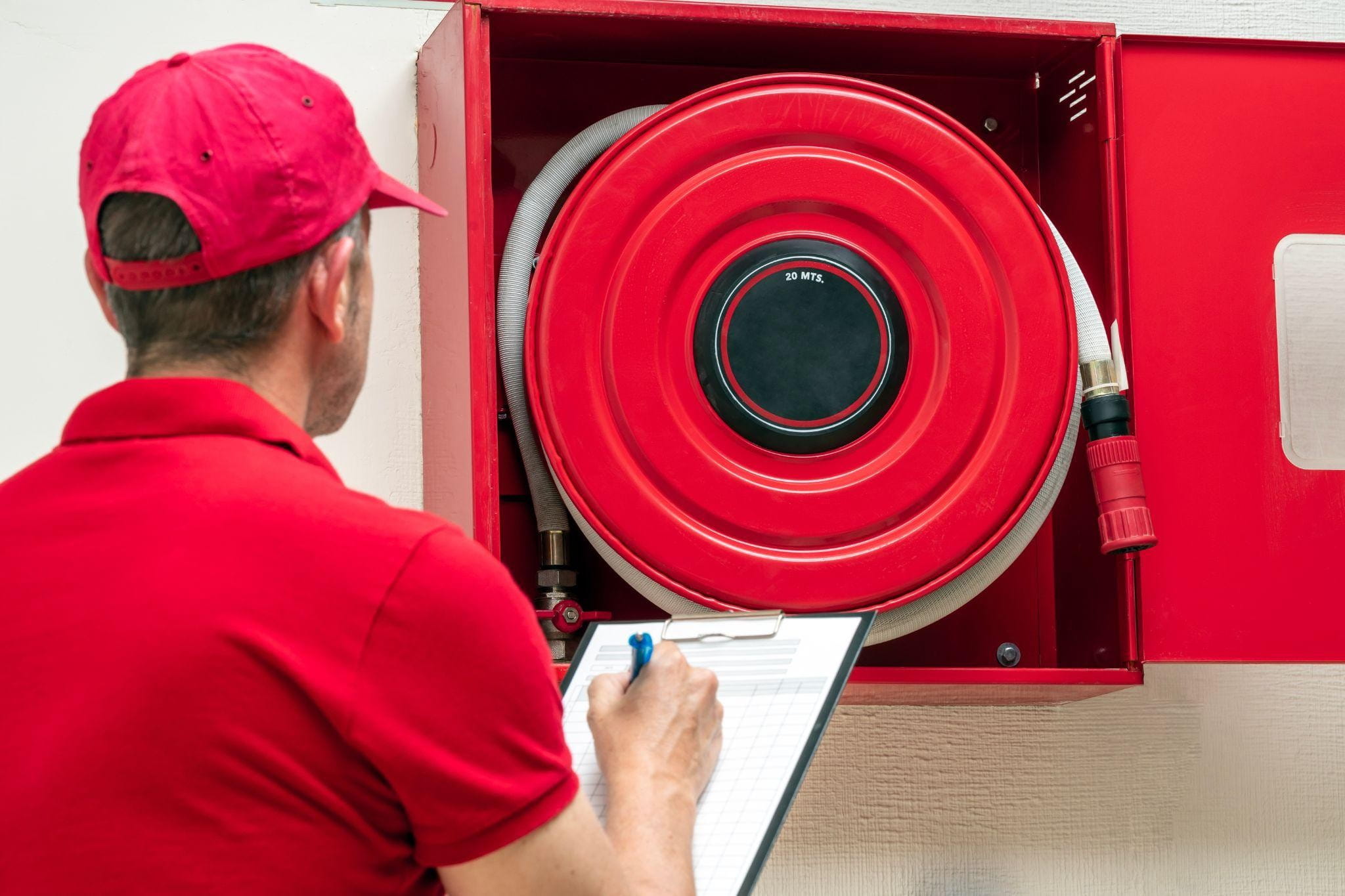
A fire safety inspection is an examination of fire safety features, equipment, systems and related documentation in abuilding to see if they are adequate and in good working order. It may include a physical inspection of fire extinguishers, fire doors, emergency lights, firealarms, sprinklers, hydrants, and hose reels.
Inspections can also include ensuring clear access to exits, proper signage, evacuation information and maintenance documentation. The goal of the inspection isn't to pick things out wrong with the building.
Conducting a comprehensive fire safety inspection allows you to see if everything that you and your tenants may need to survive an emergency is ready to operate if needed. Fire safety inspections will vary from building to building. A small commercial property will have different requirements than a skyscraper, inner-city building, shopping centre, or industrial factory.
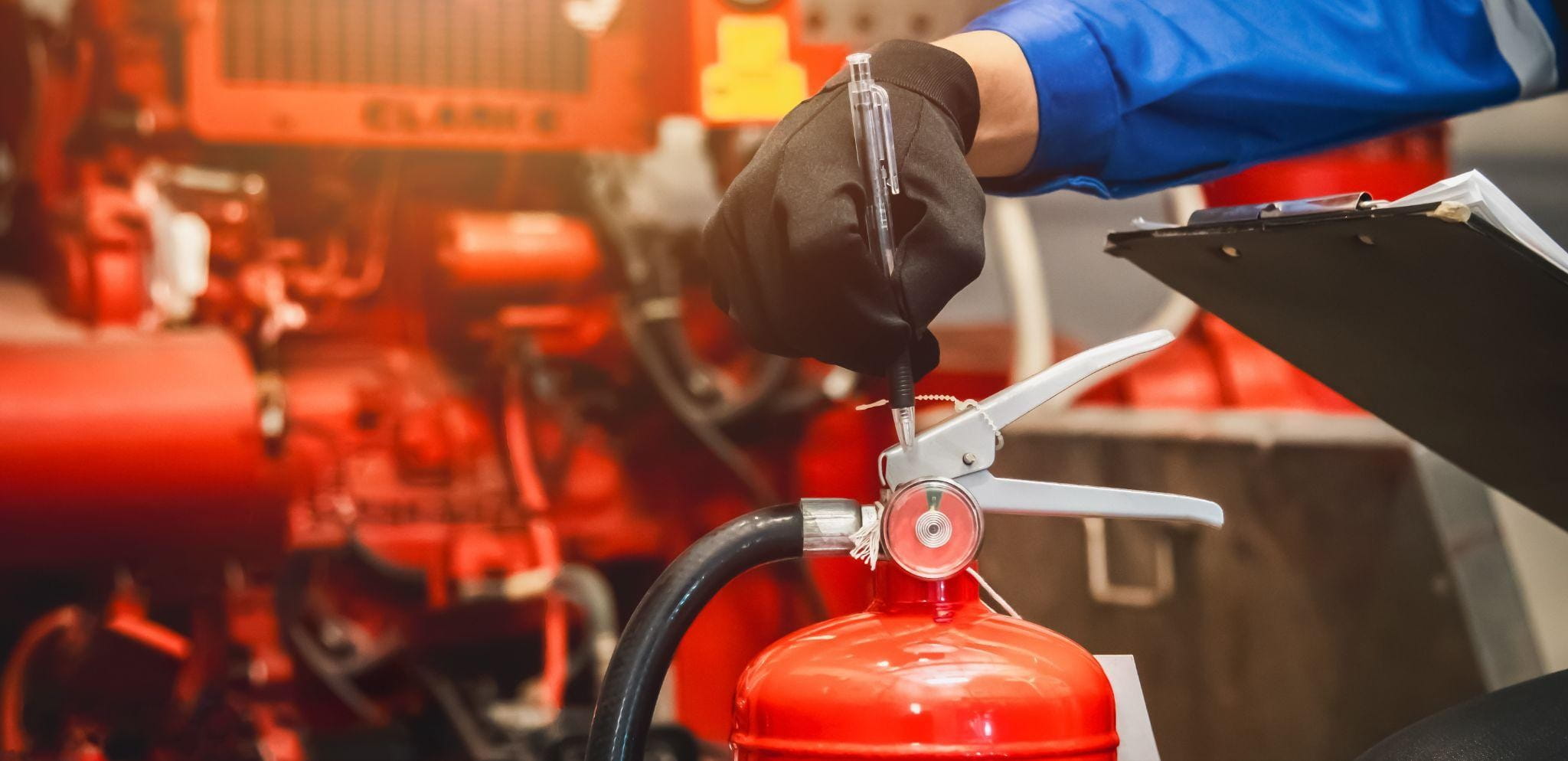
Fire safety responsibilities depend on where your building is situated, what classification it falls under, how it's used and what fire safety measures are already required. Owners and managers cannot assume that just because equipment was installed and working correctly when they first opened, it will always continue to be compliant.
Fire safety systems should be regularly inspected, tested and maintained. In Victoria, Essential Safety Measures are a key component of your ongoing building safety duties. Additionally, various Australian Standards dictate maintenance regimes for systems.
Australian Fire Safety Standards outline requirements for inspection, testing, and preventive maintenance for various fire protection systems and equipment. Consider your building's occupancy permit, maintenance records and any applicable regulations to determine what inspections and testing are needed.
A bit of forethought can go a long way to simplifying an inspection. Firstly, familiarise yourself with your current fire safety file and maintenance documentation. Ensure unobstructed access for inspectors to all required locations and equipment for the inspection process. Fire doors must be kept clear, fire safety gear needs to be readily available, and plant rooms, fire panels, and similar restricted spaces should be open when required.
It may also be useful to consider if anything has changed since your last inspection. Have you refurbished a tenancy? Altered the building's layout? Installed extra walls, storage, cabinets or equipment? Changed the usage of part of the building? All of these changes can impact fire safety systems and escape routes. An inspection should account for the current building, not the building from several years ago.
Maintaining up-to-date maintenance records is also key. Alexon's Essential Safety Measures reporting service offers documentation of inspections, completed maintenance tasks, defects found and recommendations. It helps building managers keep fire safety documentation clean and easy to navigate.
The exact checklist depends on the building and its fire safety requirements, but an inspection can cover a broad range of systems and measures.
Fire doors slow the spread of fire and smoke and protect means of escape. They can be inspected for condition, operation and hardware, as well as surrounding areas that may affect their ability to function properly.
Exit doors should also be clearly marked, and paths of travel should be kept free of obstructions. Over time, storage, furniture, building works or tenancy fit-outs can create blockages that were not considered when the building was originally designed.
Equipment such as fire extinguishers and firehose reels should be readily accessible and located correctly. Maintenance checks can highlight damaged equipment, incorrect placement, missing labels and servicing issues. Inspectors may also look to see if extinguishers, hose reels and other equipment is blocked by stock, furniture or otherwise kept inaccessible.
With expertise in fire equipment, Alexon performs testing and maintenance, guaranteeing compliance with all applicable Australian Standards, including AS 1851.
Fire alarms and detection systems form another important aspect of fire safety within buildings. Fire indicator panels, detectors, alarm initiating devices and related equipment may be inspected to highlight faults or deficiencies which could impact the system's operation.
The functionality of these systems is key, because a fire alarm is ineffective if its signal isn't alerting those inside.
Sprinkler systems, sprinkler pumps and fire hydrants may also be checked where applicable. Like other fire safety equipment, these should be maintained to ensure they operate properly when needed. Inspectors might find damage, issues with visibility, malfunctions, or other maintenance concerns.
Should the primary lighting in your building fail, emergency lighting will keep things illuminated, and exit signs will guide you to the quickest escape.
Inspectors will assess the lights for their condition, how they function, and how well they can be seen. Ensure emergency lights and exit signs are placed correctly to give adequate lighting to the path of travel to an exit. Alexon provides emergency lighting services that comply with applicable standards, including AS 2293.
Fire safety inspections can also highlight problems with signage, evacuation plans and other information occupants rely on during an emergency.
An evacuation diagram should reflect the building's current layout, including relevant exits, evacuation routes and fire safety equipment. If the building has changed since the diagram was produced, it may no longer provide accurate guidance.
Some problems are relatively simple to identify, while others can indicate a larger issue with how a building's fire safety systems are being managed.
Common issues can include:
These issues are often the result of gradual changes rather than deliberate neglect. A tenancy is renovated, storage is moved, a door is replaced or a building changes how it is used. Over time, the physical building can stop matching its original fire safety documentation.
That's why regular inspections are so important.
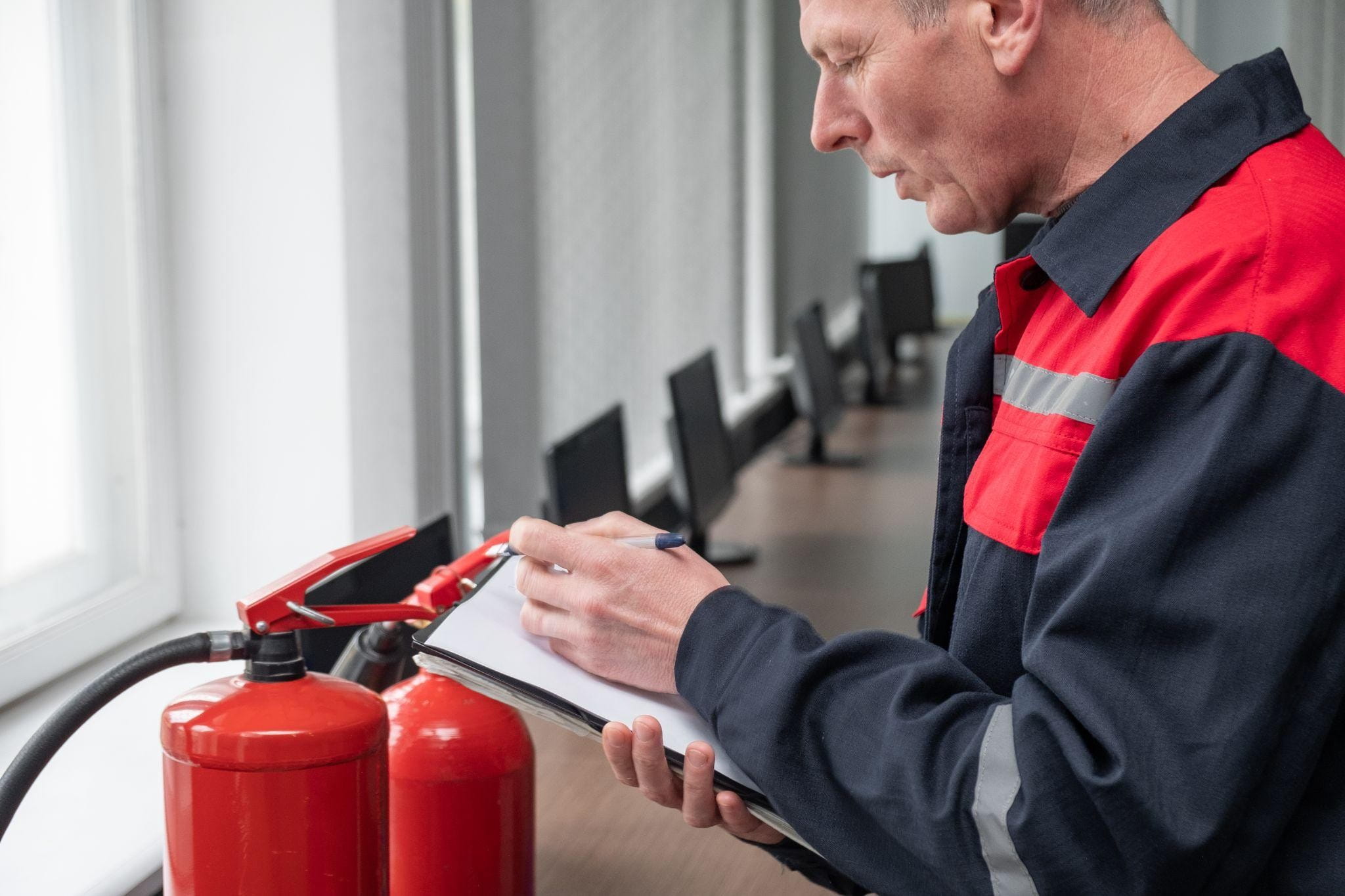
Once the inspection is complete, the findings should be documented. Depending on the inspection and the building's requirements, this may include a report identifying compliant items, defects, recommendations and any maintenance or rectification work required.
Not every defect means the same thing. Some issues may require immediate attention, while others can be addressed through planned maintenance. The important thing is that identified problems don't simply disappear into a report. Building managers should understand what needs to be rectified, who is responsible for the work and whether follow-up inspection or testing is required.
Alexon's inspection and reporting systems provide building managers with access to inspection results, defects, repairs, recommendations and maintenance information, helping make the next steps clear.
If you're managing a building in Victoria, you may come across several different terms for fire safety inspections and compliance documentation. A fire safety inspection, fire safety certificate and Annual Essential Safety Measures Report (AESMR) are related, but they aren't the same thing.
We use Annual Essential Safety Measures Report (AESMR) when talking about Victorian certificates. However, if you search for “AFSS certification” or “annual fire safety statement”, you will likely see NSW-based information.
What’s most important to know is there’s not a standard Australia-wide certificate known as a “fire safety inspection certificate”. The certificate you require depends on your building, location, classification and what essential safety measures apply to it.
When it comes to Melbourne buildings, it’s critical you understand your Victorian documentation requirements for reporting and maintenance. An inspection form is one piece of the puzzle. Proactively maintaining and documenting your essential safety measures all year-round is what keeps your fire safety up to date.
There is no set price for a fire safety inspection and any resulting certificate. Prices vary depending on factors such as the size and complexity of the building being inspected, how many fire systems are installed, how many floors and tenancies there are, access to equipment and how thorough the inspection, testing or reporting needs to be.
A basic commercial property with few systems will typically have a completely different scope of work than a large apartment building with multiple fire suppression systems including fire panels, sprinkler systems, fire hydrants, emergency lights, etc.
Any costs for rectifying defects should also be considered separately to the fire safety inspection. Rather than simply looking for the lowest inspection price, building owners should be sure they know exactly what is covered in the scope of works and what documentation they will receive.
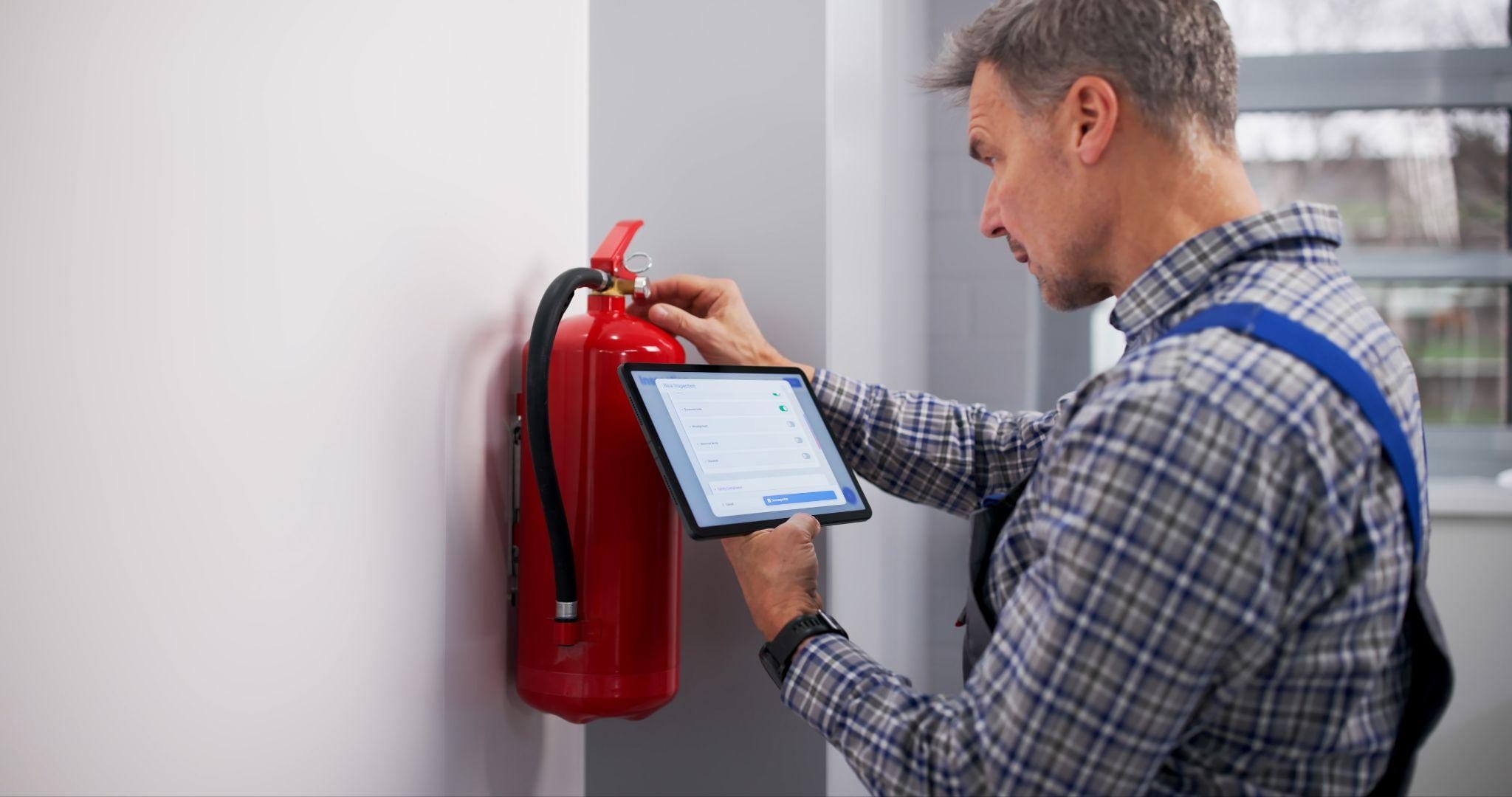
There is no set frequency that covers all fire safety systems and all buildings. Requirements vary according to the type of fire protection measure. AS1851 sets out scheduled service requirements for various fire protection systems and equipment.
Some equipment may need more frequent inspection or testing than annual intervals, and therefore an annual inspection should not be considered as an alternative to regular maintenance during the year.
Refer to your building's relevant regulations, occupancy requirements, fire safety schedule and maintenance standards to determine the correct inspection and service schedule.
A fire safety inspection should do more than produce another report for your records. It should give you a clear understanding of whether your building's fire safety measures are being maintained and whether any issues need to be addressed.
At Alexon, we work with building owners, facility managers and strata managers to inspect, test and maintain fire safety systems across Melbourne. Our services cover fire alarms, emergency lighting, fire doors, extinguishers, sprinklers, hydrants and other essential safety measures.
If you're due for an inspection or aren't sure whether your current fire safety systems and records are up to date, contact Alexon about booking a fire safety inspection and keeping your property ready to meet its fire safety obligations.
Complete the form to request a call
from a friendly Alexon team member.


