
A fire extinguisher can provide an important first response during a fire, but having the right equipment on site is only part of the equation. If an extinguisher is difficult to locate, obstructed by stock or positioned too far from a potential fire hazard, it may not be accessible when someone needs it.
For business owners, facility managers and commercial property operators, correct fire extinguisher placement is an important part of maintaining a safe and compliant building. Equipment needs to be suitable for the risks present, positioned where occupants can access it and installed in accordance with the relevant Australian requirements.
Getting placement right involves more than simply deciding where an extinguisher will fit. There are specific requirements around location, accessibility, spacing and signage that need to be considered.
Understanding where extinguishers should be located, how far apart they can be positioned, and what signage is required helps ensure your fire protection equipment is practical and compliant.
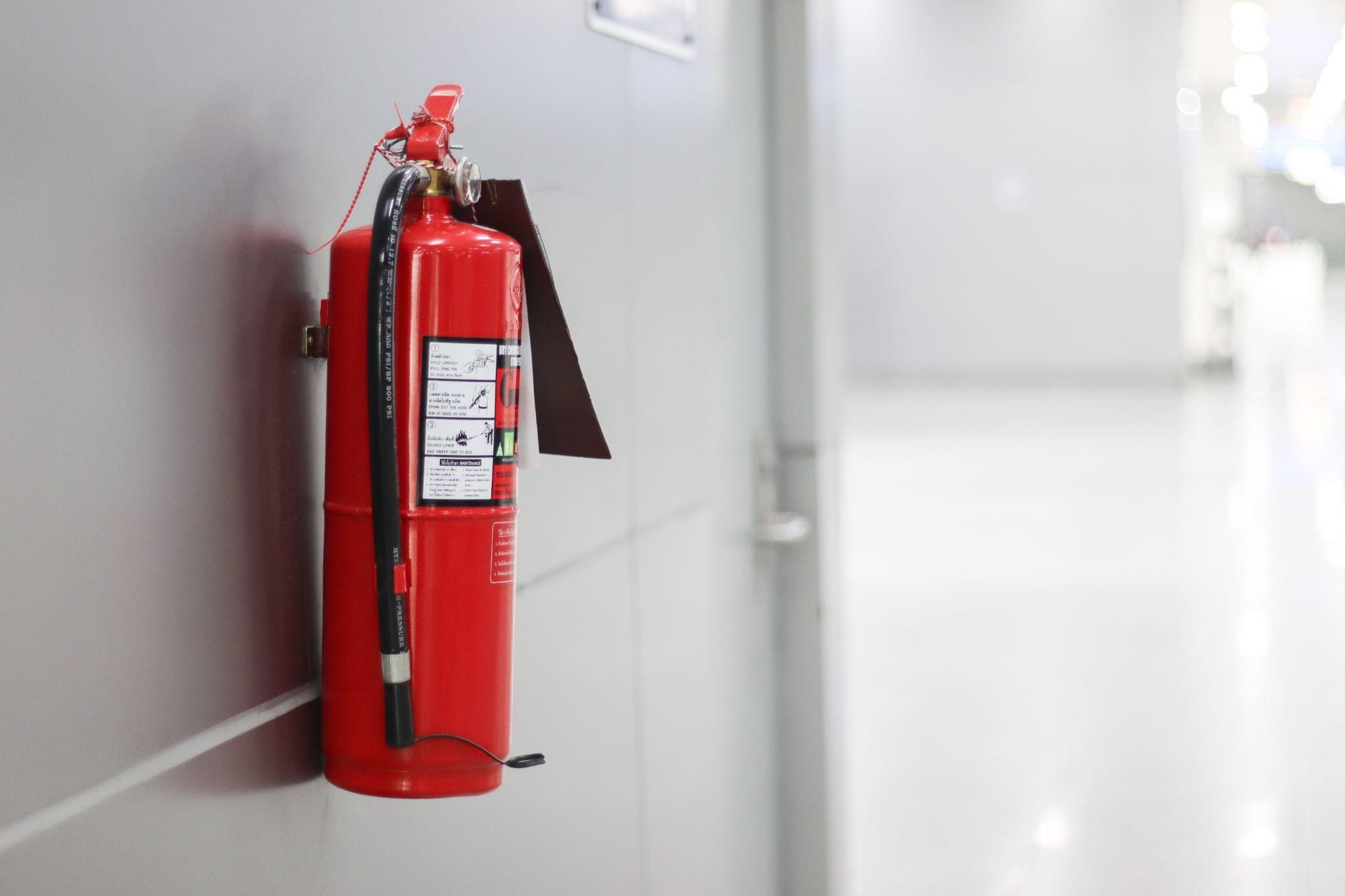
Fire extinguisher placement involves more than finding a good wall or placing them near an exit. You need to know whereto place them, at what height they should be mounted and how visible they are throughout a building.
You want the occupants of your building to know where to find the correct extinguisher and be able to get to it without travelling too far or getting closer to a fire.
Correct placement considers several factors:
Extinguishers should be positioned inaccessible locations that reflect the potential fire hazards throughout the premises. Placement should account for the building layout, normal travel paths, and areas where fires are more likely to occur.
Equipment should be easy to identify, with appropriate location signage where required. Signs help occupants locate extinguishers quickly, particularly in larger buildings or areas where equipment may not be immediately visible.
Install extinguishers at a suitable height so occupants can access them safely. Mounting arrangements should comply with AS 2444 and account for the equipment's size and weight.
Equipment should remain unobstructed andaccessible. Placing extinguishers behind furniture, stock or machinery candelay access during an emergency and undermine their effectiveness.
The extinguisher type must match the materials and fire risks in the surrounding area. Different fire classes require different extinguishing agents, so selection needs to account for the hazards present.
These considerations work together. An extinguisher may be correctly mounted but still be poorly positioned if it cannot be easily identified or reached.
In Australia, AS 2444, Portable fire extinguishers and fire blankets– Selection and location, provides the principal guidance for selecting andpositioning portable fire extinguishers and fire blankets.
It outlines the equipment required fordifferent fire risks and the distances they should be positioned apart to allowquick access in an emergency. If you are trying to work out how to have fireextinguishers installed in your business, this is a good standard to follow.
You will also need to consider your stateand territory's regulations on where fire extinguishers can be placed. This mayvary depending on your property and usage, as well as conditions of approval.
The Fire Protection Association Australia(FPA Australia) is an industry body that provides fire protection informationand resources. Its guidance can help property operators understand their firesafety responsibilities, but the applicable Australian Fire Safety Standards and relevantregulatory requirements should remain the basis for installation decisions.
As a business, you need to make sure youhave the correct fire extinguishers for your premises, and that they areinstalled correctly and maintained.
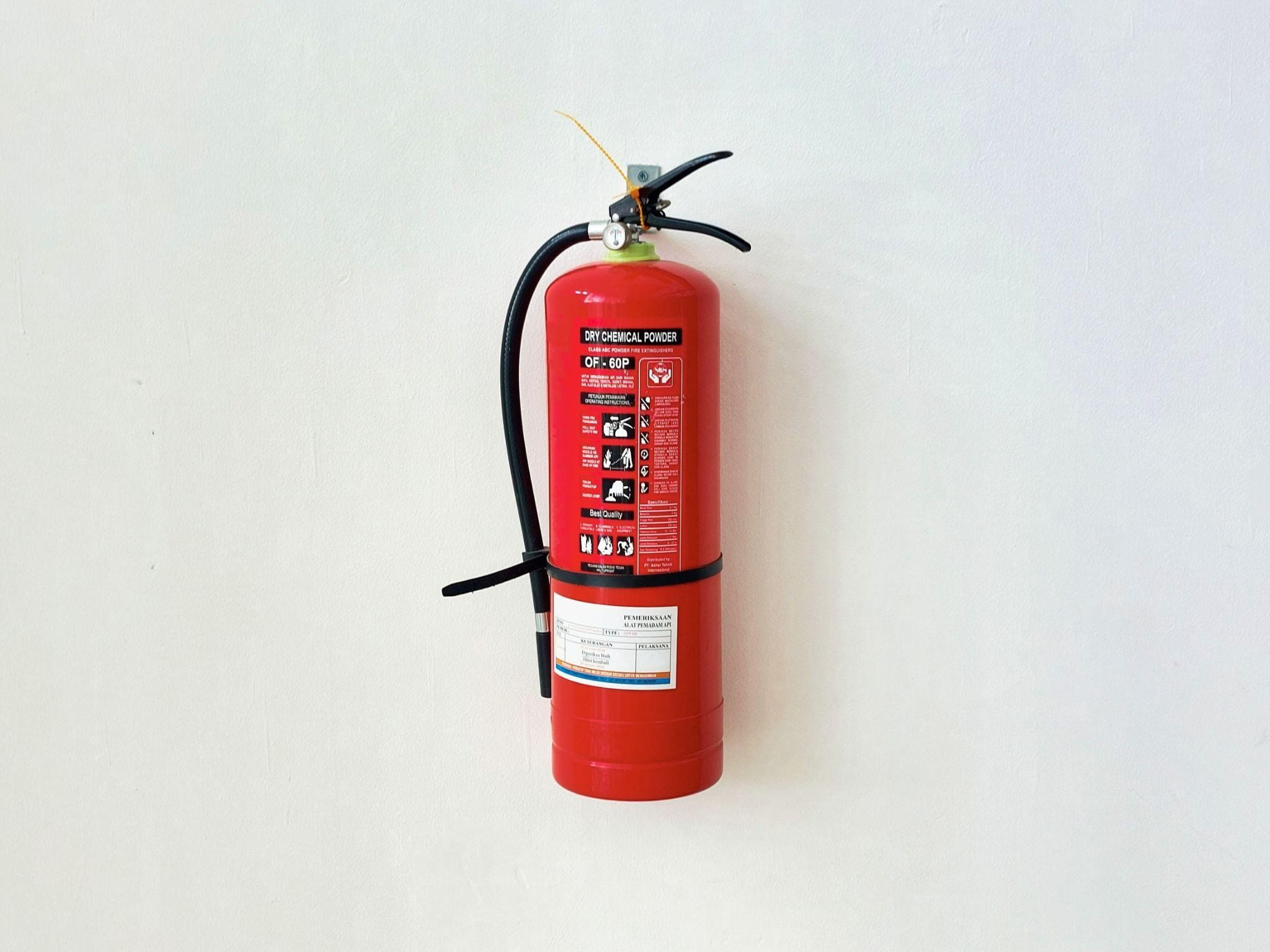
The distance between fire extinguishers is an important consideration when planning their placement. Equipment needs to be distributed according to the hazards present, the building layout and the relevant requirements under AS 2444.
There is no single number that will fit all buildings. It varies based on the building's fire hazards. What class and rating of extinguisher you need, how much square footage you have and travel distance.
For example, an office with ordinary combustible materials will have different fire protection requirements from a commercial kitchen or warehouse storing flammable liquids.
When assessing extinguisher locations, consider:
Extinguishers should be placed in areas of normal travel and close to exits if possible. This allows the user to easily find and access the correct fire extinguisher without travelling too close to the fire.
AS 2444 provides mounting requirements to make portable fire extinguishers accessible while keeping them clear of the floor.
The commonly specified mounting limits are:
There are also signs to consider. Location signs should be mounted a minimum of 2,000mm off the ground and should be visible from all approaches to the fire extinguisher up to 20 metres away. Depending on your requirements, this may vary.
They should also be mounted correctly for the size and weight of the fire extinguisher and as directed by the manufacturer. This will allow them to be safe, easily identified and able to be reached by those in the building.
The right placement strategy depends on how a building is used and the fire hazards present. A layout that works for a small office may not provide adequate coverage in a warehouse, workshop or commercial kitchen.
Offices typically contain combustible materials such as paper, furniture and general office equipment, alongside electrical equipment and kitchen facilities. These different fire risks need to be considered when determining where extinguishers should be positioned.
Electrical fire risks are particularly relevant in areas containing computers, printers, server equipment and other electrical installations. A suitable extinguisher needs to be selected for the potential hazard, with dry chemical extinguishers commonly used for certain electrical fire risks, depending on the equipment and circumstances.
For effective fire extinguisher placementi n an office, avoid hiding equipment behind desks, partitions or storage units. A fire warden should be appointed, and staff should also know extinguisher locations and understand which equipment suits different fire risks.
Warehouses and industrial premises can contain a wider range of fire hazards, including combustible stock, packaging, machinery, flammable liquids and electrical equipment. The nature of these materials and activities will influence the type and distribution of required fire protection equipment.
Dry chemical fire extinguishers may suit several of these risks, depending on their classification and rating. Extinguisher placement needs to account for storage arrangements, machinery locations and access routes throughout the building.
High shelving, stockpiles and operational equipment should not obstruct access or prevent occupants from identifying fire protection equipment. As warehouse layouts and stored materials can change,extinguisher locations should be reviewed when the use of the premises or its fire risks change.
Due to the fact that oils and fats are used in cooking, we need to look at fire extinguishers that can be used on these types of materials. These are normally wet extinguishers, as they can be used on Class F fires (oils and fats).
Electrical items can be used within a kitchen, as well as cooking appliances and extractors. When picking a fire extinguisher, all of these points must be weighed up, and you should not assume that one extinguisher fits every scenario.
Suitable extinguishers should be positioned where staff can access them safely without having to approach a cooking fire unnecessarily. Placement should also account for cooking appliances, extraction equipment, and staff movement through the kitchen.
The number of fire extinguishers your premises may need depends on the size of the area, the types of hazards that could occur, and what AS 2444 requires. If you have a large building, you may need multiple fire extinguishers around it, or extra extinguishers that target specific hazards.
When assessing how many fireextinguishers you need, several factors should be considered:
There is no definite rule for the number of extinguishers per square metre for buildings. You should have your building assessed to the standard requirements in AS 2444 to allow for the correct fire risk to be identified.
If a building is fitted with the correct amount of extinguishers, they can still be rendered useless if they are not placed correctly. They should always be kept accessible, in view and appropriate for the hazards around them. Here are some common mistakes that are made when placing your equipment.
One of these mistakes is blocking off the extinguisher with furniture or other stock and machinery. This not only makes them hard to access in an emergency, but also fails to comply with AS 2444 if they are mounted too high or sitting on the ground.
If there is no signage or the signage is not in a prominent location, it can make it hard to find your extinguishers. This is more common in commercial buildings or where the line of sight is not clear. If the wrong type of extinguisher is installed for the hazards that are present, it can be rendered useless as well.
If there are any changes to the building, this can also cause problems. New machinery being installed, extra storage, or changes to what the building is used for can affect the current placement of your fire extinguishers.
A fire extinguisher placement assessment with one of our professional experts at Alexon can help identify these issues, and keeping your equipment placement up to date helps ensure it continues to protect your building from hazards and comply with requirements.
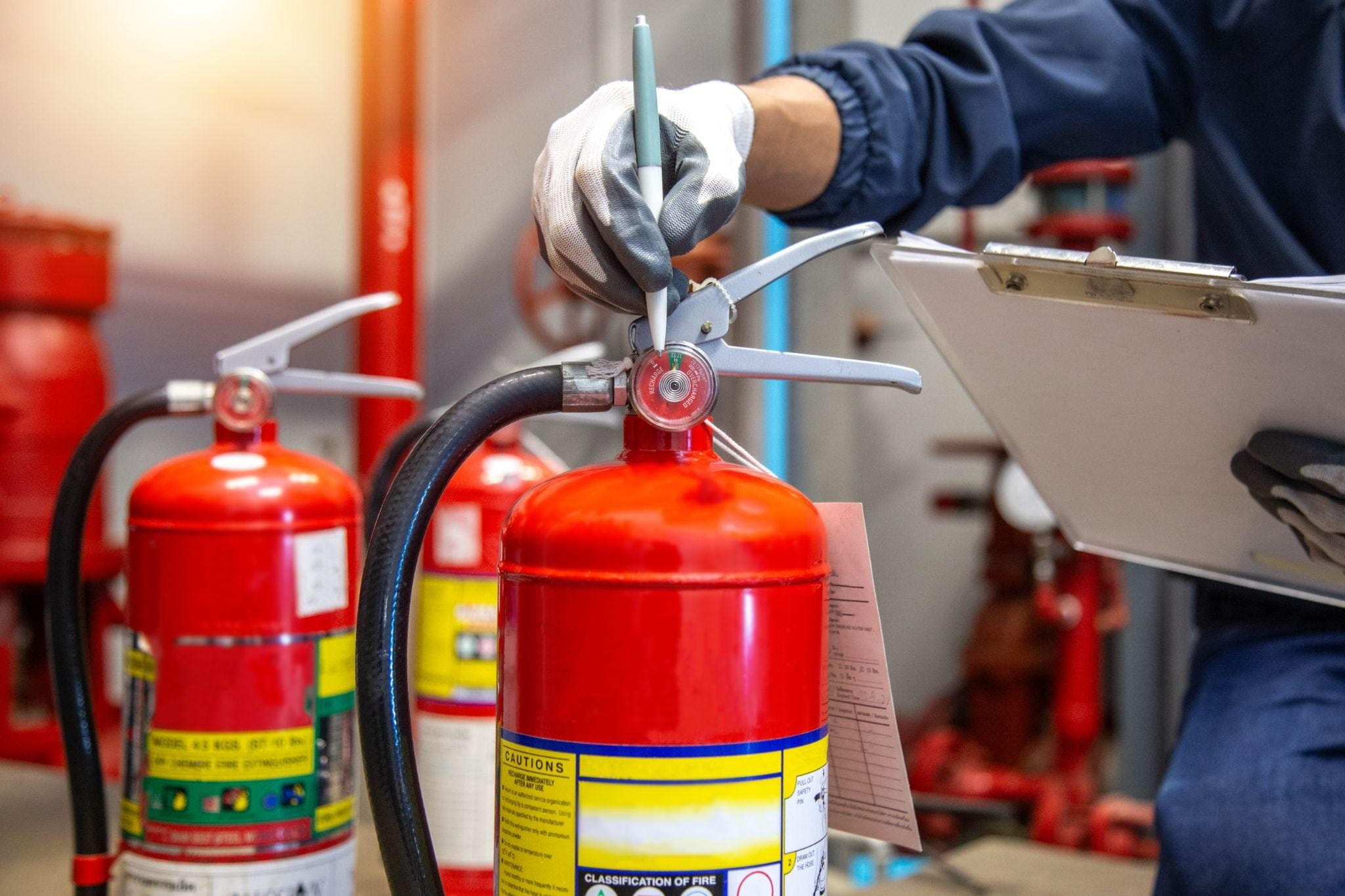
Proper fire extinguisher locations must be backed up by proper inspection and maintenance of those extinguishers. If they are damaged, blocked, relocated, or no longer appropriate for the building's hazards. Even properly chosen and installed extinguishers can become improper.
With proper inspection and maintenance schedules, you can detect if an extinguisher is damaged, corroded, missing parts, or no longer holds proper pressure. They should also be inspected to make sure they are still in view, accessible and in the correct location. If there are any changes to your facility, such as storage or business practices, your extinguishers may need to be relocated.
Under AS1851, portable fire extinguishers are subject to scheduled routine maintenance. This complements AS 2444, which addresses their selection and location. Building owners and facility managers need to account for both when managing their property's fire safety equipment.
If your extinguishers haven't been inspected recently, or changes to your premises have affected their accessibility, it's worth having their placement and condition assessed. Alexon provides fire extinguisher testing, servicing and installation across Melbourne, helping businesses maintain suitable equipment and address maintenance requirements.
Knowing where to place fire extinguishers in a building will depend on many factors. It's important to understand the building and its fire hazards, as well as the Australian Standards that apply to equipment selection and installation. This information helps building occupants know where to find fire equipment in an emergency.
Alexon offer fire extinguisher placement throughout Melbourne. We can help you install fire extinguishers in your business, facility, or commercial property. Our team can assist you in determining which fire extinguishers your site requires and where they should go to meet Australian Standards.
If you are installing new fire equipment in a newly built commercial property, or want to see what your building requires, Alexon can help. Contact Alexon for fire extinguisher placement and installation.
Book a fire extinguisher placementaudit with Alexon or call 1300 001 004 to discuss your requirements.
Complete the form to request a call
from a friendly Alexon team member.


